Nolan Wells Case Takes a Troubling Turn as Judge Threats Expose the Dark Side of Online Speculation
The Nolan Wells case has become more than a search for answers after the death of an 18-year-old Mississippi teenager. It has now expanded into a federal threat investigation, raising new concerns about how online anger, unanswered questions, and public pressure can collide during a high-profile tragedy.
The Nolan Wells case began with a Fourth of July boat trip to Horn Island and a family’s desperate search for information after the teenager disappeared. It has since developed into a complex investigation involving law enforcement, forensic reviews, public scrutiny, and allegations that a California man threatened a Mississippi judge connected to someone who was on the island with Wells.
Federal authorities have charged Joseph Alfredo Vasquez Dumarce, 27, with allegedly sending threatening messages to Jackson County Chancery Court Judge Ashlee Cole. Investigators say the messages included threats involving a bomb sent to her courthouse office. The allegations created a separate criminal case that now runs alongside the ongoing investigation into Wells’ death.
The development has placed two families at the center of a painful situation. Nolan Wells’ relatives continue seeking answers about how the teenager died. At the same time, Judge Cole’s family has faced public attention and alleged threats because of her son’s connection to the Horn Island trip.
A heartbreaking disappearance becomes a national conversation about justice and online pressure.
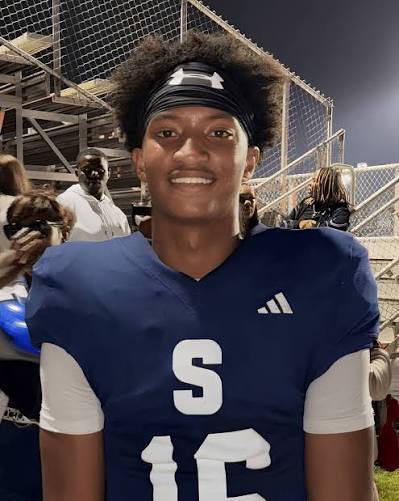
The Nolan Wells case gained national attention because it combined a missing teenager, a remote island mystery, and growing public demand for answers.
Wells disappeared after traveling with friends to Horn Island, a barrier island located off the Mississippi Gulf Coast. Authorities said the group went there on July 4 before Wells was later reported missing. His body was recovered two days later, and officials said investigators suspected drowning while continuing to examine the circumstances surrounding his death.
The case quickly attracted widespread attention because several questions remained unanswered. The timeline of Wells’ final hours, the events after his friends left the island, and the evidence collected by investigators became the focus of public discussion.
High-profile investigations often create intense public interest. Similar patterns have appeared in other cases across the United States, where families seek transparency while online communities attempt to fill gaps before official findings become available.
The challenge for investigators is separating meaningful information from speculation. In the Nolan Wells case, that challenge became more complicated as online discussions turned toward people connected to the investigation.
The public’s desire for answers is understandable, especially when a young person dies under unclear circumstances. However, criminal investigations depend on evidence, interviews, forensic testing, and legal procedures rather than public assumptions.
That distinction has become one of the defining issues surrounding the Nolan Wells case. The search for truth continues, but authorities must work through facts instead of theories.
The alleged threats against Judge Ashlee Cole reveal a dangerous escalation.
The federal charges against Joseph Alfredo Vasquez Dumarce introduced a second investigation that shifted attention from questions about Wells’ death to alleged threats against a judicial official.
According to a federal complaint, Dumarce allegedly contacted Judge Ashlee Cole through Facebook Messenger using an account investigators linked to him. The messages reportedly contained threats to send a bomb to her office and included detailed descriptions intended to create fear.
Investigators said the messages were sent shortly after Wells’ body was recovered. The complaint alleges that one message warned that a package would activate after being opened and threatened severe violence.
Dumarce has been charged with sending a threat to injure another person. The charge does not determine guilt, and prosecutors must prove their allegations through the federal court process.
The case demonstrates how digital communication can quickly become part of a criminal investigation. A message sent from one state to another can create federal jurisdiction when authorities believe it contains a serious threat.
The alleged threat also highlights the growing problem of online harassment connected to public controversies. Social media allows people to express frustration instantly, but investigators across the country have increasingly examined when online statements become criminal conduct.
For Judge Cole, the controversy emerged because of her son’s connection to the Wells investigation. Her role as a judge placed her in a difficult position as public attention focused on her family.
A judge’s family became caught between public suspicion and a search for answers.

The controversy surrounding Judge Ashlee Cole shows how families connected to major investigations can become targets even before authorities reach conclusions.
Cole has said her son, Warren Hudson, was among the individuals who traveled to Horn Island with Wells on July 4. She stated that Hudson left the island with others while Wells remained behind. She also said her son cooperated with investigators during interviews with the Jackson County Sheriff’s Department.
Cole has publicly expressed sympathy for the Wells family and said her own family wants answers about what happened. She has also argued that social media was not the appropriate place to release detailed information while the investigation remained active.
The situation reflects a broader challenge in modern criminal cases. Families connected to investigations often face intense public attention because online communities can quickly form opinions based on incomplete information.
Historically, major criminal cases have attracted public speculation. Before social media, rumors spread through newspapers, television coverage, and community discussions. Today, digital platforms can spread claims worldwide within minutes.
That speed creates pressure on investigators and families alike. A single post can influence public perception long before evidence reaches a courtroom.
The Nolan Wells case demonstrates the emotional conflict between public curiosity and legal responsibility. Communities want answers, but investigations require patience and accuracy.
The unanswered hours on Horn Island remain at the center of the investigation.
The most important part of the Nolan Wells case may still be the timeline between the last confirmed moments of his life and the discovery of his body.
Horn Island’s remote location has added complexity to the investigation. The island has limited infrastructure and presents challenges for communication, transportation, and emergency response.
Authorities have reviewed information from witnesses and evidence collected after Wells was found. Investigators have also examined digital information and other records that may help reconstruct what happened.
The exact sequence of events remains a major question. Investigators must determine where Wells was, who last saw him, and what circumstances led to his death.
The uncertainty has fueled public debate. When a case involves a young person and unanswered questions, communities often look for explanations quickly.
However, investigators face a difficult task. They must avoid reaching conclusions before all available evidence has been reviewed.
The investigation’s outcome will likely depend on details that are not yet public. Autopsy findings, toxicology results, witness accounts, and digital evidence may all contribute to a clearer picture.
The autopsy results could become the next major turning point.

The completed state autopsy represents one of the most important developments in the Nolan Wells case, but officials have not released the findings publicly.
Medical examinations play a central role in death investigations. Autopsy reports can provide information about injuries, medical conditions, and possible causes of death.
However, an autopsy is only one part of a larger investigation. Law enforcement agencies often combine medical findings with witness statements, technology records, environmental evidence, and other investigative materials.
Wells’ family also sought an independent examination. Their legal representatives said the private review did not establish a definitive cause or manner of death.
That uncertainty has contributed to continued questions from supporters and relatives. Many families involved in unresolved cases experience frustration when answers do not come quickly.
The release of official findings could influence the next phase of the investigation. Authorities may gain additional direction, while the public may better understand the evidence collected.
Until those results become public, many questions surrounding the Nolan Wells case remain open.
Social media transformed the search for answers into another battle.
The Nolan Wells case reflects a growing national debate about the role of online communities in criminal investigations.
Social media has changed how Americans follow major cases. Online platforms can help spread missing-person information, organize searches, and encourage witnesses to come forward.
At the same time, online discussions can create serious challenges. False claims, personal attacks, and accusations can spread faster than verified information.
Law enforcement agencies have increasingly warned about the dangers of internet investigations. While public tips can be valuable, investigators must verify information before treating it as evidence.
The alleged threats against Judge Cole represent one of the most serious consequences of online escalation. According to federal investigators, the situation moved beyond criticism and into alleged criminal behavior.
The broader lesson extends beyond Mississippi. Similar situations have occurred nationwide when internet users became deeply involved in unresolved cases.
Public interest can support accountability, but justice depends on facts. The strongest investigations are built through evidence rather than online pressure.
A federal prosecution now moves alongside the search for answers.

The Nolan Wells case now includes two separate legal paths that will determine very different outcomes.
The federal prosecution against Dumarce will focus on whether prosecutors can prove that threatening messages violated federal law. The investigation into Wells’ death will focus on determining what happened on Horn Island.
These cases are connected by public attention, but they involve different questions. One concerns alleged threats. The other concerns the death of a teenager.
Keeping those investigations separate remains important. Public frustration surrounding one issue cannot replace evidence needed to resolve another.
The criminal justice system depends on careful review, legal standards, and verified facts. While communities may demand immediate answers, investigators must build cases that can withstand scrutiny.
The Nolan Wells case continues to raise difficult questions about grief, technology, justice, and public responsibility. Behind every headline are families waiting for answers and officials working through evidence.
As investigators continue their work, the most important developments will come not from speculation but from confirmed findings. The search for truth in the Nolan Wells case remains unfinished, and the final answers will depend on what the evidence reveals.