Trump IRS Lawsuit Appeal Opens a Bigger Fight Over Presidential Power, Tax Protections and Government Accountability
The Trump IRS lawsuit appeal has moved far beyond a dispute over leaked tax records. What began as a fight over private financial information has become a defining legal battle over executive power, government independence and whether a president can use the machinery of his own administration while pursuing a personal claim against the government.
The appeal follows a federal judge’s decision to challenge the foundation of the lawsuit, questioning whether the case represented a genuine legal dispute or an attempt to use the court system to validate a settlement reached between President Donald Trump’s legal team and officials within his own administration.
The original conflict involved a serious breach of taxpayer privacy. A former IRS contractor admitted to illegally obtaining confidential tax records and releasing them to media organizations. The incident exposed weaknesses in the government’s handling of sensitive financial information and created a legitimate argument that a violation had occurred.
However, the controversy expanded after the lawsuit produced a settlement that included broad protections involving Trump, his family and related business interests, along with a proposed $1.8 billion Anti-Weaponization Fund. The agreement transformed a privacy lawsuit into a national debate about presidential influence, taxpayer money and the limits of executive authority.
The Trump IRS lawsuit appeal now places a fundamental question before the courts: when a president personally challenges government agencies under his control, can the legal process remain fully independent?
The Tax Leak That Started a Legal Storm

The story behind the Trump IRS lawsuit began with an illegal disclosure of confidential taxpayer information. Charles Littlejohn, a former IRS contractor, gained access to protected tax records while working with government data systems.
Federal prosecutors said Littlejohn stole sensitive financial information belonging to thousands of taxpayers between 2019 and 2020. The stolen records included information connected to Donald Trump and other high-profile individuals.
Littlejohn later pleaded guilty to unauthorized disclosure of taxpayer information. He received a five-year prison sentence for his actions, confirming that the breach was not a political accusation but a criminal violation established through federal proceedings.
Tax records occupy a unique position in American law because they reveal personal income, financial structures, business activity and other private details. The government has strict rules designed to prevent unauthorized access or disclosure.
For Trump’s legal team, the breach represented a failure by federal agencies to protect confidential information. They argued that the IRS and Treasury Department allowed sensitive records involving the president, his family and his companies to become public.
That argument became the foundation of the $10 billion lawsuit filed against the IRS and Treasury Department.
The case initially followed a familiar legal pattern. A person claims government negligence, argues that agencies failed in their responsibilities, and seeks compensation through the courts.
The unusual aspect emerged later. The person making those claims was not an ordinary citizen. He was also the president of the United States, the official responsible for overseeing the same agencies being sued.
A Lawsuit That Put the President on Both Sides of Government Power
The most significant issue in the Trump IRS lawsuit appeal is not only what happened to the tax records. It is the structure of the lawsuit itself.
The IRS operates under the Treasury Department. The Treasury Department and Justice Department both fall within the executive branch. The president appoints the officials who lead those institutions.
That relationship created a legal question rarely seen in American history. Can a president pursue a lawsuit against agencies that ultimately answer to him?
Judge Kathleen Williams focused heavily on this issue in her ruling. She argued that the case lacked the normal conflict expected in federal litigation because the plaintiff and the defendants existed within the same executive structure.
In traditional lawsuits, opposing parties usually have competing goals. One side seeks damages or relief while the other side attempts to defend itself.
Williams argued that the Trump IRS lawsuit did not follow that traditional model. She pointed to the government’s limited opposition during the case and concluded that the parties appeared aligned rather than adversarial.
The judge said the lawsuit was being used to achieve an outcome that would not normally come from a contested legal process.
Trump’s attorneys strongly rejected that interpretation. They argued that presidents do not lose their personal rights when they enter office.
They maintained that the government’s failure to protect confidential tax information created a legitimate injury and that Trump had every legal right to seek compensation.
The appeals court must now determine whether presidential authority changes the way courts should evaluate lawsuits involving executive agencies.
The Settlement That Turned a Privacy Case Into a National Controversy

Matthew G. Bisanz, CC BY-SA 3.0, via Wikimedia Commons
The direction of the Trump IRS lawsuit changed dramatically when Trump’s lawyers and Justice Department officials negotiated a settlement.
Instead of continuing through a lengthy court battle, both sides moved toward an agreement that attempted to resolve the dispute.
The settlement included recognition that confidential information had been improperly released. It also contained provisions involving Trump, members of his family and affiliated business entities.
However, the most controversial part involved the creation of an Anti-Weaponization Fund worth approximately $1.8 billion.
Supporters described the fund as an effort to compensate Americans who believed government agencies had been used unfairly against them. They argued that individuals harmed by government misconduct deserved a formal review process.
Critics raised concerns about the size of the fund, its source of taxpayer money, and the possibility that it could become a tool for rewarding political allies.
The debate intensified because the settlement involved a sitting president negotiating with officials inside his own administration.
The issue was no longer only about a stolen tax record. It became a broader discussion about whether executive power could influence government decisions involving the president personally.
The settlement created a political and legal challenge that extended well beyond the original lawsuit.
Why the Judge Questioned the Purpose Behind the Lawsuit
Judge Williams’ ruling centered on the argument that the court system requires genuine disputes between opposing parties.
She did not deny that the tax leak was serious. Instead, she questioned whether the lawsuit was being used for its intended legal purpose.
The judge argued that the case allowed Trump and government officials to create a settlement without the type of opposition normally expected in federal court.
According to the ruling, the Justice Department did not aggressively defend the government’s position before settlement negotiations began.
Williams viewed that lack of resistance as a sign that the lawsuit functioned differently from a normal legal conflict.
Her conclusion was that the court was being asked to provide legitimacy to an agreement created through political and executive negotiations rather than through traditional litigation.
The judge also criticized attorneys involved in the process and referred some matters for possible professional review.
Trump’s legal team argued that the ruling improperly expanded judicial authority. They said courts should respect settlements voluntarily reached by parties who have the legal ability to resolve disputes.
The appeal will examine whether judges can investigate the motivations behind settlements or whether their authority ends once parties agree to resolve a case.
The Anti-Weaponization Fund Created Pressure From Inside the Republican Party
The Trump IRS lawsuit appeal created an unusual political challenge because some resistance came from Republicans.
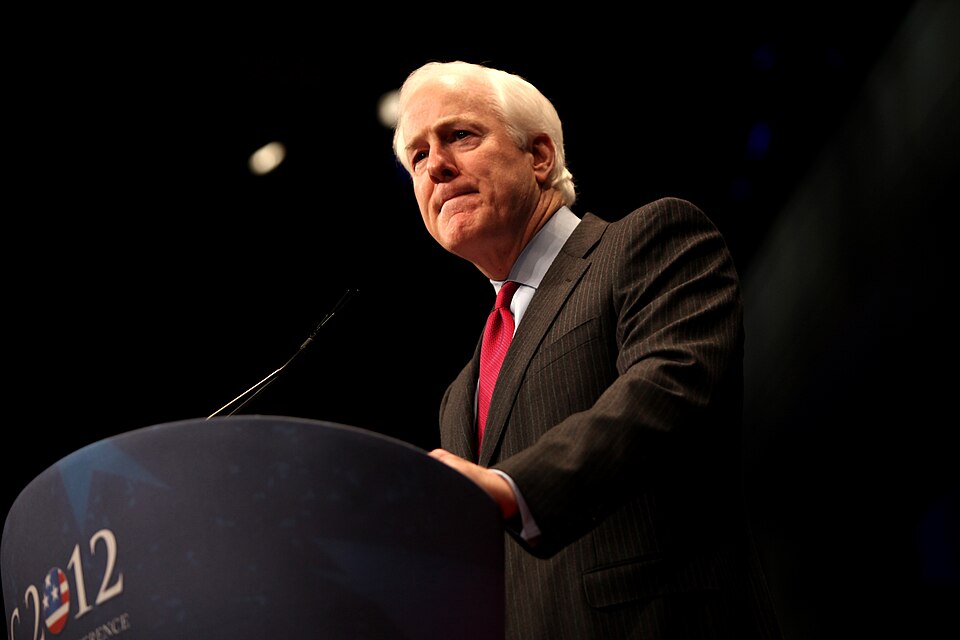
Senators John Cornyn of Texas and Thom Tillis of North Carolina raised concerns about the Anti-Weaponization Fund and parts of the settlement agreement.
Their objections focused on whether the Justice Department should support a program created through negotiations involving the president personally.
The dispute affected Todd Blanche’s nomination to become attorney general. Blanche, who previously represented Trump as a private attorney, played a central role in approving the settlement while serving as acting attorney general.
The senators wanted assurances that the fund would permanently end and that certain protections in the agreement would be reconsidered.
The disagreement revealed divisions within the Republican Party over how far presidential authority should extend.
Some Republicans have argued that government agencies have been unfairly used against conservatives in previous investigations. Others have expressed concerns about creating new government programs connected to a president’s personal legal interests.
The political conflict demonstrated how the Trump IRS lawsuit became connected to broader debates about accountability and institutional trust.
The Tax Protections May Become the Most Important Part of the Case
Although the Anti-Weaponization Fund attracted the most attention, the tax-related protections contained in the agreement may create the most lasting legal questions.
Critics argued that the settlement could limit the government’s ability to pursue certain claims involving Trump, his family and affiliated organizations.
The concern was not simply about one president. It involved the precedent such an agreement could create for future administrations.
If presidents can negotiate settlements with executive agencies that restrict investigations or enforcement actions, future leaders could attempt similar arrangements.
Supporters of the agreement argue that Trump was responding to a real violation. They believe victims of unlawful government disclosures deserve protection regardless of who they are.
The opposing argument is that presidential power requires additional safeguards when personal interests overlap with official responsibilities.
American history contains repeated examples of presidents facing questions about conflicts between private interests and public duties.
The Trump IRS lawsuit appeal now places those concerns directly before the courts.
The Justice Department Faces a Test of Independence
The dispute has also renewed a longstanding debate about the Justice Department’s independence.
Presidents appoint attorneys general and influence executive agencies. At the same time, the Justice Department has traditionally operated with a degree of independence when handling politically sensitive matters.
The Trump IRS lawsuit highlights the difficulty of maintaining that independence when the president becomes personally involved.
Supporters of Trump argue that the Justice Department was simply addressing a legitimate legal claim brought by a president whose private information was unlawfully exposed.
Critics argue that government lawyers must maintain distance when negotiating matters that could directly benefit the president.
The issue reflects a broader question about the balance between democratic accountability and executive control.
Presidents are elected leaders with authority over the executive branch. But government institutions must also maintain credibility among citizens who expect equal treatment under the law.
The appeal could provide guidance on how future administrations handle similar conflicts.
A Court Decision That Could Shape Future Presidencies

The Trump IRS lawsuit appeal could influence more than one administration and more than one legal dispute.
A ruling supporting Trump could strengthen presidents’ ability to pursue legal claims against government agencies while serving in office.
A ruling supporting Judge Williams could establish stronger limits on presidential involvement in cases where executive authority and personal interests overlap.
The case represents a rare collision between private rights and public responsibilities.
The original violation involved stolen tax information and an unlawful disclosure. The later controversy involved how the government responded and whether that response crossed legal boundaries.
At its core, the Trump IRS lawsuit appeal asks how American institutions should respond when the nation’s most powerful official becomes a private litigant.
The answer will not only determine the future of this case. It could influence how courts, presidents and government agencies navigate similar conflicts for years to come.
A democracy depends on protecting individual rights while ensuring that public power remains accountable. The outcome of this appeal will show where the courts believe that balance should be drawn.