WestJet Strike Leaves Thousands in Limbo as Canada’s Air Travel System Faces a Major Test
The WestJet strike has transformed a contract dispute between an airline and its flight attendants into a nationwide travel disruption affecting thousands of passengers, businesses, and communities. What began as a disagreement over compensation and working conditions quickly became a reminder of how fragile modern air travel can become when negotiations collapse.
For many Canadians, the disruption arrived at the worst possible moment. Summer travel represents months of planning, savings, family coordination, and personal milestones. A canceled flight is not simply a change in schedule. It can mean missed vacations, delayed reunions, lost business opportunities, and unexpected financial pressure.
WestJet began canceling flights before the potential work stoppage as the airline attempted to reduce operational risks across its network. The company said the decision was designed to avoid leaving passengers and aircraft stranded if flight attendants walked off the job.
As the WestJet strike continues to affect operations, the dispute has grown into a larger conversation about airline reliability, worker compensation, passenger protection, and the future of Canada’s aviation industry.
A Travel Disruption That Arrived During Canada’s Busiest Season
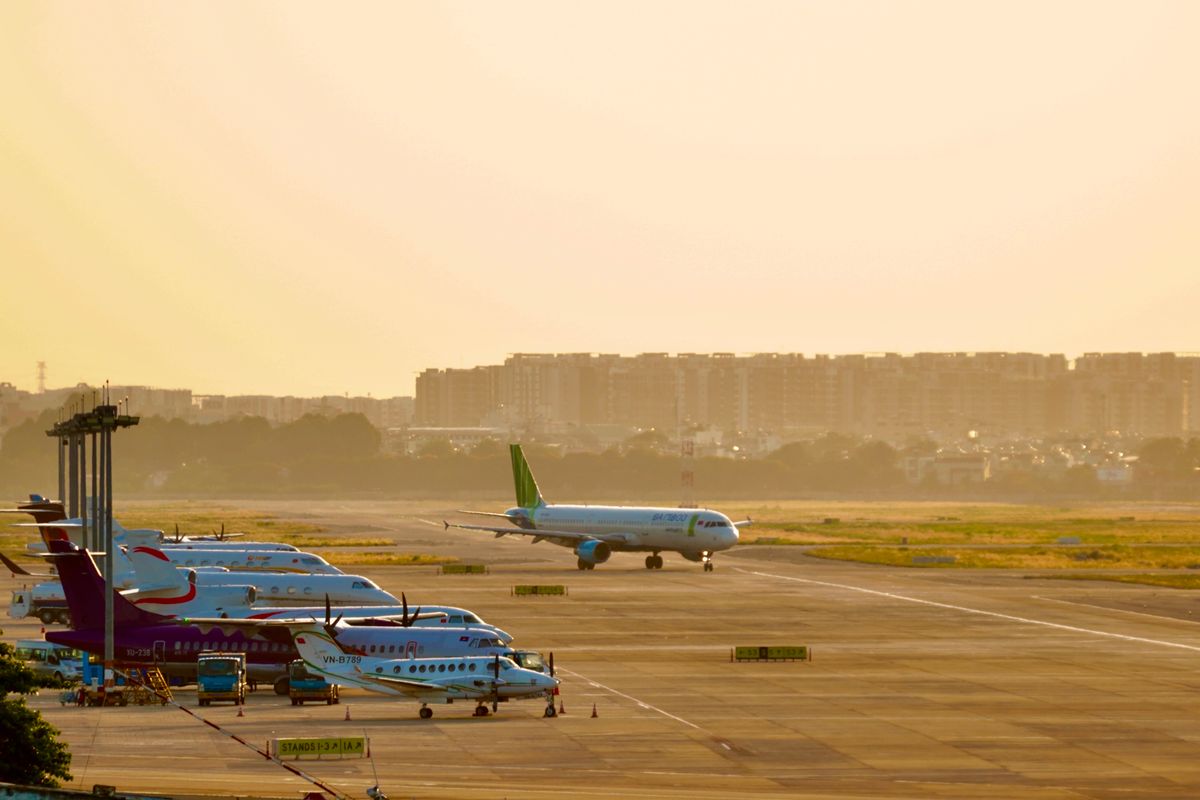
The timing of the WestJet strike has intensified its impact. Summer is one of the busiest travel periods in Canada, with families heading on vacations, students returning home, and international visitors arriving for tourism and business.
Airports across the country operate under heavy demand during this period. Flights are often scheduled close together, aircraft rotate between multiple cities, and even small disruptions can create wider delays throughout the network.
For passengers, the uncertainty has become one of the most frustrating parts of the disruption. Many travelers are not only dealing with cancellations but also trying to understand whether their replacement options will be available before important commitments are missed.
A family traveling for a long-planned holiday may face limited alternatives when hundreds of seats disappear from the market. A passenger attending a wedding or medical appointment may not have the flexibility to simply wait for another available flight.
The emotional cost of airline disruptions is often difficult to measure. While airlines calculate cancellations through schedules and numbers, passengers experience them through missed moments that cannot always be recovered.
The WestJet strike has therefore become more than an operational issue. It has become a personal challenge for thousands of people who rely on predictable air travel.
Behind the WestJet Strike: A Dispute Over Time, Pay and Recognition
At the center of the WestJet strike is a disagreement between the airline and approximately 4,400 flight attendants represented by the Canadian Union of Public Employees.
The main conflict involves compensation for duties performed outside the time an aircraft is physically in the air. Flight attendants argue that their responsibilities begin before departure and continue after landing.
Their work includes preparing aircraft cabins, completing safety checks, assisting passengers during boarding, managing delays, and responding to unexpected situations on the ground.
The union has argued that traditional airline compensation structures do not fully reflect the reality of modern aviation. Flight delays, longer boarding processes, and operational challenges have increased the amount of time employees spend performing required duties.
WestJet has maintained that its proposal addressed important concerns raised by flight attendants. The airline said its offer included improved compensation measures and changes designed to strengthen the overall agreement.
However, the two sides reached a point where negotiations failed to produce a settlement. The result was a labor dispute that shifted from conference rooms to airports across Canada.
The disagreement reflects a broader discussion happening throughout the aviation sector. As airlines evolve, employees and companies continue debating how work should be measured and valued.
Why One Airline Dispute Can Create Nationwide Chaos
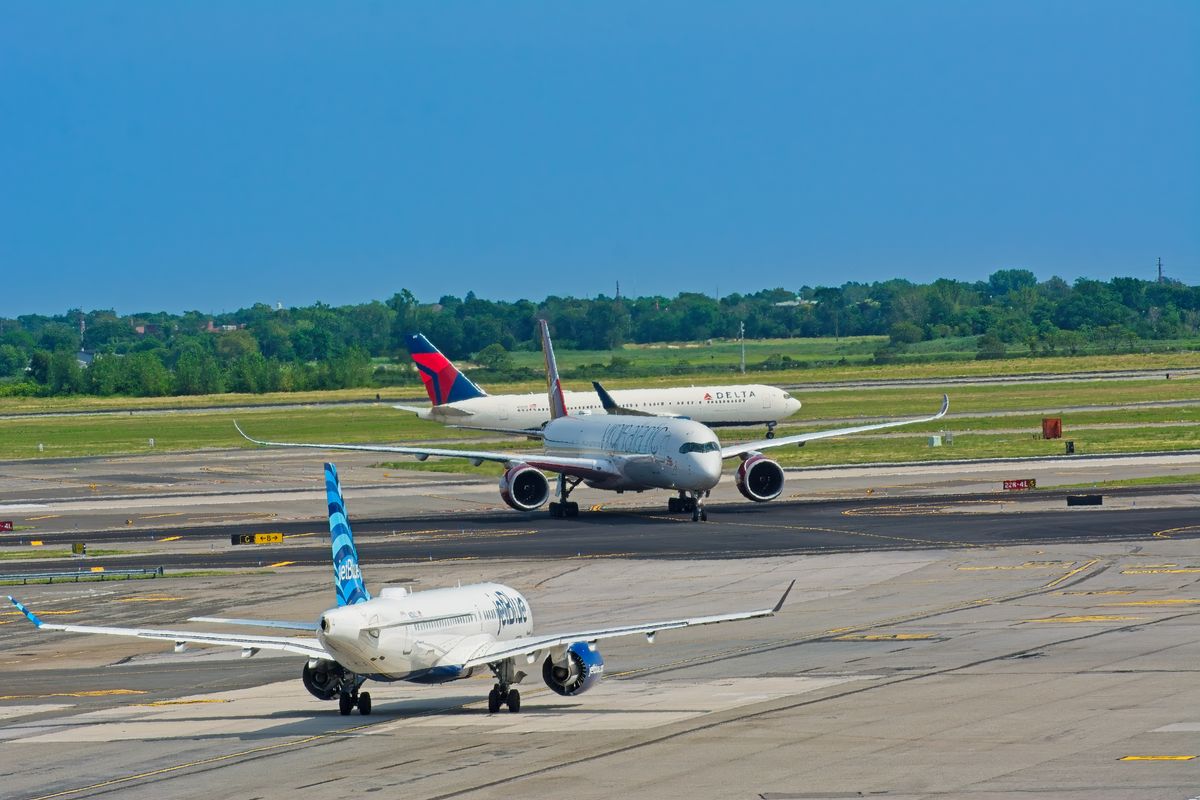
The WestJet strike demonstrates how interconnected modern airline operations have become. A major airline network functions like a complex system where aircraft, employees, airports, and passengers depend on each other.
A single aircraft may complete several flights in one day. When one route is canceled, the aircraft may not reach its next destination, creating additional disruptions later.
Crew scheduling creates another layer of complexity. Pilots and flight attendants must follow strict safety regulations regarding working hours and rest periods.
When operations are interrupted, airlines must carefully rebuild schedules while ensuring that safety standards remain the priority.
This explains why restarting an airline network after a strike can take time. Even when negotiations succeed, aircraft must be repositioned, crews must be assigned, and passengers must be placed onto available flights.
The WestJet strike highlights a challenge facing many global airlines. Efficiency allows carriers to operate more flights with fewer resources, but tightly connected systems can become vulnerable when unexpected disruptions occur.
Passengers Pay the Price for a Conflict They Did Not Create
One of the most significant consequences of the WestJet strike is that passengers have become the most visible group affected by a dispute they did not cause.
Travelers are not involved in contract negotiations, yet they experience the immediate consequences. They must search for alternatives, contact customer service, and make difficult decisions about whether to continue with their plans.
For some passengers, finding another flight may mean paying significantly higher prices with another airline. Others may have to cancel trips entirely because replacement options do not fit their schedules.
The financial pressure can be especially difficult for families. Travel costs already include accommodation, transportation, food, and activities. A canceled flight can create additional expenses that were never included in the original budget.
Business travelers face different challenges. Missed meetings, delayed projects, and lost opportunities can create consequences that extend beyond the airport.
The WestJet strike shows how airline labor disputes affect more than transportation. They influence personal plans, business decisions, and public confidence in the reliability of air travel.
The Reputation Challenge Facing WestJet
The WestJet strike also creates a significant challenge for the airline’s relationship with passengers.
Airlines compete not only on ticket prices but also on trust. Travelers want confidence that their airline will operate reliably when they need to reach important destinations.
A major disruption during peak travel season can influence how customers view an airline’s dependability.
For frequent travelers, reliability often becomes more important than small price differences. A passenger who experiences repeated uncertainty may reconsider future bookings.
WestJet has built its reputation as one of Canada’s largest airlines. Managing the current disruption effectively will be important in maintaining customer confidence.
The company now faces two responsibilities. It must resolve the labor dispute while also rebuilding trust among passengers who experienced cancellations and uncertainty.
The WestJet strike demonstrates that airline reputation is built over years but can be tested during moments of crisis.
Economic Effects Extend Beyond Airport Terminals
The impact of the WestJet strike reaches far beyond passengers waiting at departure gates.
Canada’s tourism industry depends heavily on reliable air transportation. Hotels, restaurants, rental car companies, attractions, and local businesses all depend on visitors arriving as planned.
When flights are canceled, tourism operators may lose revenue from customers who cannot reach their destinations.
Small businesses can be particularly vulnerable. A missed group booking, canceled event, or delayed conference can create financial challenges for companies that rely on seasonal visitors.
The aviation industry also supports thousands of jobs beyond airline employees. Airport workers, hospitality employees, transportation providers, and service businesses all feel the effects when passenger movement slows.
The WestJet strike therefore represents more than an airline problem. It demonstrates how closely connected transportation networks are to the wider economy.
A disruption in the skies can quickly influence businesses on the ground.
Canada’s Aviation Industry Faces Bigger Questions

The WestJet strike has raised broader questions about the future of Canadian aviation.
Air travel has changed significantly over recent decades. Airlines now operate in an environment shaped by rising passenger demand, increasing operational complexity, and pressure to control costs.
At the same time, aviation workers argue that changing industry conditions require updated approaches to compensation and workplace standards.
The debate between efficiency and employee expectations is not unique to WestJet. Similar discussions have occurred across airlines worldwide as workers seek improved recognition for their contributions.
Historical examples show that airline labor disputes can reshape entire industries. Strikes involving pilots, mechanics, and cabin crews have often influenced future agreements and operational practices.
The current WestJet strike could become part of that larger conversation about how airlines balance profitability, passenger service, and employee needs.
The Long Road Back After a Settlement
Even if WestJet and flight attendants reach an agreement, returning to normal operations will require careful planning.
Airlines cannot instantly restore every canceled flight. Aircraft must return to scheduled routes, crews must be assigned, and passengers affected by cancellations must be accommodated.
The recovery period can create additional frustration because passengers may expect immediate improvements once a deal is announced.
However, airline networks operate through complex systems that require coordination.
Passengers should continue monitoring flight updates even after negotiations progress. A settlement may end the labor dispute, but restoring the full schedule may take additional time.
The WestJet strike has demonstrated how quickly normal travel routines can change when a major airline faces operational challenges.
What the WestJet Strike Reveals About Modern Air Travel
The WestJet strike has become a significant moment for Canada’s aviation industry because it exposes challenges that extend beyond one company.
It highlights the importance of reliable transportation systems, the changing nature of airline work, and the difficult balance between business operations and employee expectations.
For passengers, the experience has reinforced an uncomfortable reality: modern travel depends on thousands of people working together behind the scenes.
Flight attendants, pilots, maintenance teams, airport workers, and customer service employees all play essential roles in keeping the aviation system moving.
The dispute between WestJet and its flight attendants will eventually be resolved through negotiation. However, the questions raised by the WestJet strike will remain.
How should airline workers be compensated in an industry where delays and ground responsibilities continue to grow? How can airlines protect passengers when labor disputes threaten major disruptions? And how can Canada build an aviation system that is both efficient and resilient?
The answers will shape not only WestJet’s future but also the future experience of every passenger who steps onto a Canadian aircraft.