ExxonMobil’s Record Profits Won’t Mean Cheaper Gas Anytime Soon As Refinery Crisis Keeps Pump Prices High
Millions of American drivers have been waiting for a break every time they pull into a gas station, expecting lower crude oil prices to eventually translate into cheaper fuel. Instead, many are seeing a frustrating reality: ExxonMobil is reporting massive profits while gasoline prices remain stubbornly high, leaving consumers questioning why relief has not arrived. The answer lies in a complicated energy system where crude oil is only one piece of the price puzzle.
ExxonMobil CEO Darren Woods recently warned consumers not to expect quick savings at the pump, explaining that refinery limitations, global disruptions and supply chain challenges are keeping fuel markets under pressure. The situation has created a growing divide between energy companies benefiting from strong market conditions and households still struggling with higher transportation costs.
ExxonMobil’s Profits Surge While Drivers Continue Paying Higher Fuel Costs

ExxonMobil delivered a powerful second-quarter performance, with profits more than doubling as the company benefited from strong production and unusually favorable refining conditions. The company reported major gains from its refining business, which benefited from wider margins as global fuel supplies remained tight. The results placed Exxon among the energy companies benefiting most from the current market environment.
The strong earnings have created a difficult conversation for consumers who expected lower gasoline prices after crude oil prices declined from earlier highs. Many drivers assume that cheaper oil should quickly reduce fuel costs, but gasoline prices depend on several stages between production and the pump. Refining, transportation, taxes and regional supply conditions all influence the final price paid by consumers.
The contrast between Exxon’s financial success and household frustration has become one of the biggest stories in the energy market. While the company argues that profits allow continued investment and future supply growth, many consumers see record earnings as a reminder that lower costs are not reaching them quickly enough.
The Hidden Refinery Problem Keeping Gas Prices Higher Than Expected
The biggest reason gasoline prices have not fallen as quickly as many expected is the shortage of available refining capacity. Crude oil must first be processed into gasoline, diesel, and other fuels before reaching consumers, meaning a decline in oil prices does not automatically create cheaper fuel. When refineries cannot process enough crude into finished products, gasoline prices can remain elevated even when oil markets improve.
ExxonMobil CEO Darren Woods described this situation as a disconnect between crude prices and what consumers see at the pump. He explained that refinery constraints have become a major factor affecting gasoline costs, with limited capacity creating stronger margins for companies that can keep facilities operating. The result is a market where refiners benefit while drivers continue waiting for relief.
The refinery challenge is not something that can be solved overnight. Building new facilities requires years of planning, billions of dollars in investment, and extensive regulatory approvals, while existing refineries need regular maintenance and upgrades. Until more capacity becomes available, fuel markets may remain vulnerable to supply disruptions.
Why Falling Oil Prices Do Not Immediately Lower Gasoline Prices
Many drivers expect gasoline prices to move in direct response to crude oil markets, but the relationship is more complicated. Crude oil represents only one part of the overall cost structure behind gasoline, while refining expenses, distribution networks, and market conditions also influence prices. This explains why consumers can see oil prices decline while fuel prices remain high.
The delay between crude oil changes and pump prices is common throughout the energy industry. Gasoline sold today was often produced from crude purchased earlier, meaning changes in global oil markets can take time to move through the supply chain. Regional differences can also affect prices, with some areas experiencing faster changes than others.
For consumers, this creates a frustrating experience because headlines about lower oil prices do not always match what they see during everyday life. The gap between financial market trends and household expenses has become a major source of confusion and frustration among drivers.
Global Conflicts Are Creating New Pressure Across The Energy Market
Geopolitical instability has added another layer of uncertainty to global energy markets. Disruptions involving major oil-producing regions and important shipping routes have affected how quickly energy supplies can move around the world. The Strait of Hormuz, a critical pathway for global oil and natural gas shipments, remains one of the most closely watched areas because disruptions there can influence prices worldwide. Even after conflicts ease, energy markets do not immediately return to normal.
Shipping companies, producers and refiners often need time to rebuild confidence and restore regular operations. Analysts have warned that stabilizing global energy flows can take months after a major disruption because companies must gradually adjust supply chains. These challenges have contributed to the current gap between crude oil prices and gasoline costs. While the raw material market may improve, the infrastructure needed to transform oil into fuel remains under pressure.
Exxon’s Refining Business Shows Why Energy Companies Are Benefiting
ExxonMobil’s latest earnings highlight the importance of refining capacity in today’s market. The company’s refining division generated approximately $5.5 billion during the second quarter after experiencing losses earlier in the year. The dramatic improvement reflected unusually strong refining margins caused by limited global fuel supply. The company also reported record production levels, including strong output from the Permian Basin and its highest overall upstream production in more than two decades.
Those results demonstrate how Exxon has benefited from both increased production and favorable refining conditions. However, the same market conditions that help energy companies can create challenges for consumers. When refining capacity is limited and demand remains steady, companies operating successful refineries can earn significantly higher returns while drivers continue facing expensive fuel.
Higher Gas Prices Are Affecting More Than Just Drivers
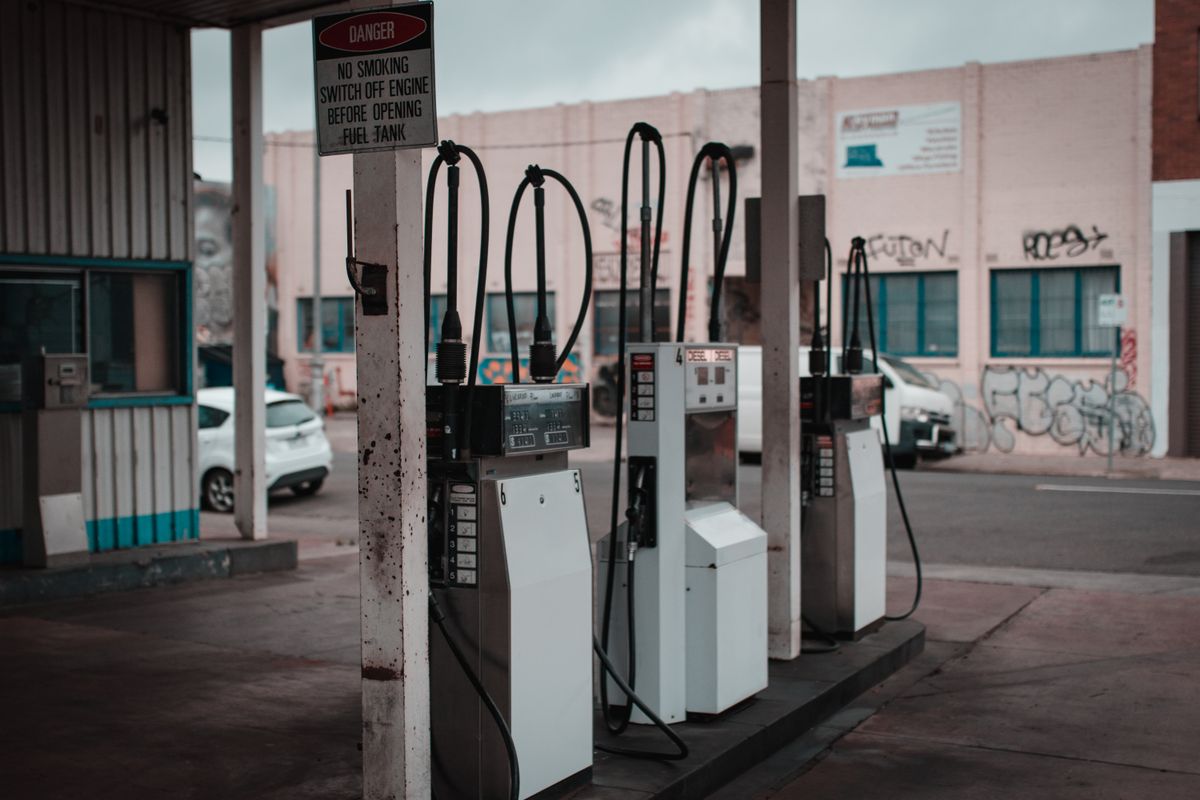
The impact of expensive gasoline extends beyond personal vehicles. Higher fuel costs affect truck drivers, delivery companies, farmers, businesses, and families who depend on transportation every day. When energy expenses rise, those costs can eventually influence the prices of goods and services across the economy. For commuters, higher gas prices can create a direct strain on household budgets.
Families with long drives to work, school, or essential services often feel the impact immediately when fuel costs increase. The pressure becomes especially noticeable for people who have limited alternatives to driving. The energy market therefore affects more than what consumers pay at the pump. Fuel costs influence the broader economy, shaping transportation expenses, business decisions, and everyday financial choices for millions of Americans.
Why Oil Companies Cannot Quickly Change the Market
Although ExxonMobil and other major energy companies have enormous resources, they cannot instantly reshape global fuel markets. Oil production decisions require long-term planning, while refinery expansion involves major financial commitments and years of development. Companies must also respond to changing demand, regulations and geopolitical conditions. Energy executives argue that strong profits allow companies to invest in future production and maintain reliable supply.
They say global market forces, rather than individual companies alone, determine gasoline prices. The industry maintains that companies cannot simply reduce prices without addressing the larger supply chain challenges affecting fuel markets. Critics, however, continue questioning whether consumers are receiving enough benefit during periods of record energy profits. The debate reflects a broader disagreement over how much responsibility oil companies should have when households face high fuel costs.
What Drivers Should Watch Before Expecting Cheaper Gas
A significant drop in gasoline prices will likely depend on several factors improving at the same time. Global conflicts must stabilize, refinery capacity must recover, and supply chains must become more predictable before consumers are likely to see major relief. A single improvement in one area may not be enough to change prices quickly. Energy analysts will continue watching refinery operations, crude oil markets and global shipping conditions for signs of improvement.
If supply constraints ease, gasoline prices could eventually decline, but the process may take longer than many drivers expect. The energy market often moves slower than public frustration demands. For now, ExxonMobil’s message to consumers is clear: cheaper crude oil does not automatically mean cheaper gasoline. Until the deeper refinery and supply challenges are resolved, drivers may continue facing a frustrating gap between energy headlines and the prices they see at the pump.
Global Energy Market Pressure Timeline
ExxonMobil’s record profits have exposed one of the biggest misunderstandings about gasoline prices: the cost of fuel is shaped by an entire global system, not just the price of crude oil. While energy companies continue benefiting from strong market conditions, millions of drivers are still waiting for those gains to reach their wallets.
The path toward cheaper gasoline will depend on whether the world’s energy infrastructure can recover from current pressures. Until refinery bottlenecks, supply disruptions and market uncertainty ease, the gap between oil profits and consumer costs is likely to remain one of the biggest energy stories facing Americans.