US Military Searches for New Iran Strategies as Conflict Reveals the Limits of American Power
The United States has some of the most advanced weapons in human history, yet its latest confrontation with Iran has exposed a difficult reality: military dominance does not always translate into political victory.
The US military strategy in Iran has entered a critical and uncertain phase as commanders search for new ways to pressure Tehran while avoiding a conflict that could expand beyond control. The unusual request for “creative and unconventional” ideas from military analysts has revealed a deeper problem inside Washington’s approach: traditional tools of warfare may no longer be enough to achieve the goals set by political leaders.
For weeks, American forces have relied on airstrikes, intelligence operations, and regional military deployments designed to weaken Iran’s capabilities and push its leadership toward negotiations. Yet the expected breakthrough has not arrived. Iran has continued to resist pressure, creating frustration among officials who hoped military strength would force a faster change in behavior.
The debate surrounding the US military Iran strategy is becoming less about whether America can strike Iran and more about whether those strikes can produce a lasting result. History has repeatedly shown that powerful militaries can win individual battles while struggling to achieve broader political objectives.
The current situation places Washington in a difficult position. Escalating military action could create new risks, while reducing pressure could be viewed as a sign of weakness. Between those two choices lies a dangerous middle ground where limited strikes continue without producing a clear resolution.
The Unusual Search for New Ideas Reveals a Strategy Under Pressure

The request for unconventional approaches from U.S. Central Command analysts has attracted attention because it reflects an unusual moment in the conflict. Military organizations constantly review operations and develop contingency plans, but openly seeking new ideas from a broad group of personnel highlights the complexity of the current challenge.
Officials familiar with the discussions said military analysts were encouraged to consider different ways to increase pressure on Iran. The goal was not simply to identify more targets but to explore methods that could influence Iranian decision-making without automatically leading to a wider war.
The request suggests that commanders understand the limitations of existing approaches. Airstrikes can damage military infrastructure, eliminate specific threats, and demonstrate American capability. However, they do not always change another country’s political calculations.
That problem has appeared throughout modern military history. The United States has repeatedly discovered that technological superiority does not guarantee strategic success. Conflicts in Vietnam, Iraq, and Afghanistan demonstrated that military victories can become complicated when political objectives are unclear or difficult to achieve.
The current U.S. military strategy toward Iran faces a similar challenge. The United States can launch powerful attacks, but the larger question is what happens afterward.
Military planners must consider whether every strike moves the conflict closer to a solution or simply creates another reason for retaliation. A strategy built around pressure must eventually answer a fundamental question: pressure toward what final outcome?
America’s Military Strength Faces an Opponent Built to Endure Pressure
The United States remains the world’s most powerful military force, with advanced aircraft, naval capabilities, satellite intelligence, and precision weapons. Few countries can match America’s ability to operate across long distances and strike targets with speed.
However, Iran represents a different type of challenge. Tehran has spent decades developing methods to survive external pressure. The country has built military networks, strengthened regional partnerships, and created systems designed to function even under severe economic and political restrictions.
This resilience complicates the U.S. military strategy against Iran because the conflict is not simply a contest between weapons. It is also a contest between endurance, political will, and strategic patience.
Iran has experienced years of sanctions aimed at weakening its economy and limiting its military development. Despite those restrictions, the government has continued to pursue its regional objectives and maintain influence across the Middle East.
For American officials, this creates a difficult calculation. Increasing pressure may damage Iran’s capabilities, but it may not necessarily force Tehran to change its broader strategy.
The conflict demonstrates a major reality of modern warfare: destroying physical assets is often easier than changing political decisions.
A country can lose equipment, infrastructure, and military personnel while still maintaining its willingness to continue fighting. This is one reason the current U.S. military strategy toward Iran has become increasingly complicated.
The Limits of Air Power Create a Dangerous Strategic Puzzle
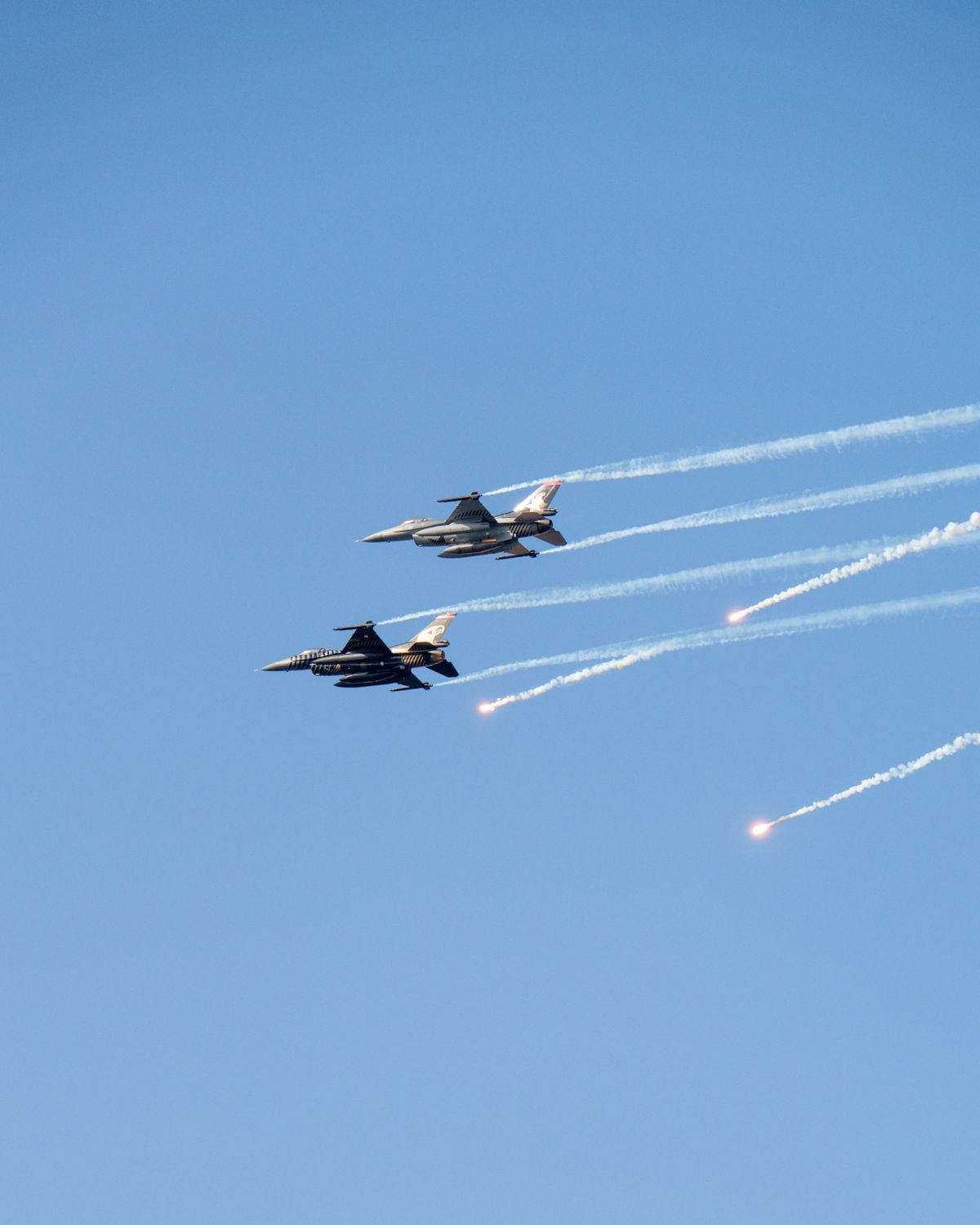
Air power has been central to American military operations against Iran. The United States has used advanced aircraft and precision weapons to target locations connected to Iran’s military capabilities.
The advantage of air power is clear. It allows the United States to strike from a distance without immediately exposing large numbers of troops to battlefield risks.
However, air campaigns have historical limitations. Bombing can weaken an opponent, but it rarely guarantees political surrender or long-term agreement.
The challenge becomes even greater when targets are protected, dispersed, or located underground. Iran has invested in facilities designed to survive attacks, creating significant obstacles for military planners.
The US military Iran strategy must therefore confront a difficult reality. Even the most advanced weapons may not eliminate every threat or produce the desired political outcome.
Military leaders understand that destroying a facility does not automatically destroy the knowledge, networks, and motivations behind a country’s programs.
This problem has appeared in previous conflicts. During the Gulf War, coalition forces destroyed large amounts of Iraqi military infrastructure, but the broader political consequences continued for years. Similar challenges emerged in later conflicts where military victories did not immediately create stability.
Iran presents a comparable dilemma. A successful strike may create temporary damage, but Washington must consider whether that damage changes Tehran’s long-term behavior.
Iran’s Underground Facilities Create One of the Biggest Military Challenges
Among the most difficult issues facing American planners are Iran’s hardened underground facilities. These locations create a unique challenge because they reduce the effectiveness of conventional military operations.
The problem is not simply finding targets. Modern intelligence systems can identify many important locations. The greater challenge is determining whether an attack can create lasting results.
Deeply protected facilities may require specialized weapons and extensive planning. Even then, officials must consider whether destruction would be complete or temporary.
This uncertainty creates tension within discussions about escalation. If airstrikes cannot achieve the desired effect, some officials may argue for stronger action. Yet stronger action also introduces greater risks.
A larger military operation could require American forces to move closer to the battlefield. That possibility raises concerns about casualties, regional instability, and the possibility of a much longer conflict.
The underground nature of Iran’s capabilities represents more than a technical military problem. It symbolizes the broader challenge facing the US military Iran strategy.
America can strike Iran, but the ability to strike does not always equal the ability to solve the underlying problem.
The Fear of Another Forever War Shapes America’s Next Move
The possibility of another prolonged conflict remains one of the biggest concerns surrounding the confrontation with Iran.
The United States spent two decades fighting in Afghanistan and experienced years of instability following the Iraq invasion. Those conflicts shaped public opinion and influenced political promises to avoid future wars without clear objectives. The current U.S. military strategy toward Iran is being developed in that shadow.
American leaders want to demonstrate strength while avoiding a conflict that becomes another open-ended military commitment.
This creates a difficult balancing act. If Washington responds too cautiously, critics may argue that it has failed to protect American interests. If it escalates too aggressively, opponents may warn that the country is entering another costly war.
The danger of prolonged conflict is not always visible at the beginning. Many wars start with limited goals before expanding because of unexpected events, political pressure, or retaliation.
A confrontation with Iran could follow a similar path. A single strike could lead to a response. That response could create pressure for another American action.
Over time, leaders may find themselves managing a conflict that has grown beyond its original purpose.
The Strait of Hormuz Makes the Conflict a Global Concern

The Iran conflict is not limited to military calculations. It also carries enormous economic consequences because of the importance of the Strait of Hormuz.
The narrow waterway connects major energy producers with global markets. Any disruption could affect oil shipments, transportation costs, and economic confidence worldwide.
For businesses and governments, uncertainty itself can create problems. Markets often react not only to actual disruptions but also to fears about what could happen next.
The US military strategy for Iran must therefore consider consequences beyond the battlefield.
A larger conflict could affect American allies, global energy consumers, and international trade networks. The economic impact could extend far beyond countries directly involved.
Previous Middle East conflicts have demonstrated how quickly regional instability can become a global economic issue.
This adds another layer of complexity for Washington. Military leaders must consider not only whether an operation can succeed but also what economic consequences may follow.
A strategy that weakens Iran militarily but creates widespread instability could produce new challenges for the United States and its partners.
Symbolic Strikes Risk Creating Short-Term Victories Without Long-Term Results
Another concern surrounding military escalation is the possibility of actions designed mainly to demonstrate strength. A major strike can create a powerful political message. It can reassure allies, demonstrate capability, and show determination.
However, symbolic victories do not always create strategic victories. The U.S. military strategy in Iran depends on achieving meaningful outcomes, not simply producing dramatic moments.
A strike that generates headlines but fails to change Iran’s behavior may create pressure for additional actions later.
This creates a dangerous cycle. Leaders may feel compelled to respond to political expectations, even when the strategic benefits are uncertain.
Military history contains many examples where powerful operations achieved immediate success but failed to resolve the larger conflict.
The challenge for Washington is ensuring that every military decision supports a clear long-term objective.
Without that clarity, even successful operations can become part of a conflict that continues without resolution.
Diplomacy Remains the Difficult Alternative to Escalation

While military options remain under discussion, diplomacy continues to represent another possible path.
Negotiations with Iran have historically been difficult because of deep disagreements over security, nuclear programs, regional influence, and political trust.
Supporters of diplomacy argue that military pressure alone may not solve the underlying disputes. Critics argue that negotiations without sufficient pressure may allow Iran to strengthen its position. This divide has shaped American policy for years.
The U.S. military strategy for Iran exists within that broader debate. Military force may create leverage, but diplomacy often determines whether conflicts ultimately end.
The challenge for policymakers is finding a balance between demonstrating strength and creating opportunities for agreement.
Too much pressure can close diplomatic options. Too little pressure can reduce negotiating power. Finding that balance remains one of the hardest decisions facing Washington.
The Search for New Strategies Shows Warfare Is Changing
The debate over the U.S. military strategy in Iran reflects a larger transformation in modern conflict.
Today’s wars are not determined only by battlefield victories. They are shaped by economics, technology, information, alliances, and political endurance.
The United States remains capable of projecting enormous military power, but conflicts with determined opponents require more than advanced weapons. Iran demonstrates the difficulty of confronting a country that combines military capability with political resilience.
The search for unconventional ideas shows that American officials understand the challenge. They are not simply looking for stronger weapons. They are searching for a strategy that can achieve political goals without creating unacceptable risks.
The future of the Iran conflict may depend on whether Washington can find that balance.
The central question is no longer whether the United States can strike Iran. It is whether those strikes can produce a stable outcome or whether they risk creating another conflict defined by uncertainty, escalation, and years of unresolved tension.
As military leaders search for new answers, the greatest challenge may be accepting that power alone cannot guarantee victory. In modern conflicts, the hardest battles are often not about destroying an opponent’s capabilities. They are about creating a future where force is no longer necessary.