The forgotten 2020 Thanksgiving debate that came back to challenge Francesca Hong
A deleted social media post from the height of the COVID-19 pandemic has pulled Wisconsin lawmaker Francesca Hong into a national debate over tradition, history, and the power of old online statements.
What started as a conversation about Thanksgiving during an unprecedented public health crisis has now become a broader argument about how America handles uncomfortable parts of its past and whether public officials should be judged by words written during moments of national uncertainty.
The controversy surrounding Hong is not only about one holiday. It reflects a much larger battle taking place across the country over cultural traditions, historical memory, and the growing influence of social media archives.
A 2020 Thanksgiving message returns years later.
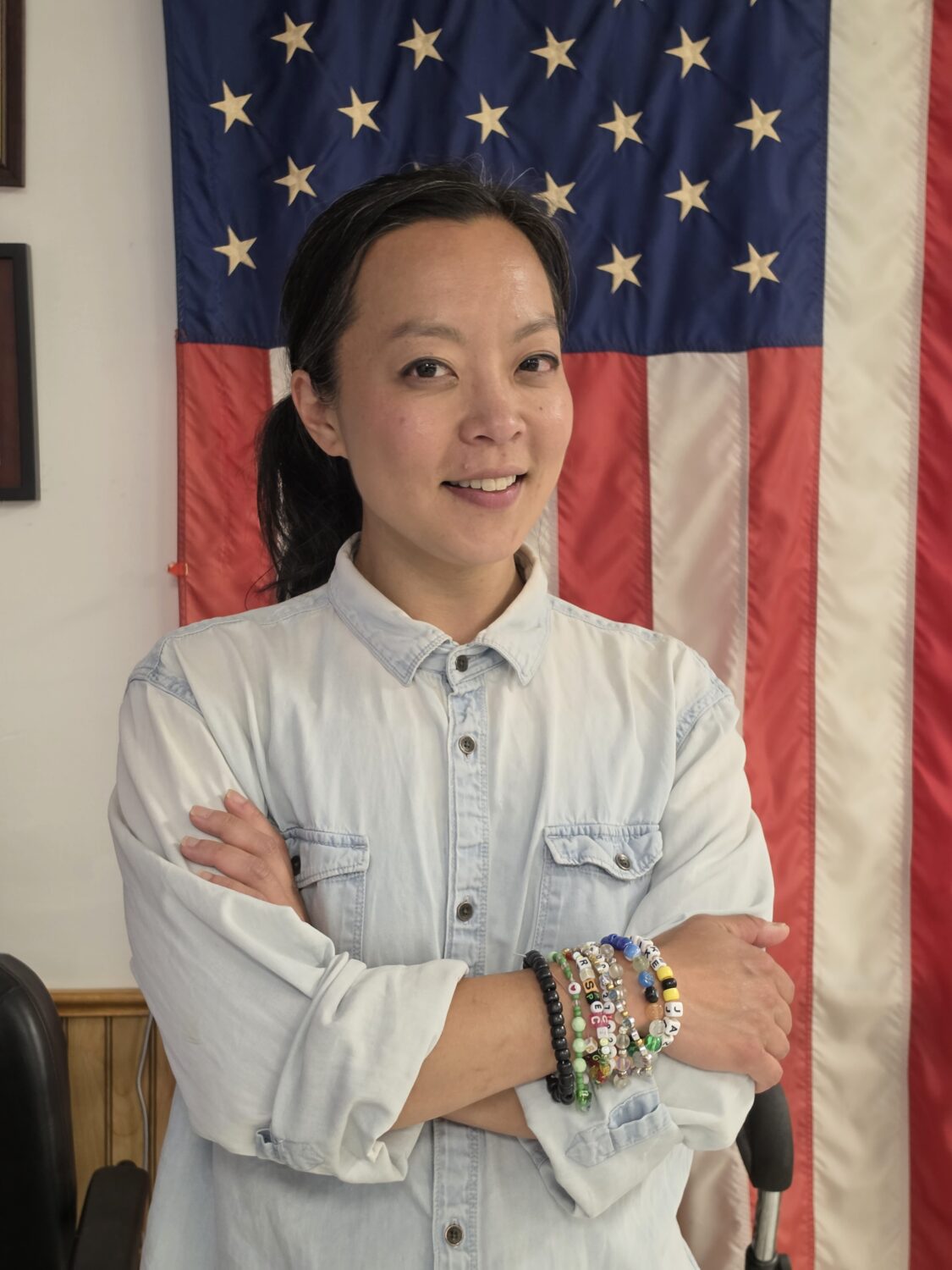
The controversy began with a post written during one of the most divided periods in recent American history: the COVID-19 pandemic.
In 2020, Thanksgiving looked very different for millions of Americans. Families canceled travel plans, public health officials urged people to avoid large gatherings, and communities debated how to balance personal traditions with concerns about spreading the virus.
During that period, Francesca Hong shared a message criticizing aspects of Thanksgiving while discussing issues connected to colonial history and public health concerns. The post was later deleted, but its contents resurfaced years afterward, creating renewed attention.
The timing matters because 2020 was a year when Americans were already arguing over masks, lockdown policies, school closures, and government restrictions. Many public statements made during that period reflected the intense emotions of the moment.
Years later, the same words were viewed through a different political environment.
That shift is what transformed a local lawmaker’s old social media post into a national conversation.
Why the phrase “cancel Thanksgiving” created backlash
Few phrases generate stronger reactions in American culture than the idea of canceling a major holiday.
For many Americans, Thanksgiving represents family gatherings, football games, traditional meals, and a yearly opportunity to reconnect with relatives and friends.
The phrase “cancel Thanksgiving” immediately touches something personal because the holiday is connected to childhood memories and family identity.
However, the debate around Thanksgiving has never been limited to food and family traditions. Historians, educators, and Indigenous advocates have spent decades discussing how the holiday is presented and whether the traditional story leaves out important parts of American history.
The disagreement often centers on a fundamental question:
Can Americans celebrate Thanksgiving while also acknowledging the complicated history connected to its origins?
Supporters of historical discussions argue that recognizing difficult events does not require abandoning traditions. Critics argue that some approaches to historical criticism can feel like attacks on cultural celebrations.
Hong’s resurfaced post became a symbol of that larger disagreement.
The pandemic changed how Americans viewed holiday gatherings.
The controversy cannot be separated from the unusual circumstances surrounding Thanksgiving 2020.
That year marked one of the few times in modern history when government officials, health experts, and families across the country openly debated whether major holiday gatherings should continue.
The Centers for Disease Control and Prevention warned Americans about the risks of traveling and gathering with people outside their households during the 2020 Thanksgiving period.
Many families held virtual celebrations instead. Others postponed traditions until they believed gatherings could happen more safely.
For some people, questioning Thanksgiving in 2020 was connected primarily to health concerns rather than opposition to the holiday itself.
For others, the discussion about changing or canceling celebrations became part of a larger cultural debate about whether traditional American institutions were being challenged.
The same conversation carried different meanings depending on personal experiences and political views.
Social media has created a permanent political record.
The Francesca Hong controversy highlights a modern reality: deleted posts can continue influencing public opinion years later.
Before social media became central to politics, many public statements disappeared after a news cycle ended. Today, screenshots, archives, and reposts can revive old conversations instantly.
Politicians, celebrities, and public figures from across the political spectrum have faced similar situations where previous comments returned after gaining new attention.
The challenge for elected officials is not only explaining what they said but explaining the context behind it.
A statement made during a crisis may reflect immediate concerns, frustration, or a specific debate happening at that time. Years later, critics may interpret the same words through a different political lens.
This creates a difficult balancing act for public figures: acknowledging past statements while explaining whether their current views have changed.
Thanksgiving’s complicated history continues to shape debates.
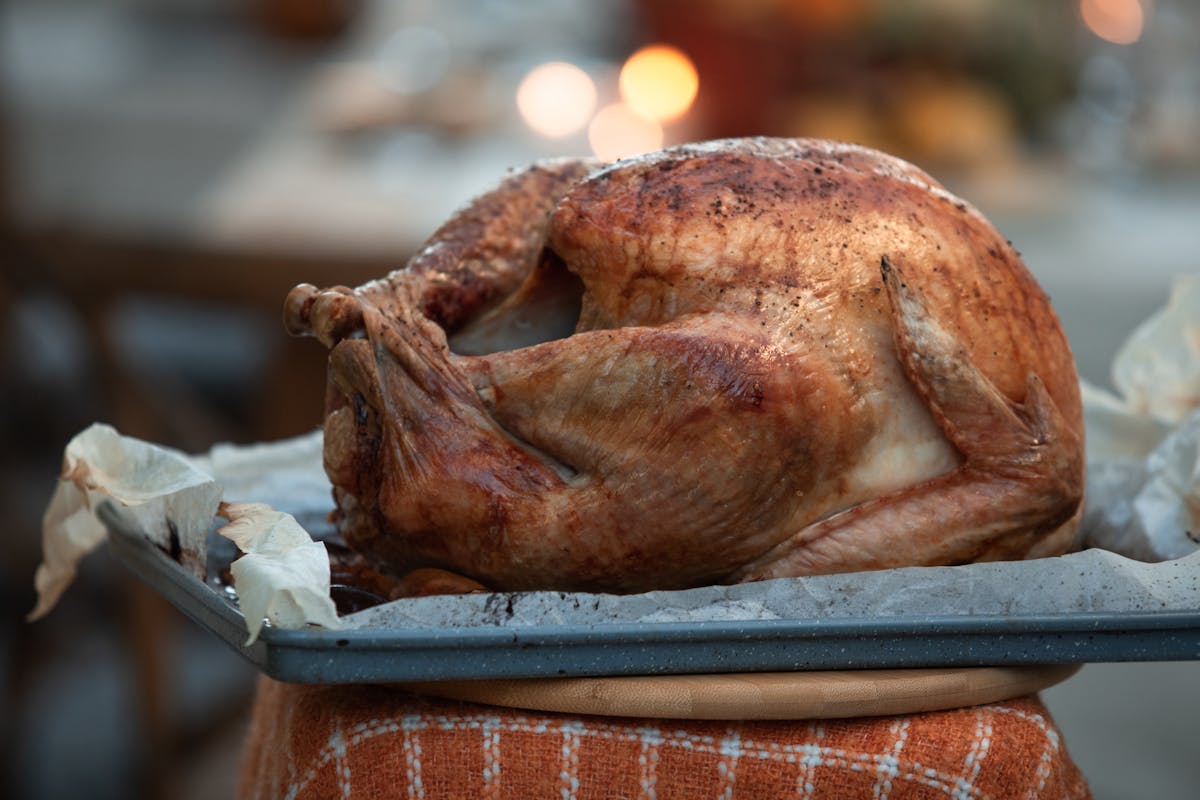
America’s Thanksgiving conversation has always involved both celebration and historical reflection.
The modern Thanksgiving tradition developed over centuries and has been shaped by different cultural interpretations.
Many Americans associate the holiday with gratitude and family. At the same time, historians have examined the relationship between Thanksgiving narratives and the broader history of European settlement, Native communities, and colonial expansion.
Indigenous groups have long used the holiday period to highlight historical experiences that are often overlooked in traditional celebrations.
This does not mean all Americans view Thanksgiving the same way. Instead, it shows why the holiday continues to inspire different emotions and interpretations.
For some, it is primarily a celebration. For others, it is also a moment to discuss history and remembrance.
The controversy surrounding Hong emerged from this larger national conversation.
The political lesson behind the Francesca Hong debate
The biggest story may not be Thanksgiving itself, but how modern politics handles the past.
The controversy demonstrates how quickly a single online statement can become part of a national political discussion.
Local officials can now face the same level of scrutiny once reserved for national figures. A post written years earlier can suddenly become a defining moment when shared widely.
For voters, these situations raise complicated questions:
Should public figures be judged by every statement they have made?
Should old comments be viewed differently when they were made during extraordinary circumstances?
How much explanation is enough when controversial words return?
There are no simple answers, but the debate surrounding Francesca Hong shows that America’s conversations about tradition, history, and politics are increasingly shaped by the digital footprints people leave behind.
The debate continues beyond one holiday.
The Thanksgiving controversy is part of a much larger national conversation about how America remembers, celebrates, and changes.
Across the country, communities continue debating how to preserve traditions while recognizing historical complexity.
The dispute involving Francesca Hong may eventually fade from headlines, but the questions behind it will likely remain.
As social media continues documenting public life, old statements will continue finding new audiences. And as Americans continue discussing traditions, history, and identity, holidays like Thanksgiving will remain part of the conversation.