Iran holds Strait of Hormuz shutdown over six demands as U.S. faces new pressure
A narrow waterway carrying the weight of the global economy has become the center of a major geopolitical confrontation. Iran says the Strait of Hormuz will remain closed until the United States meets six key demands, turning one of the world’s most important energy routes into a powerful bargaining tool.
The standoff is no longer only about ships moving through a strategic passage. It is about sanctions, military influence, regional power and the future relationship between Tehran and Washington. With a significant share of global energy supplies passing through the strait, the consequences of a prolonged shutdown could reach far beyond the Middle East.
Iran’s demands have transformed the waterway into a symbol of a much larger conflict. While Tehran is using the strait as leverage, the international community is watching closely because any disruption could affect oil markets, shipping costs and economic stability around the world.
Iran’s six demands turn the Strait of Hormuz into a high-stakes negotiation
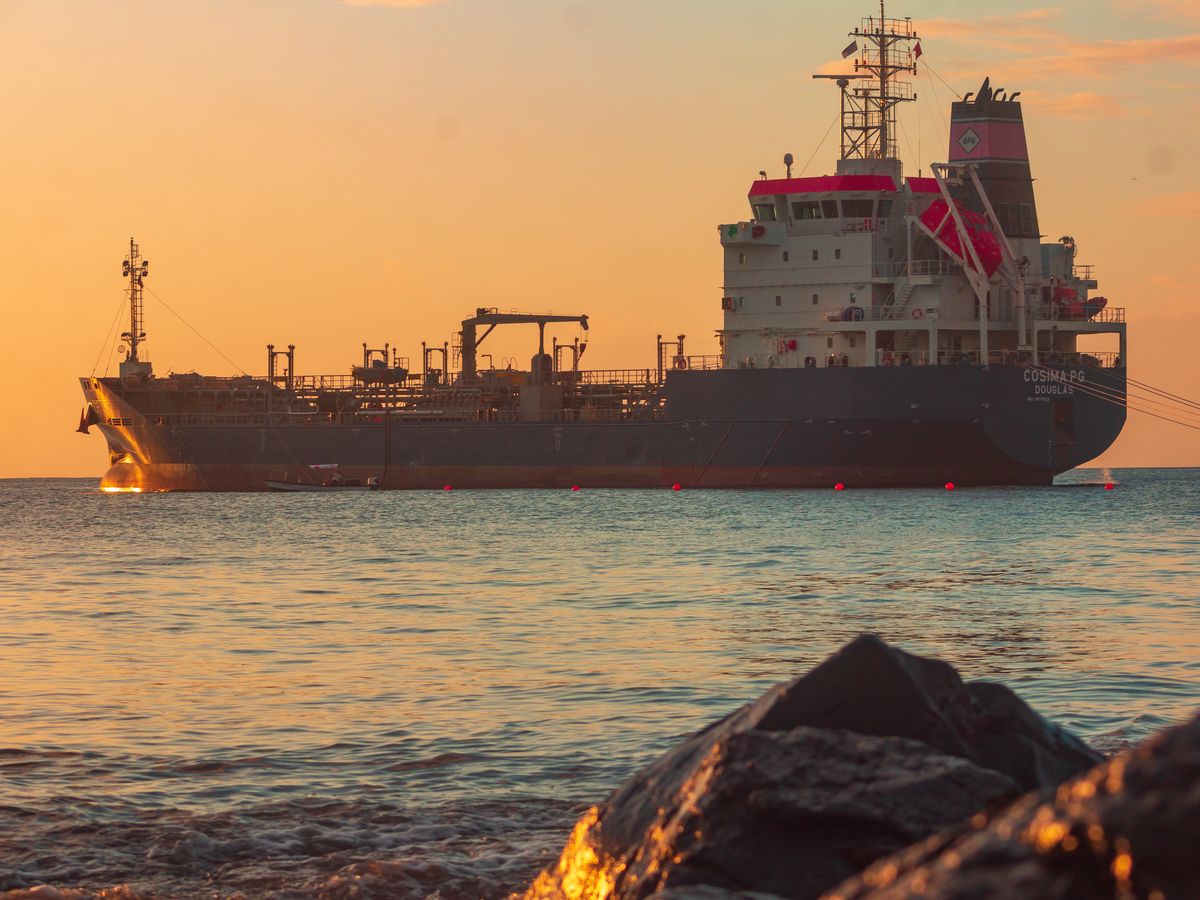
Iran’s decision to keep the Strait of Hormuz closed is tied to a list of demands that go far beyond reopening a shipping route.
The conditions reportedly include an end to U.S. military threats and actions against Iran, the withdrawal of American forces from the region, the removal of sanctions, the release of frozen Iranian assets, compensation for damages linked to conflict, and an end to what Tehran describes as foreign interference. These demands reveal that the dispute is connected to years of tension between the two countries rather than a single disagreement over maritime access.
For Iran, the demands represent what it views as necessary steps before normal relations can resume. For the United States, accepting such conditions would represent a major shift in its approach toward Tehran and could reshape the broader balance of power in the region. The Strait of Hormuz has become the visible point of a much deeper struggle. Behind the shipping crisis is a battle involving economic pressure, military strategy and competing visions of regional influence.
A 21-mile waterway has become a global energy pressure point
The importance of the Strait of Hormuz comes from a simple reality: the world depends heavily on keeping it open. The narrow passage between the Persian Gulf and the Gulf of Oman is one of the most critical maritime chokepoints on Earth. Major energy producers in the region rely on the route to move oil and natural gas shipments to international markets, making any disruption a concern for countries far beyond the Middle East.
The strait’s importance comes from the amount of energy that passes through it every day. A prolonged shutdown could create uncertainty for energy markets, increase pressure on global supply chains and force countries to search for alternatives that cannot fully replace the route.
The crisis demonstrates how geography can become a powerful political weapon. A waterway only a few miles wide can influence decisions made by governments, businesses and consumers across the world.
Iran’s biggest bargaining chip could also become its biggest risk
Using the Strait of Hormuz as leverage gives Iran influence, but maintaining a prolonged shutdown could create challenges for Tehran as well. Iran understands the strategic importance of the waterway and the pressure it can create by threatening global energy flows.
The possibility of disruption alone can affect markets because traders and governments often react to uncertainty before an actual supply crisis develops. However, a continued shutdown could also bring economic consequences.
Countries that depend on Gulf energy exports would face pressure, but Iran could also face stronger international opposition and increased diplomatic isolation if the crisis continues. The situation creates a difficult balance for Tehran. The strait gives Iran a powerful negotiating tool, but using that tool for too long could increase the economic and political costs surrounding the confrontation.
The Hormuz crisis could eventually reach consumers worldwide
A conflict centered in the Middle East could eventually affect everyday life through energy prices, transportation costs and global trade. Oil markets are highly sensitive to uncertainty, especially when the threat involves a major shipping route.
If concerns about supply disruptions continue, businesses that rely on fuel and transportation could face higher costs that may eventually influence prices for consumers. The impact would not stop with gasoline.
Higher energy costs can affect airlines, manufacturers, shipping companies, and industries that depend on stable global supply chains. This is why governments around the world are watching the situation closely. The Strait of Hormuz may be thousands of miles away from many consumers, but its economic impact can travel much farther than the conflict itself.
Alternative routes exist, but the world cannot easily replace Hormuz
Some countries have developed backup options, but no alternative can fully replace the scale and importance of the Strait of Hormuz. Major Gulf producers have invested in pipelines and other export routes designed to reduce dependence on the strait.
Saudi Arabia and the United Arab Emirates, for example, have developed infrastructure that allows some energy shipments to bypass the waterway. Those alternatives provide flexibility during periods of tension, but they cannot handle the same level of global energy movement as Hormuz.
The world’s energy system remains deeply connected to the narrow passage. That dependence explains why even the possibility of disruption creates global concern. The issue is not only whether ships can move today, but whether the world has enough alternatives if the crisis continues.
The military standoff around Hormuz raises the risk of wider conflict
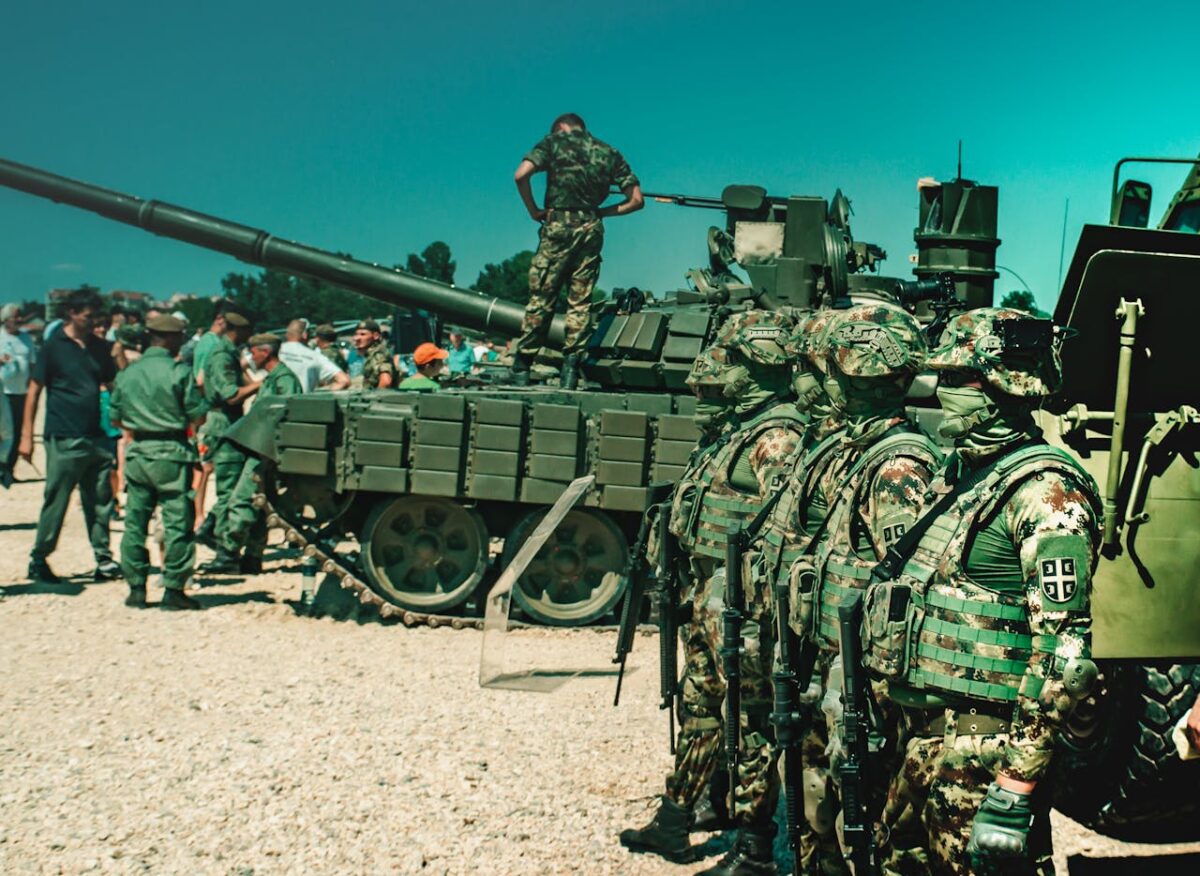
The Strait of Hormuz is not only an economic chokepoint. It is also one of the world’s most sensitive military flashpoints. The region involves Iranian forces, U.S. military assets and other countries with major security interests in Gulf stability. Any confrontation near the waterway carries the risk of escalating beyond a shipping dispute into a broader military crisis.
The challenge for world leaders is protecting international shipping while avoiding actions that could increase tensions. Military pressure may reassure allies, but it can also create new risks if communication breaks down.
The longer uncertainty continues, the more difficult it becomes to separate economic concerns from security threats. Every decision around the strait now carries consequences far beyond its immediate location.
The Strait of Hormuz crisis has become a test of diplomacy and global stability
Iran’s six demands show that the current standoff is about much more than a blocked shipping route. The confrontation has brought together some of the world’s biggest issues: energy security, sanctions, military influence and international diplomacy.
The future of the strait depends on whether Iran and the United States can find common ground before economic pressure and political tensions become even harder to manage. For the global economy, the Strait of Hormuz remains a vital lifeline.
For Iran and Washington, it has become a measure of influence and negotiation power. A narrow waterway now sits at the center of a much larger question: whether diplomacy can prevent a regional confrontation from becoming a global crisis.