8 Countries Americans Are Warned to Avoid Due to Serious Travel Risks
For many Americans, traveling abroad means discovering new cultures, experiencing history, and creating lasting memories. But before packing a suitcase, travelers are advised to check official warnings because some destinations face serious challenges, including conflict, crime, political instability, and limited access to U.S. assistance.
The U.S. Department of State issues travel advisories to help Americans understand potential risks overseas. The highest warning level, Level 4: Do Not Travel, applies to places where officials believe safety threats are severe and emergency support may be limited.
These advisories are based on current conditions, not judgments about a country or its people. Here are some destinations where Americans are currently warned to reconsider travel because of significant safety concerns.
Afghanistan
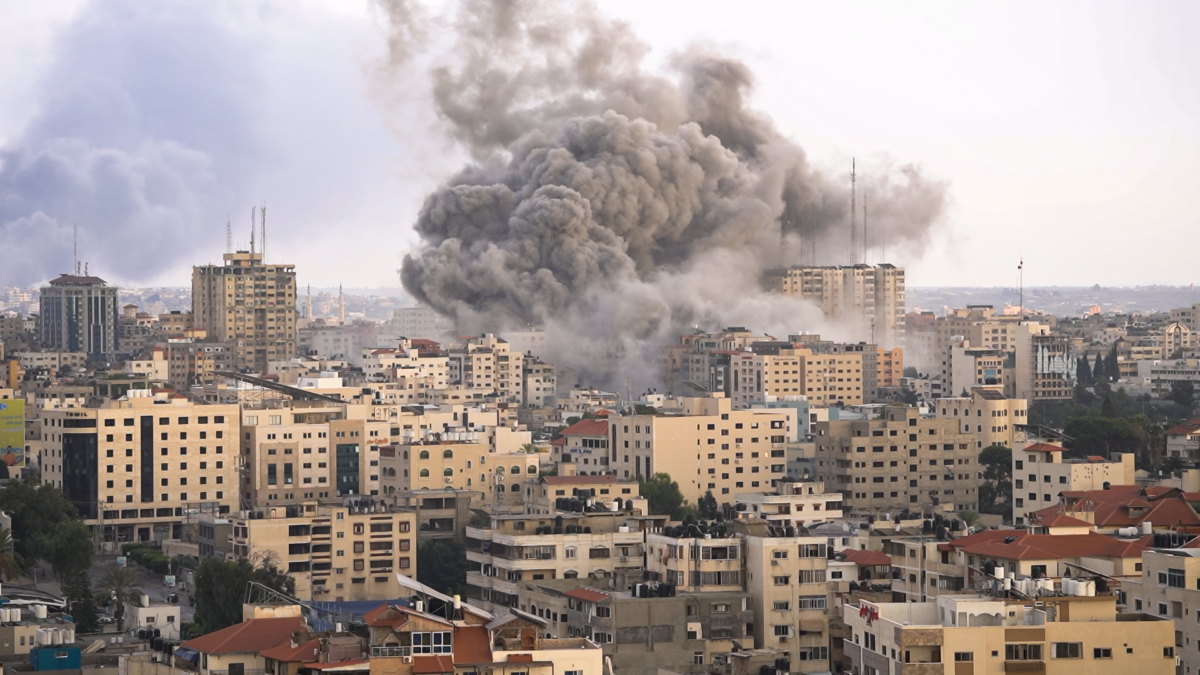
Afghanistan remains one of the most dangerous destinations for American travelers because of terrorism risks, unstable security conditions, and limited U.S. government assistance.
The country has experienced decades of conflict, and although large-scale fighting has changed since the Taliban returned to power in 2021, security concerns remain.
The U.S. government warns about risks including terrorism, kidnapping, wrongful detention, civil unrest, and limited ability to provide emergency support to American citizens.
Extremist groups continue to operate in parts of the country, creating unpredictable threats for both locals and foreigners. Travelers may also face challenges accessing medical care, transportation, and emergency services.
For Americans considering travel to Afghanistan, the risks extend beyond personal safety. Diplomatic support is extremely limited because the United States does not maintain a normal embassy presence there.
Ukraine
Ukraine remains a high-risk destination because of the ongoing war with Russia and the continued threat of military attacks.
Before the conflict escalated in 2022, Ukraine was becoming an increasingly popular destination for tourism because of its historic cities, architecture, and cultural attractions.
However, the security situation changed dramatically after Russia launched its full-scale invasion. Missile strikes, drone attacks, damaged infrastructure, and military operations continue to create dangers in many areas.
Travel risks vary depending on location. Some western regions have experienced fewer attacks than areas closer to the front lines, but no part of the country can be considered completely free from risk.
Americans traveling to conflict zones may also face difficulties receiving emergency assistance, especially during periods of intensified fighting.
Syria
Syria remains one of the countries where Americans are strongly advised not to travel because of ongoing security challenges.
Years of civil war have damaged infrastructure and created complex security conditions. Risks include terrorism, kidnapping, armed conflict, unexploded weapons, and arbitrary detention.
Several extremist organizations have operated in Syria, and conditions can change quickly. Foreign travelers may face significant challenges because consular services are extremely limited.
Even humanitarian organizations and experienced international workers often require extensive security planning when operating in the country.
Yemen
Yemen continues to face severe risks because of armed conflict, terrorism threats, and political instability. The country has experienced years of fighting involving different political and military groups.
Travelers may face dangers including kidnapping, attacks, and limited access to medical services. The humanitarian situation has also created additional challenges, including shortages of basic resources and damaged infrastructure.
For Americans abroad, one major concern is the limited ability of the U.S. government to provide assistance during emergencies.
North Korea
North Korea presents a different type of travel risk because of its strict government controls and unpredictable legal environment. Unlike countries facing active wars, North Korea’s primary risks involve government restrictions, surveillance, and the possibility of detention.
American visitors have historically faced serious consequences after violating local laws, including rules that may seem minor by international standards. The country’s relationship with the United States remains tense, and diplomatic support for Americans inside North Korea is extremely limited.
Travelers who enter must understand that they operate under a legal system very different from what they are familiar with in the United States.
Russia
Russia has become a more complicated destination for American travelers because of political tensions, legal risks, and strained relations with the United States.
Before recent conflicts, Russia was a popular destination for Americans interested in history, culture, and major cities such as Moscow and St. Petersburg.
However, relations between Washington and Moscow have deteriorated significantly. The U.S. government has warned Americans about risks including wrongful detention, limited embassy support, and unpredictable enforcement of local laws.
The conflict in Ukraine has also increased tensions between Russia and Western countries. Travelers who enter Russia must carefully consider the changing political environment.
Iraq
Iraq has made security improvements in some areas, but serious risks remain for foreign visitors. The country continues to face threats from terrorism, armed groups, and political instability.
Some areas are safer than others, particularly major cities and regions with stronger security conditions. However, the possibility of sudden violence remains a concern.
Americans traveling to Iraq may also face challenges because of limited government support in certain situations.
Iran
Iran remains a high-risk destination for many Americans because of political tensions and the possibility of detention.
The relationship between the United States and Iran has been strained for decades. American citizens, especially those with connections to Iran or dual nationality, may face additional risks.
The U.S. government warns about wrongful detention, terrorism threats, and limited ability to provide consular assistance. Although Iran has a rich cultural history and many welcoming communities, political conditions make travel decisions complicated for Americans.
Why Travel Advisories Matter
Travel warnings are designed to help Americans make informed decisions, not discourage all international exploration. The world contains many destinations where millions of Americans travel safely every year. However, conditions can change quickly.
A country that is considered safe today may face new challenges because of elections, conflicts, natural disasters, health emergencies, or political instability.
Before traveling internationally, Americans should check official travel information, understand local laws, purchase appropriate insurance, and have emergency plans.
The Importance of Understanding Risk Before Traveling
The biggest mistake travelers can make is assuming that every destination carries the same level of safety. International travel requires awareness. A beautiful destination can still have serious risks if travelers ignore warnings or fail to prepare.
Government advisories provide information about potential dangers, but travelers must ultimately decide what level of risk they are comfortable accepting.
The safest travelers are not those who avoid the world completely. They are the ones who understand the risks, prepare carefully, and make informed decisions before they go.