Robot Vacuum Ban Raises New Questions About Privacy, Prices and the Future of America’s Smart Homes
A machine designed to collect dust has unexpectedly entered the center of America’s national security debate. The robot vacuum ban discussion follows new Federal Communications Commission restrictions targeting certain foreign-produced advanced robotic devices seeking authorization in the United States. The action does not mean federal agents are coming for vacuum cleaners already sitting inside American homes. Instead, it signals something potentially more consequential: Washington increasingly views connected household robots as computers, sensors and data-collection devices rather than ordinary appliances.
That distinction matters because robot vacuums have changed dramatically since their early days of wandering randomly across living-room floors. Modern models can map rooms, recognize furniture, identify obstacles, connect to Wi-Fi networks and communicate with cloud-based platforms. Some premium machines use cameras, lasers and artificial intelligence to navigate increasingly complicated environments. Those capabilities have made them better cleaners, but they have also created privacy and cybersecurity questions that traditional vacuum cleaners never raised.
The FCC action adds foreign-produced advanced robotic devices to its Covered List as federal officials increase scrutiny of connected technologies that could present national security risks. The restrictions primarily affect future equipment authorizations rather than previously authorized products already available in the United States. That distinction makes the phrase robot vacuum ban somewhat broader than the actual policy. Still, the consequences could eventually reach consumers through product availability, competition, pricing and the technologies allowed into American homes.
Behind the regulatory language sits a larger question about modern life. Americans have filled their homes with devices that can see, hear, map, measure and communicate, often without thinking about them as sophisticated computers. The robot vacuum controversy exposes how quickly convenience can become entangled with cybersecurity and geopolitics. A device purchased to save 30 minutes of cleaning may now represent one small piece of a much larger struggle over who controls the technologies inside connected homes.
When a Vacuum Cleaner Became a Moving Computer

The first generation of consumer robot vacuums offered relatively simple automation. They traveled across floors using basic sensors, changing direction when they encountered walls, furniture, or stairs. Their appeal came from convenience rather than intelligence, and consumers rarely had reason to consider them potential cybersecurity devices. Over time, however, manufacturers transformed these machines into increasingly sophisticated autonomous platforms.
Modern models can construct digital maps instead of relying solely on random movement. Some remember multiple floors, distinguish rooms, identify carpets and avoid objects such as shoes, cables or pet waste. Smartphone applications allow owners to schedule cleaning, create restricted zones and monitor progress remotely. These features require substantially more sensing, processing and connectivity than the machines that introduced Americans to robotic cleaning.
That technological leap helps explain why the robot vacuum ban debate extends beyond household cleaning. A network-connected robot moving autonomously through private spaces presents a different risk profile from a conventional appliance. Its sensors continuously interpret the environment so the machine can make navigation decisions. If that information leaves the device, questions naturally emerge about storage, transmission, access and security.
The change also illustrates a broader shift occurring throughout consumer technology. Televisions became streaming computers, refrigerators gained internet connections, doorbells became cameras and speakers became voice-controlled digital assistants. Household appliances increasingly perform functions that depend on software and external networks. Regulators must therefore decide whether rules created for conventional electronics remain adequate for machines that continuously interact with their surroundings.
Your Floor Plan Has Become Valuable Digital Information
Privacy concerns become more complicated when a robot understands the physical structure of a home. Mapping allows a vacuum to clean efficiently because the machine can remember walls, rooms, and obstacles rather than rediscovering them during every cycle. For consumers, the result can mean faster cleaning and more precise control. From a cybersecurity perspective, however, those maps represent another category of potentially sensitive household information.
A detailed map can reveal much more than square footage. Depending on the technology involved, environmental data may indicate where bedrooms, offices, entrances, and living areas sit within a property. Patterns of device activity could also provide clues about household routines when combined with other information. None of this means every robot vacuum exposes such information, but the capability explains why regulators increasingly care about how connected robots handle data.
The issue reflects a familiar bargain in the digital economy. Consumers regularly exchange information for convenience when using smartphones, navigation services, fitness trackers and streaming platforms. Smart-home technology extends that bargain into physical living spaces, where sensors interact with environments traditionally considered private. The robot vacuum ban debate therefore raises a question that reaches far beyond cleaning: how much environmental information should a household appliance need to collect?
Manufacturers have strong incentives to answer that question convincingly. Consumers may tolerate data collection when they understand its purpose and trust the company protecting it. Confidence can disappear quickly after security breaches, unexpected data practices or poorly explained permissions. As homes become more connected, privacy may become as important a selling point as suction power, battery life or navigation accuracy.
Washington Is Looking at the Supply Chain, Not the Dust
The FCC restrictions form part of a broader national security strategy focused on communications equipment, connected devices and foreign technology supply chains. Federal policymakers have spent years examining whether certain technologies could create vulnerabilities when deployed widely across American infrastructure and consumer networks. Robots add another dimension because they combine connectivity with autonomous movement and sophisticated sensing. That combination creates concerns that conventional electronic products may not present.
Foreign manufacturing itself does not automatically make a device dangerous. The policy instead reflects concerns about particular categories of foreign-produced advanced robotic equipment and the risks regulators believe could accompany them. The FCC’s Covered List framework allows the government to restrict authorization of equipment considered an unacceptable national security risk. Adding advanced robotic devices expands that scrutiny into an industry expected to grow substantially as artificial intelligence improves.
This helps explain why the robot vacuum ban story should not be viewed simply as Washington targeting a popular appliance. Robot vacuums happen to provide one of the clearest consumer examples of autonomous machines already operating inside private spaces. Similar technologies increasingly appear in commercial warehouses, hospitals, factories, hotels and agricultural operations. The regulatory argument therefore concerns the future architecture of robotics as much as the machines currently cleaning kitchen floors.
The United States also faces an economic challenge within that debate. Restricting potentially risky technologies becomes easier when domestic manufacturers can provide competitive alternatives at similar prices. The calculation becomes harder when global supply chains dominate production or overseas companies lead important segments of the market. National security policy can therefore collide with consumer expectations for affordability, innovation and constant product improvement.
The Robot Vacuum Ban Is Not Coming for Machines Already in Homes
One of the most important distinctions concerns what the FCC action does not do. Americans do not need to unplug robot vacuums they already own because of the new restrictions. Previously authorized products are not suddenly prohibited from operating simply because the regulatory environment has changed. Existing approved models can also remain available under the applicable authorization rules.
The policy primarily creates obstacles for covered foreign-produced advanced robotic devices seeking new FCC equipment authorization. Manufacturers may also have pathways involving conditional approval, depending on the circumstances and regulatory requirements. That makes the situation more complicated than headlines suggesting that Washington has outlawed robot vacuums nationwide. Accuracy matters because consumers could otherwise mistake a future market restriction for a recall of products already purchased.
Even so, the robot vacuum ban could gradually become visible inside stores and online marketplaces. Product markets change through replacement cycles rather than overnight transformations. A family may keep the same vacuum for several years before seeking a newer model with improved navigation or stronger cleaning capabilities. Restrictions on future approvals could therefore influence consumer choices slowly as existing product generations age.
Software support creates another issue worth watching. Connected appliances increasingly depend on applications, cloud services, security patches, and manufacturer infrastructure long after the original purchase. Hardware can continue functioning while digital features become outdated or unsupported. The long-term consumer impact will consequently depend not only on which machines remain available, but also on how manufacturers support devices already operating in American homes.
The Cheapest Models Could Become Harder to Replace
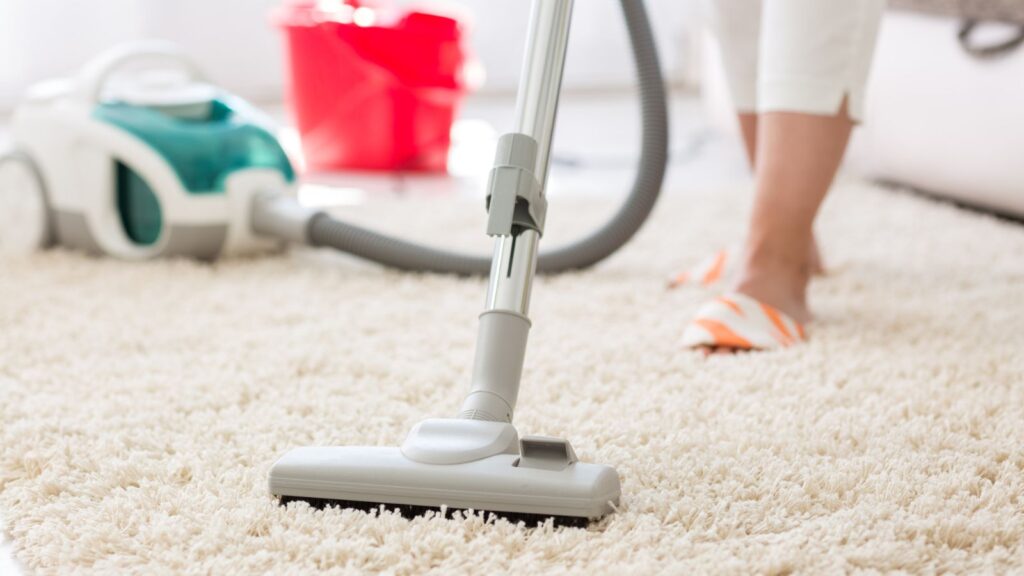
Price may eventually become the most noticeable consequence for ordinary households. Foreign manufacturers have helped create intense competition across the robot vacuum market, offering products from inexpensive entry-level machines to sophisticated models with self-emptying docks and advanced navigation. Competition has pushed manufacturers to improve features while targeting increasingly broad consumer groups. Regulatory barriers can change that equation if they reduce the number of companies able to introduce new products.
Fewer competitors do not automatically guarantee higher prices. Companies can respond through supply-chain adjustments, domestic investment, partnerships, or changes in product design that satisfy regulatory requirements. Existing authorized inventory may also continue providing consumers with options for some time. Nevertheless, a sustained reduction in competitive pressure could make affordable innovation harder to maintain.
The robot vacuum ban may therefore test whether Americans are willing to pay more for products that satisfy stronger security expectations. Consumers frequently support privacy and cybersecurity protections in principle while remaining highly sensitive to prices at checkout. A $200 machine and a $600 alternative can represent very different purchasing decisions for a household. Security policies become especially consequential when their costs eventually appear in ordinary consumer goods.
There is also an accessibility dimension to consider. Robot vacuums are often portrayed as luxury gadgets, but automated cleaning can provide practical assistance to older adults, people with limited mobility, and households balancing demanding work schedules. Affordable models helped move the technology beyond early adopters and into mainstream homes. If regulatory changes reduce inexpensive options, the effects may extend beyond consumers simply wanting the newest gadget.
The Smart Home Could Be the Next Regulatory Frontier
Robot vacuums are hardly the only household products capable of collecting environmental information. Video doorbells can record activity outside homes, security cameras can monitor interior spaces, and smart speakers respond to spoken commands. Connected thermostats learn temperature preferences while smart locks record entrances and exits. Each device creates benefits while adding another digital system to the household.
For years, the smart-home industry sold connectivity primarily as convenience. Advertisements promised lights that responded to voices, cameras accessible from anywhere, and appliances that could manage routine tasks automatically. Security often remained less visible because consumers cared more about whether products worked easily. Growing geopolitical tensions and cybersecurity incidents have made that comfortable separation increasingly difficult to maintain.
The robot vacuum ban could become an early example of regulators applying stricter national security thinking to everyday connected products. That does not mean smart speakers, locks or refrigerators will face identical restrictions. Different technologies create different risks, and regulatory decisions depend on specific legal and technical circumstances. Still, the underlying principle is becoming clearer: a household device can attract government scrutiny when its connectivity creates security concerns.
That shift could alter how manufacturers design smart-home products. Companies may place greater emphasis on local processing, stronger encryption, limited data retention and clearer explanations of where information travels. Consumers could eventually see privacy features advertised as aggressively as artificial intelligence capabilities. Regulation, in that sense, could influence not only which products reach the market but also how the next generation of devices gets built.
America Faces an Uncomfortable Robotics Trade-Off
The United States wants to remain competitive in artificial intelligence and robotics while also reducing exposure to technologies considered national security risks. Those objectives can support each other when restrictions encourage domestic investment. They can conflict when foreign companies provide cheaper or more advanced products than domestic alternatives. Robot vacuums offer a surprisingly useful example of that economic tension.
Building a competitive robotics industry requires more than assembling finished machines domestically. Manufacturers need motors, sensors, batteries, semiconductors, software, cameras and sophisticated supply networks. Creating those ecosystems takes capital, skilled workers and time. Restricting foreign products can create an opening for domestic competitors, but regulation alone cannot guarantee that affordable replacements appear immediately.
The robot vacuum ban discussion consequently raises questions about industrial policy as well as cybersecurity. If Washington wants Americans to rely less heavily on foreign robotics, domestic manufacturers will need to compete on quality and price. Consumers have grown accustomed to rapid product improvements and frequent discounts in consumer electronics. Patriotism or security concerns may influence purchasing decisions, but affordability remains powerful.
History offers similar examples of technology becoming inseparable from national strategy. Telecommunications equipment, semiconductors and communications networks have all moved from commercial concerns into geopolitical debates. Robotics may now be following the same path as autonomous machines become more capable and widespread. The difference is that this geopolitical competition can now roll directly across the living-room floor.
Convenience Is Starting to Carry a Security Price
The larger lesson extends beyond any particular vacuum brand. Connected technology has encouraged consumers to think about convenience first because many risks remain invisible during ordinary use. A robot vacuum cleans while its owner works, sleeps, or leaves the house, making automation feel almost effortless. The underlying software, sensors, networks and data systems rarely attract attention until something goes wrong.
Regulators increasingly operate from the opposite perspective. They must consider what could happen if a widely deployed technology contains vulnerabilities, transmits sensitive information or depends heavily on supply chains outside American control. A low-probability risk can become significant when millions of connected devices enter homes and businesses. That difference in perspective helps explain why seemingly ordinary products can suddenly become national security issues.
The robot vacuum ban also challenges the assumption that inexpensive smart technology comes without broader costs. Consumers may pay with money, information, reduced privacy, or dependence on external digital services. Governments may respond by imposing restrictions that create different costs through reduced competition or higher compliance expenses. There is rarely a perfect solution when security, affordability and innovation pull in different directions.
What happens next will depend heavily on how manufacturers respond. Companies that can demonstrate strong cybersecurity practices, transparent data handling and compliant supply chains may gain an advantage. Others could redesign products or reconsider how much information their machines actually need. The regulatory pressure may ultimately force an industry built around convenience to treat trust as a core product feature.
A Small Machine Now Represents a Much Bigger Question
The robot vacuum sitting quietly beneath a kitchen counter still has the same basic job it had yesterday. It collects crumbs, dust and pet hair while saving its owner time. Yet the technology surrounding that simple task has evolved far beyond the traditional appliance. Sensors, maps, algorithms and internet connections have turned an ordinary cleaning tool into part of America’s expanding digital environment.
That transformation explains why the robot vacuum ban debate deserves more attention than its unusual headline might suggest. The FCC action does not amount to a nationwide confiscation or immediate prohibition of existing robot vacuums. Instead, it places new barriers around certain future foreign-produced advanced robotic devices while forcing manufacturers and consumers to confront questions that technological convenience once allowed them to ignore. The consequences may emerge gradually through future models, prices, competition, and product design.
The story also captures a turning point in the relationship between Americans and smart-home technology. Consumers spent years asking what connected devices could do for them, while companies raced to add cameras, artificial intelligence and increasingly sophisticated automation. The next phase may involve a harder question about what those devices know, where that information travels and who ultimately controls the technology. Security may become part of the purchasing decision rather than an invisible technical detail.
Perhaps that is the most important lesson from a controversy involving something as ordinary as a vacuum cleaner. The future of technology will not arrive only through dramatic humanoid robots or machines that resemble science fiction. It is already entering homes through devices that appear mundane, useful, and familiar. The machine cleaning the floor may be small, but the debate surrounding it reveals just how complicated the connected home has become.