American Airlines Flight Hit by Bird Strike as Flames Shoot From Engine, Exposing a Hidden Threat Still Haunting Modern Aviation
American Airlines Flight 1760 was supposed to be a routine short trip from South Carolina to North Carolina. Still, minutes after takeoff, flames shooting from the aircraft’s engine turned an ordinary morning flight into a frightening emergency that exposed one of aviation’s most unpredictable dangers: bird strikes.
The Boeing 737-800 had just departed from Myrtle Beach International Airport when passengers noticed something was wrong. Videos recorded from inside the cabin appeared to show bursts of flames coming from the engine as the aircraft experienced problems shortly after leaving the runway. The pilot quickly declared a Mayday emergency while attempting to return the aircraft safely to the airport.
The incident involving American Airlines Flight 1760 did not end in tragedy. All passengers and crew members survived, and the aircraft landed safely back at Myrtle Beach. However, the dramatic images captured by passengers raised a larger question that continues to challenge the aviation industry: How can a modern commercial aircraft still be threatened by something as small and unpredictable as a bird?
A Normal Takeoff Became a Race Against Seconds After the Engine Problem Began
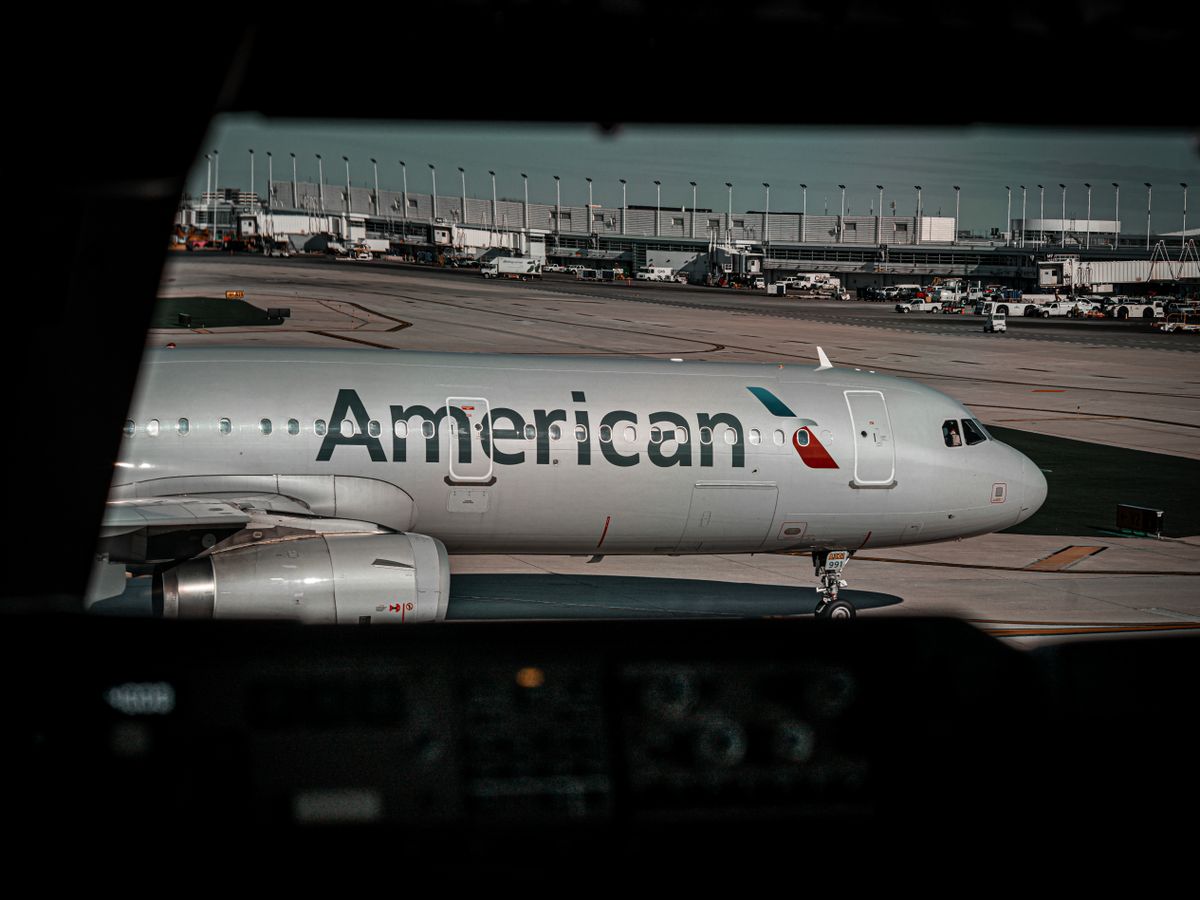
For the passengers aboard American Airlines Flight 1760, the flight likely began like thousands of others across the United States every day. Travelers boarded, stored their luggage, settled into their seats, and prepared for a short journey to Charlotte. Within minutes, that sense of normal routine disappeared.
The aircraft experienced an apparent bird strike shortly after departure, creating an engine problem that forced the crew to make an immediate decision. Air traffic control recordings captured the urgency of the situation as the pilot announced, “Mayday, mayday, mayday, we got an engine problem here.”
The timing made the emergency especially challenging. The first minutes after takeoff are among the most demanding periods of any flight because aircraft are still gaining altitude, pilots are managing multiple systems, and there are fewer options available if a serious mechanical issue develops.
Aviation emergencies are often measured in seconds rather than minutes. In this case, the pilots had to evaluate the aircraft’s condition, communicate with controllers, and decide whether continuing toward Charlotte or returning to Myrtle Beach was the safest option.
The decision to turn back demonstrated the importance of emergency procedures designed for unpredictable situations. Commercial pilots train repeatedly for engine failures and other problems because a fast and controlled response can determine the outcome of a dangerous event.
For passengers watching flames outside their windows, however, the technical response happening inside the cockpit was invisible. They only saw the frightening signs of a possible disaster unfolding in the sky.
The Flames Created Panic, But the Real Danger Was Hidden Inside the Engine
The passenger videos from the flight quickly attracted attention because they showed a scene many travelers never expect to witness. Bright flashes appeared near the engine, creating the impression that the aircraft was on fire. The images created understandable fear because visible flames on an airplane are often associated with catastrophic emergencies.
However, aviation experts explain that visible flames do not always mean an aircraft engine is experiencing an uncontrolled fire. Engine malfunctions can sometimes produce flashes or burning fuel during abnormal operation, while safety systems prevent the problem from spreading.
American Airlines later said the aircraft was removed from service for inspection and that initial reviews did not indicate an actual engine fire. The airline confirmed that the aircraft landed safely and that passengers were moved onto another flight.
The difference between what passengers see and what investigators discover is one of the most important parts of aviation accident analysis. A dramatic video may show the frightening outcome, but specialists must examine engine components, flight data, and physical evidence before determining exactly what happened.
This is why aviation investigations often take time. The goal is not simply to explain what passengers experienced but to understand the technical chain of events that caused the problem.
In the case of American Airlines Flight 1760, investigators will focus on the reported bird strike, the engine response, and whether any additional factors contributed to the emergency return.
The Small Threat That Can Challenge a Massive Commercial Aircraft

The American Airlines emergency landing highlighted a problem that has existed since the earliest days of powered flight. Bird strikes remain one of aviation’s most persistent challenges because aircraft operate in the same environment as wildlife.
Modern airports invest heavily in wildlife management programs. Teams use habitat control, bird monitoring, airport inspections, and other methods to reduce the chances of dangerous encounters. Despite these efforts, eliminating the risk remains impossible.
The reason is simple: birds move according to natural patterns that are difficult to predict. Migration routes, weather changes, food sources, and seasonal conditions can bring large numbers of birds close to airports.
The incident at Myrtle Beach showed how quickly that risk can become serious. Air traffic control personnel reportedly found significant bird debris on the runway after the aircraft departed, indicating that the plane may have encountered multiple birds.
Multiple bird strikes create greater concerns because several impacts can affect different parts of an aircraft at the same time. Engines, wings, and other forward-facing areas are particularly vulnerable during takeoff because aircraft are moving at high speeds while flying close to the ground.
The challenge is not caused by outdated aircraft design. Even advanced commercial jets with powerful engines and sophisticated safety systems must operate in an environment where nature cannot always be controlled.
That reality creates a unique aviation problem. Engineers can design stronger aircraft, but they cannot completely remove unpredictable encounters with wildlife.
Why Takeoff Remains One of Aviation’s Most Critical Moments
Many travelers think of turbulence as the greatest danger during a flight. However, aviation professionals often identify takeoff and landing as periods requiring the highest level of concentration.
During takeoff, pilots must monitor engine performance, aircraft speed, altitude, runway conditions, and communication with air traffic controllers. Any unexpected problem requires immediate analysis and precise action.
A bird strike during this stage creates additional pressure because the aircraft may still be too low for many recovery options. Pilots must quickly determine whether to continue climbing, reduce power, return to the airport, or prepare for another emergency procedure.
The successful return of American Airlines Flight 1760 showed the value of pilot training and aviation safety systems. The aircraft returned to Myrtle Beach without injuries, despite the seriousness of the situation.
The event also demonstrates why airline crews spend thousands of hours preparing for rare emergencies. Many safety procedures are developed for situations that may never happen, but those preparations become critical when unexpected problems appear.
For passengers, the experience can feel sudden and chaotic. For trained flight crews, the goal is to transform a dangerous moment into a controlled response.
Aviation History Shows Bird Strikes Are Not a New Problem
The American Airlines emergency landing is the latest reminder of a challenge that has affected aviation for decades. Bird strikes have been linked to some of the most well-known aircraft emergencies in history.
One of the most famous examples occurred in 2009 when US Airways Flight 1549 struck a flock of geese shortly after takeoff from New York. Both engines lost power, forcing Captain Chesley “Sully” Sullenberger and his crew to land the aircraft safely on the Hudson River.
That event became known as the “Miracle on the Hudson” and demonstrated how quickly a bird encounter can transform into a life-threatening emergency. It also showed how training, experience, and decision-making can prevent loss of life.
Other incidents around the world have also involved bird strikes affecting commercial aircraft. Some have caused emergency landings, while others have resulted in serious damage requiring extensive repairs.
These examples explain why aviation regulators continue studying wildlife encounters. Every incident provides information that can improve airport procedures, aircraft design, and pilot training.
The goal is not only to respond better after a bird strike occurs but to reduce the chances of such events happening in the first place.
Passenger Videos Are Changing How Aviation Emergencies Are Seen

The American Airlines Flight 1760 incident also reflects a major change in modern news coverage. Passengers now carry cameras capable of recording events within seconds, creating immediate public access to dramatic moments.
A generation ago, many aviation incidents would have been known only through official statements released hours later. Today, a short video recorded from a passenger seat can spread worldwide before investigators have completed their initial assessments.
This creates both benefits and challenges. Videos can provide valuable evidence for investigators, but they can also create fear before the full facts are known.
The images of flames from the American Airlines aircraft immediately raised concerns among viewers who saw only part of the situation. The investigation process exists to provide the complete picture by examining technical evidence rather than relying only on public reaction.
Social media has changed the relationship between aviation incidents and public perception. A few seconds of footage can influence how millions of people understand an event.
That reality places greater importance on accurate reporting and careful analysis. Aviation safety depends not only on preventing accidents but also on understanding them correctly.
The Questions Left Behind After a Safe Landing
American Airlines Flight 1760 ultimately ended with a safe landing, but the incident left behind important lessons about the unpredictable nature of air travel. The aircraft was built with advanced technology, operated by trained professionals, and supported by emergency systems designed for moments exactly like this.
Yet the emergency began with something remarkably small. A bird strike, an event that lasts only moments, was enough to interrupt a commercial flight carrying more than 170 people.
The incident reminds travelers that aviation safety is not based on eliminating every possible danger. Instead, it depends on layers of preparation, technology, training, and human decision-making working together when problems occur.
As investigators continue reviewing the aircraft and the circumstances surrounding the event, the broader aviation industry will look for lessons that can prevent future emergencies. Each incident becomes part of a larger effort to understand the limits of technology and the importance of preparation.
The flames seen from American Airlines Flight 1760 created a frightening image. Still, the deeper story is about the constant effort to protect passengers in a world where even the smallest unexpected obstacle can challenge one of humanity’s most advanced forms of transportation.