Trump Reveals New Iran Strategy, Says U.S. Holds the Financial Leverage to Pressure Tehran
President Donald Trump has outlined a new approach toward Iran, saying the United States has significant leverage over Tehran and claiming Washington controls financial pressure points that could shape the future of negotiations. His remarks come as tensions between the two countries remain high, with questions surrounding sanctions, regional security, nuclear issues, and the possibility of renewed diplomatic talks.
Trump’s comments highlight his administration’s focus on using economic pressure and U.S. influence to force Iran into making concessions. The president has repeatedly argued that Tehran must face stronger consequences before agreeing to limits on its military activities and nuclear program.
The latest statements add another layer to a complicated relationship between Washington and Tehran, one that has included decades of hostility, sanctions, military confrontations, and unsuccessful attempts at diplomacy.
Trump Claims U.S. Has Financial Leverage Over Tehran
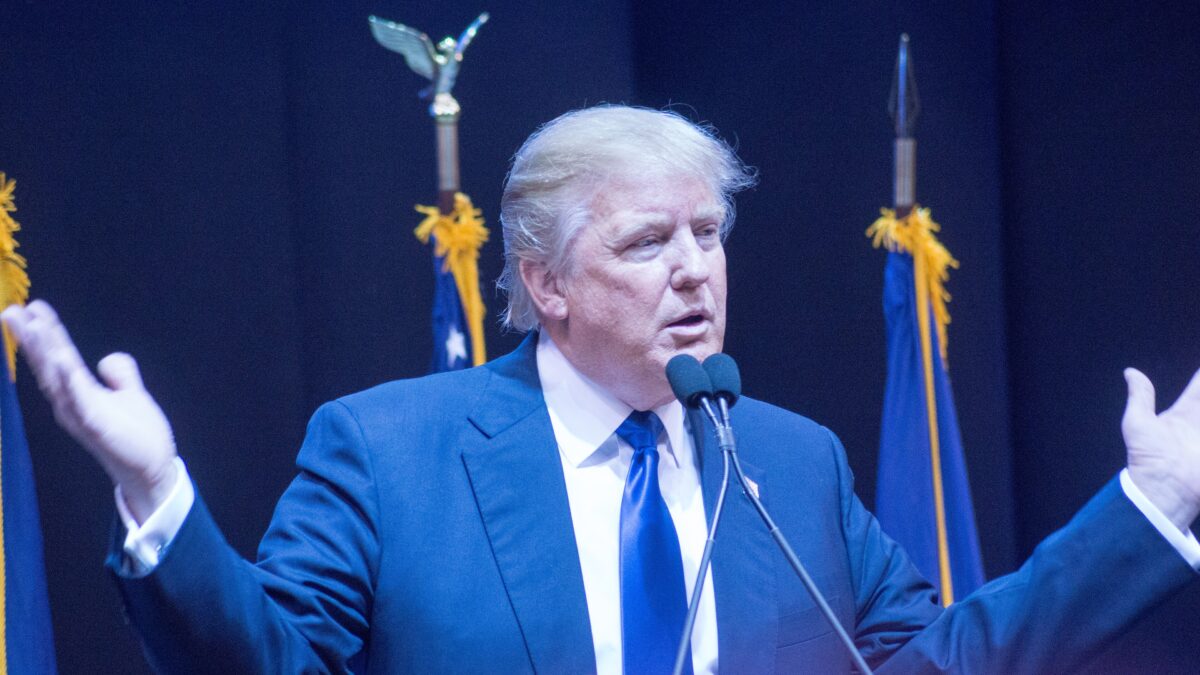
Trump said the United States has control over important financial tools that give Washington influence over Iran’s economy. He suggested that American economic power remains one of the strongest ways to pressure the Iranian government.
The president has frequently pointed to sanctions as a key part of his foreign policy strategy. His administration has supported restrictions targeting Iran’s oil exports, financial networks, and international economic access.
By limiting Iran’s ability to generate revenue and conduct international transactions, U.S. officials have argued that sanctions can weaken Tehran’s ability to fund military operations and support allied groups throughout the Middle East.
Trump’s latest comments suggest that economic pressure will remain central to his approach. Rather than relying only on military options, he has emphasized using America’s financial influence as a negotiating tool.
A New Chapter in the U.S.-Iran Conflict
Relations between the United States and Iran have remained tense for decades, with disagreements involving nuclear development, regional influence, and military activities.
One of the biggest turning points came when Trump withdrew the United States from the 2015 Iran nuclear agreement during his first term. The deal, known as the Joint Comprehensive Plan of Action, had placed restrictions on Iran’s nuclear program in exchange for sanctions relief.
After leaving the agreement, the Trump administration launched a “maximum pressure” campaign designed to isolate Iran economically and push its leaders toward a broader agreement.
Iran responded by increasing some nuclear activities beyond the limits established under the original deal, while continuing to reject what it described as excessive U.S. demands. The issue remains one of the most challenging foreign policy questions facing Washington.
Iran’s Economy Remains Under Heavy Pressure
Iran has faced years of economic challenges connected to international sanctions and domestic difficulties. Restrictions on oil exports have affected one of Iran’s most important sources of revenue. The country has attempted to maintain trade relationships with partners such as China and Russia while finding ways to reduce the impact of American sanctions.
However, U.S. officials have argued that sanctions continue to limit Iran’s economic options. Trump’s comments reflect his belief that economic pressure can force Tehran to reconsider its policies. Supporters of this approach argue that Iran’s government must face consequences before it will negotiate seriously.
Critics, however, have argued that sanctions alone may not achieve long-term diplomatic goals and could increase tensions between the two countries.
Nuclear Program Remains at the Center of Dispute
Iran’s nuclear activities remain one of the main sources of disagreement between Washington and Tehran.
The United States has repeatedly said Iran must not develop nuclear weapons capability. Iranian officials have maintained that their nuclear program is intended for peaceful purposes, including energy and scientific research.
International monitoring efforts have struggled as tensions between Iran and Western governments have increased. Trump has argued that any future agreement must go beyond the previous nuclear deal and address broader security concerns, including Iran’s missile program and support for regional groups.
Iran has rejected demands it considers unacceptable and has insisted that any negotiations must respect its sovereignty and provide economic relief.
Middle East Allies Watch Washington’s Next Move
The situation has drawn close attention from U.S. allies across the Middle East. Countries including Israel and several Gulf nations have expressed concerns about Iran’s regional activities and missile capabilities. They have urged Washington to take a firm approach toward Tehran.
At the same time, other governments have warned that increased pressure could create additional instability in a region already facing conflicts and security challenges.
Any major change in U.S.-Iran relations could affect oil markets, military planning, and diplomatic relationships across the Middle East.
Trump’s Strategy Focuses on Strength and Negotiating Power
Trump has repeatedly described his foreign policy approach as one built around economic strength, military readiness, and negotiation from a position of power.
His supporters argue that a tougher stance prevents Iran from gaining additional influence and forces Tehran to consider agreements it might otherwise reject. They point to previous sanctions campaigns as evidence that economic pressure can bring countries back to negotiations.
Opponents argue that pressure without diplomacy can create unpredictable outcomes and make future agreements more difficult to achieve. The challenge for the administration will be balancing pressure with the possibility of negotiations.
What Comes Next for U.S.-Iran Relations
Trump’s latest remarks signal that Iran will remain a major foreign policy issue for his administration. The coming months could determine whether Washington and Tehran move toward renewed negotiations or enter another period of confrontation.
Much will depend on Iran’s response, the effectiveness of sanctions, and whether both sides believe diplomacy offers more benefits than continued escalation. The United States continues to hold significant economic influence through its financial system and global partnerships. Iran, meanwhile, continues to seek ways to reduce the impact of sanctions while maintaining its regional position.
The future of the relationship remains uncertain, but Trump’s message is clear: his administration believes economic leverage gives Washington a powerful advantage in dealing with Tehran. As tensions continue, the world will be watching whether that strategy leads to a new agreement or another cycle of conflict between the two longtime rivals.