7 Foods You’ve Probably Been Storing the Wrong Way
Your kitchen habits are probably built around convenience: toss produce in the fridge, leave pantry items on the counter, and move on with your day. But some foods have surprisingly specific storage preferences that can affect how they look, taste, and hold up over time.
The best way to store food is not always about choosing the fridge or the pantry. Temperature, airflow, moisture, light, and even ripeness can all change the outcome.
These seven everyday foods are worth a second look the next time you unpack groceries.
Tomatoes
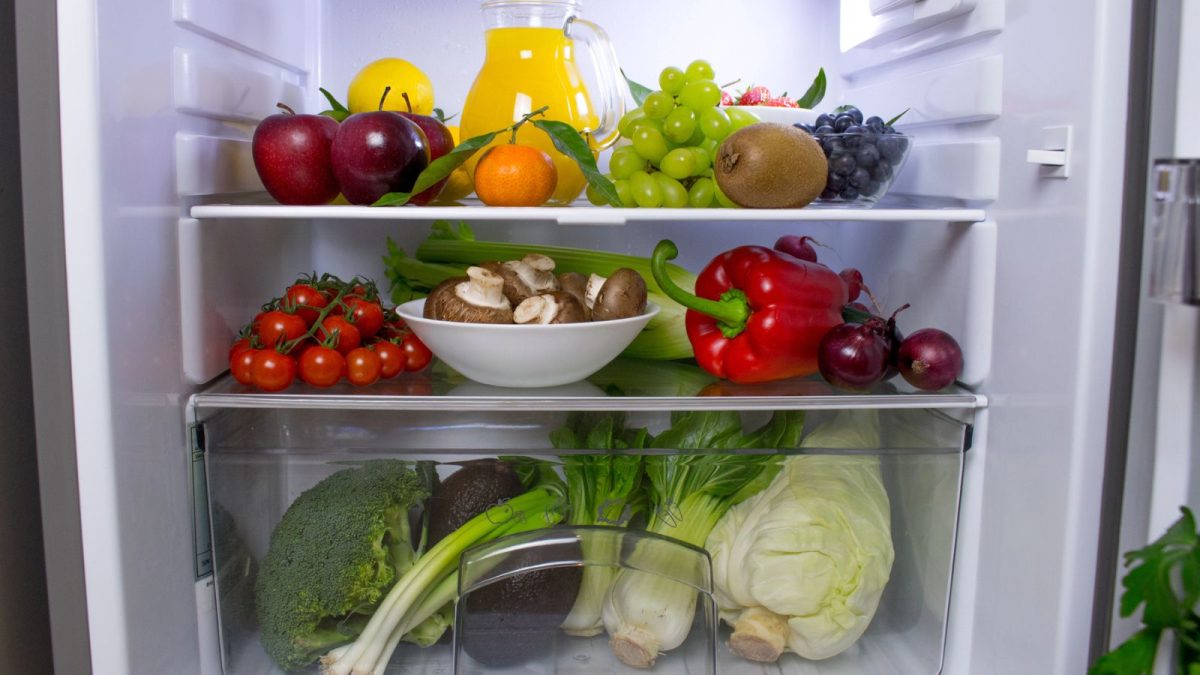
Tomatoes are one of the foods where storage depends on timing. A tomato that is still ripening usually does best at room temperature and away from direct sunlight. The UC Davis Postharvest Research and Extension Center identifies 65–70°F as a standard ripening range and notes that tomatoes are sensitive to prolonged exposure to temperatures below 50°F.
Putting an unripe tomato in the refrigerator too soon can interfere with the qualities people love most, including its flavor, color, firmness, and texture.
Once a tomato is fully ripe, the decision becomes more practical. If you plan to eat it right away, keeping it at room temperature can help preserve the best eating experience. If you need to slow down the ripening process for a little longer, a brief stay in the refrigerator can help delay over-ripening.
Potatoes
That bag of potatoes sitting under bright kitchen lights may not be in the best spot. Whole, uncooked potatoes generally keep their quality best in a dark, cool, well-ventilated place.
Airflow matters because tightly sealed containers can trap moisture, while prolonged light exposure can turn potatoes green and make them taste bitter. Penn State Extension recommends storing fresh potatoes in a ventilated container, such as a perforated plastic or paper bag, burlap bag, slatted box, or open basket.
Temperature matters, too. Penn State identifies approximately 45–50°F as the ideal range for home potato storage and cautions that temperatures below 40°F can cause some of the starch to convert to sugar. That change can make potatoes taste sweeter and darken more during frying.
However, recommendations are not completely uniform. The University of Minnesota Extension lists colder conditions for general long-term storage but recommends 40–50°F for potatoes intended for frying.
Bread
The refrigerator seems like a smart place for bread because it should help it last longer. But for many everyday loaves, refrigeration can actually change the texture and make bread become stale more quickly.
If you plan to eat bread soon, keeping it at room temperature in its original packaging, closed tightly, is usually the better approach for maintaining its texture. For bread you will not use quickly, freezing is often a better long-term option than storing it in the refrigerator.
Of course, breads are not all identical. Homemade loaves, commercial breads, and specialty bakery products can have different storage needs. But for the average loaf sitting on the kitchen counter, the fridge is not always the upgrade people expect.
Fresh Mushrooms
Fresh mushrooms are a great example of how packaging can make a difference. While mushrooms are often sold in breathable containers, the storage strategy changes once that packaging is opened.
Keeping fresh mushrooms in their original breathable package while it is intact can work well. After opening, or when buying loose mushrooms, a porous paper bag is often a better choice than sealing them tightly in plastic.
The reason is balance. Mushrooms can lose quality when too much moisture gets trapped, but leaving them completely uncovered can allow them to dry out. A paper bag helps create a middle ground by allowing excess moisture to escape while offering some protection.
When figuring out how to store mushrooms, the goal is not simply “covered” or “uncovered.” It is finding the right amount of airflow.
Fresh Basil
Basil is the herb that challenges the “just refrigerate everything” habit. Fresh sweet basil can be handled more like a bouquet of flowers than a typical refrigerated vegetable.
For short-term storage, trim the stems and place the basil in a glass or jar of water at room temperature. Keep it away from direct sunlight, and it can stay in good condition for everyday cooking.
The reason this works better for many basil leaves is that cold temperatures can affect basil’s appearance and quality. However, storage advice is not completely uniform. Some guidance supports refrigerated storage for longer periods, especially when basil is covered and stored carefully.
For most home cooks using basil within a short window, the countertop jar method is a strong option. It is also a reminder that not every fresh herb follows the same storage rules.
Apples
A bowl of apples on the counter looks inviting, but it may not be the best place for your entire apple supply. If you plan to eat them within a few days, room-temperature storage can be perfectly practical.
For longer storage, the refrigerator is usually the better choice. Utah State University Extension recommends keeping apples in the refrigerator’s crisper drawer or in an unsealed plastic bag. It notes that apples held at room temperature gradually lose crispness and flavor and begin to shrivel.
Apples also release ethylene, a natural ripening gas that can influence nearby produce. The practical concern is greatest when apples and ethylene-sensitive foods share an enclosed drawer, bag, or storage space for an extended period.
That does not mean every apple needs to be kept in complete isolation. In fact, apples can be placed near unripe climacteric fruits when faster ripening is the goal. But if extending produce quality is the priority, some separation is helpful.
Nuts
That opened bag of nuts in the pantry might be fine for quick use, but long-term storage requires a little more thought. Heat, light, and oxygen can gradually affect the flavor and aroma of nuts.
For nuts you plan to use regularly, a tightly closed package in a cool, dark cupboard can work well. For bulk purchases or nuts that will sit around longer, a well-sealed container or freezer bag in the freezer can help preserve quality.
Refrigeration is another option for shorter storage periods. The best choice depends on how quickly you go through them and whether you are storing whole nuts, shelled nuts, or chopped pieces.
Good storage is not about making your kitchen complicated. It is about giving each ingredient the conditions where it keeps its best qualities. A few small changes can make everyday groceries taste better and stay useful longer.