8 Foods You Usually Shouldn’t Store in the Refrigerator
Many home cooks have one simple rule: if you want food to last longer, put it in the refrigerator. It makes sense. Cold storage helps protect many foods, but the refrigerator is not automatically the best place for everything in your kitchen.
Some whole foods and pantry staples are better kept somewhere else because cold temperatures can affect their texture, flavor, or natural ripening process. The key is knowing which foods benefit from room-temperature storage and when the refrigerator actually becomes useful.
Here are eight everyday foods that usually do better outside the fridge, along with the exceptions that matter.
Raw Potatoes
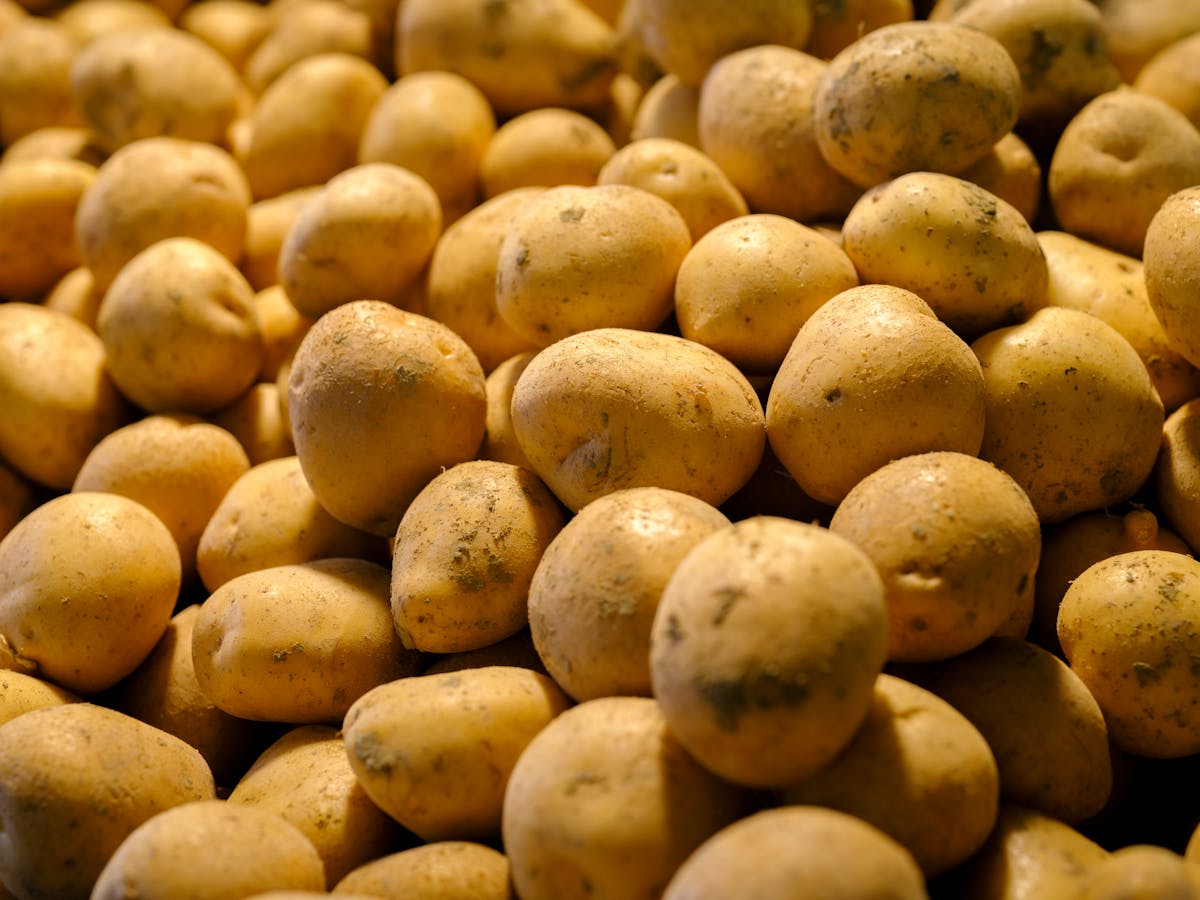
A bag of potatoes often ends up tucked into the refrigerator because it feels like the safest place to keep produce. But whole, raw potatoes are generally better stored in a cool, dark, dry area with good airflow.
FoodKeeper recommends pantry storage for whole potatoes and notes that refrigeration can lead to quality changes, including potatoes becoming darker when cooked and developing a sweeter taste than expected. Oregon State University Extension also lists raw potatoes among foods that are better kept out of the refrigerator.
This advice applies to whole potatoes. Cut potatoes, cooked potatoes, and prepared potato dishes are different and should be stored appropriately after preparation.
Mature Dry Onions
Whole onions are another kitchen staple that usually belongs in a pantry or another cool, dry, well-ventilated spot rather than the refrigerator.
Oregon State University Extension recommends storing mature dry onions away from moisture and explains that refrigeration can create unwanted quality changes, including changes to flavor.
The important detail is that this applies to intact mature onions, not every type of onion product. Once onions are cut or cooked, they require different storage. Green onions and other fresh onion varieties should not automatically be treated the same way as mature dry onions.
Winter Squash
Large winter squash can take up a lot of space, which sometimes leads people to move them into the refrigerator. In most cases, that is unnecessary.
Whole winter squash generally keeps better in a cool, dry place with airflow, away from direct sunlight and damp conditions. Oregon State University Extension identifies raw winter squash as a food where refrigeration may lead to quality changes, including flavor changes.
This recommendation applies to intact, mature squash such as butternut, acorn, spaghetti, Hubbard, and kabocha varieties. Once winter squash has been cut or cooked, refrigeration becomes the better choice for storage.
Bread
Bread is one of the most common foods people refrigerate, especially when they want to make a loaf last longer. But refrigeration is not always the best move.
Oregon State University Extension notes that bread can become stale faster at refrigerator temperatures and recommends freezing bread for longer storage instead.
For short-term use, many loaves are better kept in a bread box, cupboard, or another cool, dry location. In especially warm or humid homes, some people may choose refrigeration as a practical option, but it can come with a trade-off: slower mold development but faster staling.
Honey
A jar of honey may seem like something that belongs in the refrigerator because it is a sweet pantry item that people want to preserve. In reality, room-temperature storage is usually preferred.
Oregon State University Extension advises keeping honey tightly closed at room temperature in a cupboard away from heat and direct light. Refrigeration can encourage sugar crystallization, which changes honey’s texture and consistency.
Crystallized honey is not the same as spoiled honey. The practical kitchen takeaway is simple: keeping honey in a cupboard usually makes it easier to use in its original form.
Whole Tomatoes
Tomatoes are one of the foods where timing matters. Whole tomatoes are generally best left at room temperature while they finish ripening.
FoodKeeper’s tomato-storage guidance lists pantry storage as the USDA recommendation and notes that refrigeration may affect tomato flavor. Oregon State University Extension also explains that while refrigeration can extend storage, it may come with a quality trade-off.
This does not mean tomatoes can never go in the refrigerator. Fully ripe tomatoes may be refrigerated when needed to extend their usable life. Once tomatoes are sliced or cut, they should be refrigerated according to appropriate food-storage practices.
Bananas
A bunch of bananas on the counter is a familiar sight in many kitchens, and there is a reason. Bananas are generally kept at room temperature while they ripen.
Oregon State University Extension lists bananas among foods that should not generally be refrigerated, reflecting how cold temperatures can interfere with the normal ripening process before they are ready to eat.
The exception comes once bananas are fully ripe. Refrigeration can be used to slow additional ripening, although the peel may darken. Cut bananas should also be refrigerated rather than left out.
Whole Avocados
An avocado that is still firm and not ready to eat usually belongs on the counter, not in the refrigerator.
Oregon State University Extension lists avocados among foods that should not generally be refrigerated because cold storage can slow the ripening process. Keeping whole, unripe avocados at room temperature allows them to reach the stage where they are ready to use.
Once an avocado is ripe, refrigeration can help slow further softening. Cut avocado should also be refrigerated and covered appropriately.
The refrigerator is one of the most useful tools in any kitchen, but it is not a universal storage solution. Knowing when to leave foods on the counter or in the pantry can help preserve the quality and everyday enjoyment of the ingredients you use most.