10 Most Expensive Fruits in the World That Cost More Than a Luxury Dinner
A piece of fruit can sometimes be more than a snack. In some parts of the world, especially Japan, it can become a luxury gift, a symbol of craftsmanship, and even a headline-making purchase worth thousands of dollars.
Most people think of fruit as an affordable grocery item picked up during a weekly shopping trip. But at the high end of the market, certain fruits are treated almost like fine art. Perfect shape, flawless color, careful growing methods, and limited availability can turn ordinary produce into a luxury experience.
Before looking at the list, it helps to understand one thing: “most expensive” doesn’t always mean a normal shopper will find these prices at a local store. Many of the biggest numbers come from seasonal auctions, where buyers pay extra for publicity, celebration, or brand recognition. Those auction prices differ greatly from everyday retail prices.
Yubari King Melon
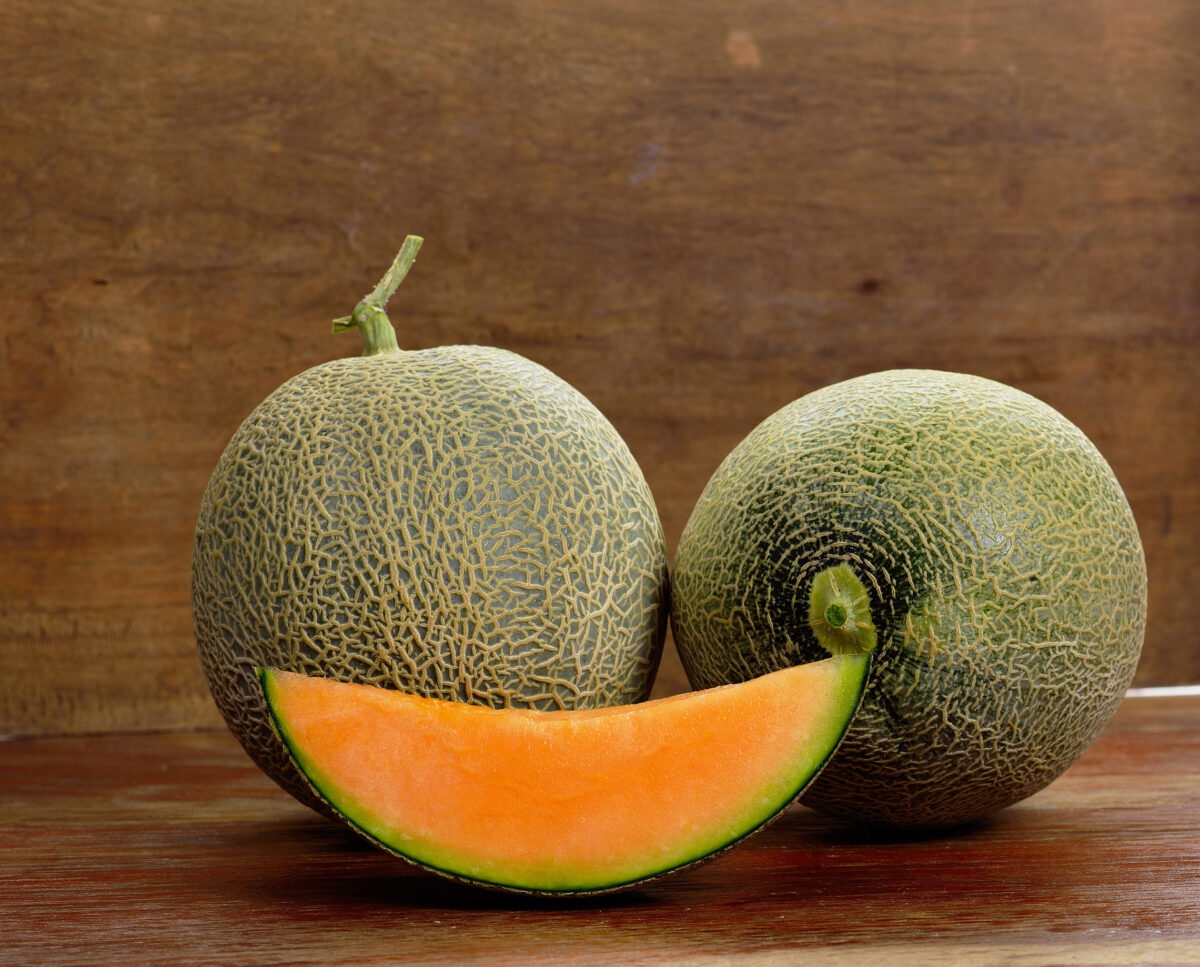
The Yubari King melon from Hokkaido, Japan, sits at the top of many luxury fruit conversations. This premium melon is known for its sweet orange flesh, beautiful netted skin, and strict quality standards.
While some Yubari melons can start around ¥5,000 in stores, the biggest headlines come from seasonal auctions. In May 2026, a pair of Yubari melons sold for ¥5.8 million at Sapporo’s first auction, setting a record.
That eye-catching price was not simply about eating a melon. These first auctions often combine tradition, marketing, and prestige, making the fruit valuable as a symbol as much as a food item.
Ruby Roman Grapes
Ruby Roman grapes look almost like small pieces of jewelry. Grown in Ishikawa Prefecture, Japan, these large red grapes are carefully graded to meet strict standards.
A regular premium bunch can cost around ¥10,000 during peak season, but special auction lots can reach far higher. In 2023, one bunch sold for ¥1.6 million at a first auction.
The appeal comes from their size, appearance, limited supply, and reputation as a luxury gift. Instead of being tossed into a fruit bowl, these grapes are often presented in elegant boxes for special occasions.
Densuke Watermelon
Watermelons are usually associated with summer picnics and backyard gatherings, but the Densuke watermelon offers a very different image.
Grown in Tōma, Hokkaido, this watermelon is famous for its nearly black rind and limited production. A normal shipment price reference from 2014 placed some Densuke melons around ¥5,000, but a special 7.7-kilogram melon reached ¥650,000 at auction in 2008.
Its rarity and unusual appearance helped turn it into one of Japan’s most recognizable luxury fruits.
Taiyo no Tamago Mango
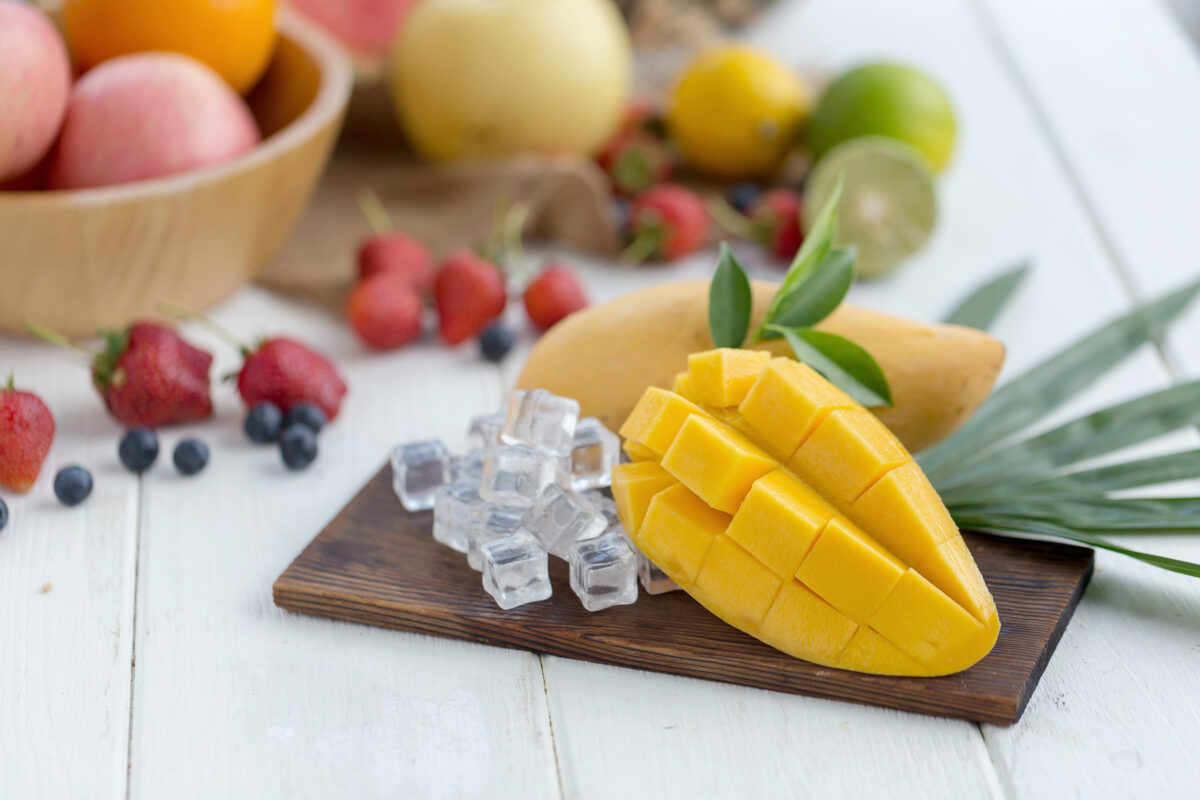
The Taiyo no Tamago mango, which means “Egg of the Sun,” is a premium mango brand from Miyazaki Prefecture.
These mangoes aren’t expensive just because they are mangoes. They must meet strict standards involving size, sugar levels, and skin color. Premium gift boxes can sell for tens of thousands of yen, while a pair reached ¥500,000 at a Miyazaki auction.
The fruit is usually sold in beautiful packaging and purchased as a luxury gift rather than an everyday treat.
Bijin-hime Strawberry
Strawberries are usually one of the more affordable fruits, but Bijin-hime strawberries are in a completely different category.
Meaning “Beautiful Princess,” this Japanese strawberry variety is famous for producing extremely large berries. Some reported sales have reached about ¥50,000 for a single strawberry.
The price comes from years of careful development, limited production, and the novelty of receiving one enormous, perfectly presented berry instead of a regular box of strawberries.
Crown Melon
Crown melon, a luxury muskmelon from Shizuoka, represents the elegance of Japanese gift fruit culture.
These melons are prized for their appearance, fragrance, sweetness, and careful cultivation. High-end examples have been listed around ¥14,000 to ¥21,600 each at upscale fruit retailers.
Unlike auction-famous fruits, Crown melons show how premium fruit can command high prices through quality and presentation alone.
Shine Muscat Grapes
Shine Muscat grapes have become one of Japan’s most popular luxury fruits. They are seedless, crisp, and known for their premium presentation.
High-end department stores have sold bunches for around $100, showing strong demand for carefully grown grapes.
Their popularity has also created challenges, including concerns about protecting premium fruit varieties from unauthorized copying.
Sekai Ichi Apple
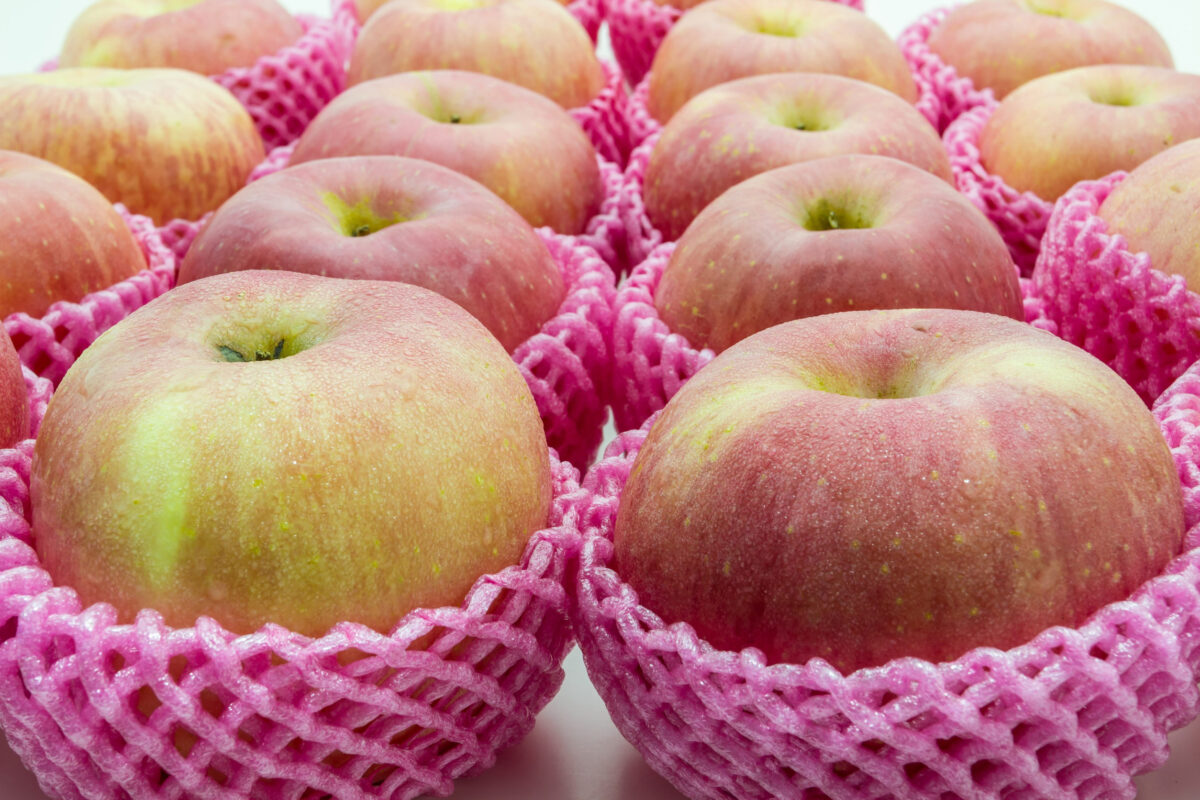
The Sekai Ichi apple draws attention for its size, appearance, and careful production methods.
Some specialty produce sellers list these apples at more than $21 each. Growers use detailed methods such as hand pollination, careful thinning, and strict selection to create uniform, attractive fruit.
It is less about a dramatic auction moment and more about the effort behind every apple.
Kaga Shizuku Pear
Kaga Shizuku pears from Ishikawa Prefecture show that luxury fruit is not limited to melons and grapes.
A premium six-pear box reached ¥170,000 at a 2023 first auction. Like many luxury fruit sales, the price reflects careful grading, limited availability, and the importance of gift presentation.
Buddha-Shaped Pear
The Buddha-shaped pear from China proves that appearance can completely change how people view fruit.
Instead of being a special variety, these pears are grown inside molds that shape them into a Buddha-like figure. Reports have placed typical prices around $8 to $9 per pear.
While it is far cheaper than Japan’s auction stars, it shows how creativity and symbolism can transform a simple piece of produce into something people are willing to pay more for.
Luxury fruit is ultimately about more than taste. These fruits represent careful farming, presentation, tradition, and the idea that even everyday foods can become extraordinary when enough craftsmanship goes into creating them.