The Pasta Rule That Makes Almost Any Sauce Taste Better
Choosing pasta is not just about grabbing the shape you like it is about matching the pasta to what you are putting on it.
Walk into a supermarket, and the pasta aisle can feel like a small maze: spaghetti, linguine, penne, rigatoni, fusilli, shells, orecchiette, pappardelle, ravioli, and dozens more. It is easy to assume they are interchangeable, but the shape, thickness, ridges, and hollows all affect how sauce reaches your fork.
The good news is you don’t need to memorize hundreds of Italian combinations. Once you understand a few simple rules, choosing the right pasta becomes almost automatic.
Start With the Sauce, Not the Pasta
The easiest way to choose pasta is to look at the sauce and ask one question: how heavy is it?
Light sauces made with olive oil, garlic, herbs, seafood, or delicate vegetables generally work beautifully with long, relatively thin pasta. Spaghetti, linguine, and other long strands let a lighter sauce coat the noodles without overwhelming them. Barilla, for example, recommends spaghetti for tomato sauces, seafood, oil-based sauces and carbonara.
Rich sauces need something more substantial. A slow cooked meat ragù has enough weight to stand up to wider ribbons such as tagliatelle or pappardelle. In contrast, a chunky tomato or meat sauce can work particularly well with ridged tubes such as rigatoni.
That basic principle, light sauce with delicate pasta, substantial sauce with substantial pasta—will solve a surprising number of pasta-night dilemmas.
When You Want the Sauce to Hide in Every Bite
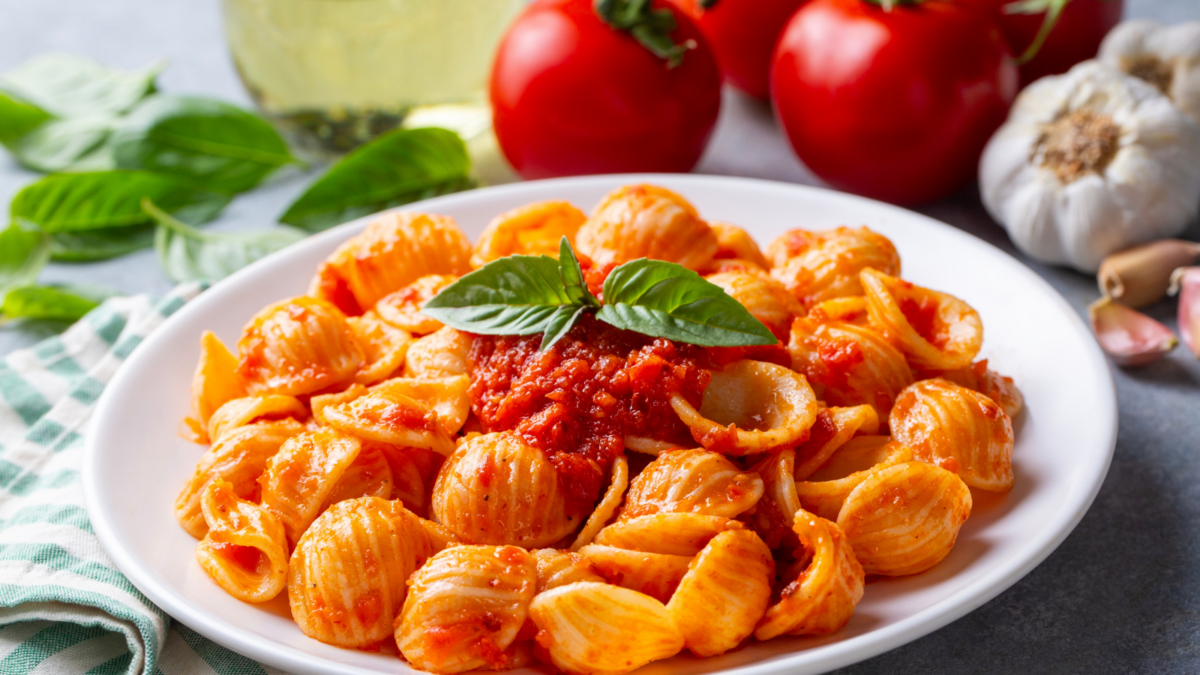
If your sauce contains little pieces of meat, vegetables, cheese, or herbs, choose a shape with somewhere for those ingredients to collect.
This is where short, twisted and ridged pasta becomes incredibly useful. Fusilli and similar spirals have grooves and curves that catch smaller pieces, while shells create little pockets for sauce to settle into.
Orecchiette is another clever choice. Its small, cupped shape can hold vegetables and bits of sauce, which is one reason it works so naturally with dishes such as broccoli rabe and sausage.
Eataly’s guide to matching pasta with sauce follows the same basic logic: twisted shapes work well with sauces containing small ingredients, while tubular pasta can capture sauce both inside and outside.
Tubes Are Made for Hearty Sauces
When the sauce is thick, chunky, or designed to cling, reach for a tube.
Penne, rigatoni, ziti, and similar shapes work well with robust sauces because their hollow centers trap sauce while their surfaces provide extra places for it to cling. Ridged versions are especially useful with substantial sauces.
Rigatoni is particularly well suited to ragù, baked pasta and other hearty dishes. Penne can handle tomato sauces, creamy sauces, and vegetable-heavy combinations, while larger tubes such as paccheri pair well with substantial sauces or can be stuffed and baked.
That is why simply swapping spaghetti for rigatoni can change the eating experience, even when the sauce stays the same.
Creamy Does Not Always Mean the Same Pasta
A creamy sauce needs pasta that can carry its richness without turning every bite into a heavy mouthful.
For a smooth cream sauce, fettuccine and other broad ribbons can provide plenty of surface area for the sauce. But a lighter cream sauce can also work beautifully with shorter shapes, especially when vegetables or mushrooms are involved.
For cheese-based sauces such as cacio e pepe, spaghetti or bucatini are classic choices. Bucatini’s hollow center gives it a different texture from ordinary spaghetti while still working with sauces that need a long strand.
The important thing is not to treat “creamy” as one category. A silky cheese sauce, mushroom cream sauce, and chunky cream-based vegetable sauce can all benefit from different shapes.
Fresh, Filled and Baked Pasta Play by Different Rules
Some pasta already brings so much flavor and texture that the sauce should take a step back.
Fresh stuffed pasta such as ravioli and tortellini contains its own filling, so a simple butter-and-sage sauce, olive oil, light cheese sauce, or broth can let the filling remain the star. Pouring an extremely heavy ragù over delicate stuffed pasta can bury the flavors you chose it for.
Baked dishes are different again. Rigatoni, penne, ziti, and shells can withstand the oven particularly well, especially when combined with tomato sauce, cheese, and other substantial ingredients.
These choices fit naturally into everyday kitchen habits because having a few dependable shapes in the cupboard gives you options without needing to shop for a different pasta every time you make dinner.
Do Not Forget Pasta Texture
The sauce is only half the equation; the pasta itself should still have a satisfying bite.
Cook dried pasta until al dente rather than letting it become soft and limp. More importantly, finish many pasta dishes in the sauce instead of simply dumping sauce over drained noodles.
Barilla’s pasta-cooking guide recommends reserving some starchy cooking water and finishing the pasta with the sauce. That water helps loosen the sauce as the pasta continues cooking and lets it cling more effectively.
Do not rinse hot pasta unless you are preparing a cold pasta salad. Washing away the surface starch can make it harder for the sauce to cling.
The Five-Second Pasta Rule
Before reaching for the packet, look at what is going into the pan.
Thin and light? Choose spaghetti or linguine. Rich and meaty? Think pappardelle, tagliatelle, or rigatoni. Chunky vegetables or small pieces? Try fusilli, shells or orecchiette. Thick and saucy? Pick a ridged tube. Stuffed pasta? Keep the sauce relatively simple.
Once you start thinking this way, choosing pasta becomes less about following rigid rules and more about creating balance. Even the ingredients you pair with pasta can contribute to a satisfying, energy-friendly meal when you build the dish thoughtfully.
So, the next time you make pasta, will you choose the sauce first and let it decide the shape?