The Secret to Perfect Dumplings? It’s All in the Dough, Filling, and Fold
The best dumplings are tender, juicy, properly sealed, and cooked so the wrapper has just the right bite.
Few foods are as satisfying as a plate of freshly made dumplings. Whether they are steamed momo, pan-fried pot stickers, boiled jiaozi, or another regional variation, the magic comes from the contrast: delicate dough outside, flavorful filling inside, and a sauce that brings everything together. Although dumplings look simple, a few small details make the difference between beautifully plump parcels and wrappers that split, stick, or turn soggy.
Start With Dough That Behaves
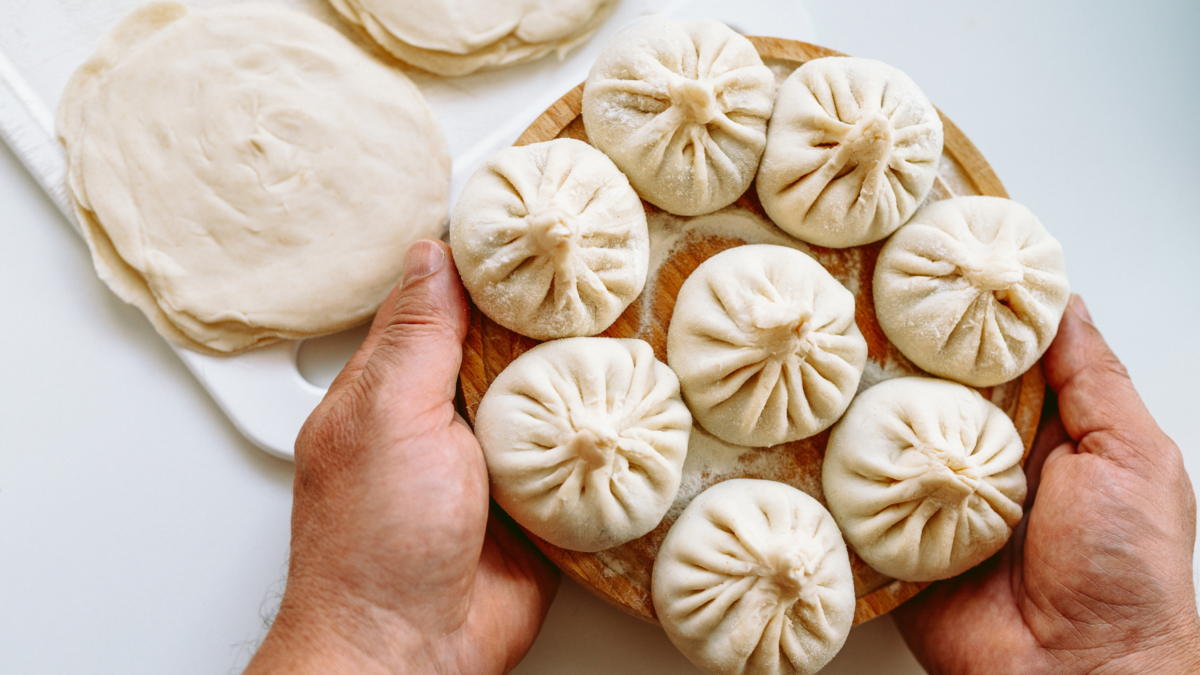
A good wrapper should stretch without tearing and stay strong enough to hold the filling.
For many Asian-style dumplings, you only need flour, water, and salt. After mixing and kneading, the dough needs time to rest so the gluten relaxes, making it easier to roll without constantly springing back. King Arthur Baking’s dumpling guide recommends making the wrappers slightly thinner around the edges than in the center, giving you a flexible rim for sealing while keeping the middle sturdy.
Keep unused dough covered while you work because exposed dough can dry quickly. If you are making a large batch, divide it into portions and work with one piece at a time. A supple wrapper is much easier to fold than dough that has been sitting uncovered on the counter.
Build a Filling That Stays Juicy
The ideal filling is moist and flavorful without releasing enough liquid to turn the wrapper soggy.
Ground pork, chicken, shrimp, mushrooms, cabbage, scallions, ginger, garlic, tofu, and herbs can all work beautifully. Salt and squeeze watery vegetables like cabbage before mixing; otherwise, their moisture can make the filling hard to contain. A little fat also helps meat fillings stay juicy when you bite into a hot dumpling.
Season the filling confidently, but remember the wrapper is mild and the dipping sauce will add salt, acidity, and heat. Preparing dumplings can also become one of those easy kitchen routines that makes meal prep social rather than rushed.
Don’t Overfill the Wrapper
The most tempting mistake is also one of the easiest ways to make a dumpling burst.
Place a modest amount of filling in the center and leave a clean border around the edge. Fold the wrapper over, gently press out obvious air pockets, and seal the edges firmly. You do not need elaborate restaurant-style pleats; a simple half-moon can be just as delicious as a beautifully crimped dumpling.
Keep finished dumplings separated on a lightly floured or parchment-lined tray. If the wrappers begin drying while you work, cover them loosely with a clean towel or plastic wrap. The goal is a surface that remains soft enough to seal without becoming sticky.
Choose the Cooking Method Carefully
Steaming, boiling, and pan-frying give the same dumpling completely different personalities.
Steaming produces a soft, delicate wrapper and keeps the filling’s flavor prominent. Boiling gives dumplings a tender exterior and works particularly well in broth or when served with sauce. Pan-frying creates the dramatic contrast many people love: a crisp, browned bottom underneath a soft, steamed wrapper.
Bon Appétit’s explanation of dumpling cooking methods describes steaming, boiling, and steam-frying as distinct techniques, with wrapper thickness, shape, and seal strength helping determine which method works best. For pan-frying, brown the bottoms in oil, add a little water, and cover the pan so steam cooks the top while the bottom crisps.
Give Them a Sauce With Personality
A good dipping sauce should sharpen the dumpling instead of covering up its flavor.
Try soy sauce with rice vinegar, chili oil, sesame oil, garlic, ginger, or a touch of sweetness. Fresh scallions, cilantro, cucumber, pickled vegetables, or a crisp salad can provide another layer of freshness alongside rich dumplings.
Momo show how important the accompaniment can become. Smithsonian’s history of Nepali momo describes them being served with spicy tomato-based achaar and notes that momo can be steamed, pan-fried, or deep-fried. The sauce isn’t merely decoration; it gives the finished dish its character.
Freeze Them for Future Meals
A homemade dumpling stash can turn a busy evening into a surprisingly good dinner.
Arrange uncooked dumplings in a single layer on a parchment-lined tray and freeze them until firm before transferring them to a freezer bag or container. Freezing them separately first prevents the wrappers from sticking together. When you are ready to cook them, you can generally cook them directly from frozen rather than letting them thaw and become sticky.
This is one reason dumplings are so useful beyond special occasions. A freezer full of homemade parcels gives you more variety in everyday meals without starting an entirely new recipe every evening.
The Best Dumplings Are Meant to Be Shared
The real pleasure may be the process as much as the finished plate.
Dumpling-making naturally lends itself to a kitchen full of people. One person can prepare the filling, another can roll wrappers, and everyone can fold their own creations while talking and tasting. That communal quality helps explain why dumplings endure across different food cultures.
Get the dough supple, keep the filling balanced, seal each parcel carefully, and choose a cooking method based on the texture you want. Would you rather master crisp-bottomed pan-fried dumplings, delicate steamed momo, or juicy boiled dumplings first?