7 Things You Should Never Do With Leftover Food
Leftovers are one of the easiest ways to make everyday cooking work a little better. A saved casserole, extra soup, takeout meal, or party dish can turn into another convenient meal instead of starting from scratch.
But keeping those foods ready for another serving takes more than simply putting a container in the refrigerator and hoping for the best. Small habits around cooling, storing, thawing, and reheating can make a big difference in how leftovers are handled.
Avoid these seven common mistakes, and you can make your leftover routine simpler and more organized.
Don’t Leave Leftovers on the Counter for Hours
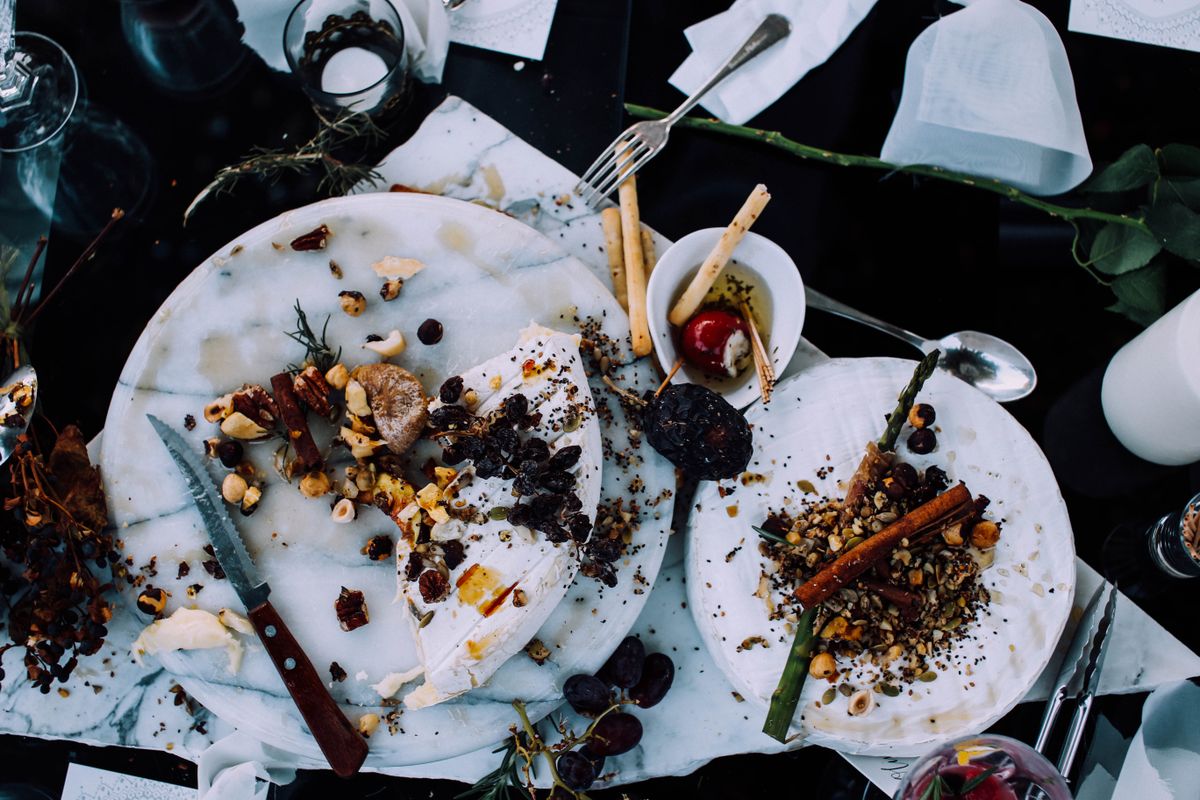
After dinner, it is easy to get distracted by cleaning up, conversations, or putting everything else away. A casserole may still be sitting on the table, or a box of restaurant takeout may be left unattended after everyone has eaten.
Perishable leftovers should be refrigerated within 2 hours. When the air temperature is above 90°F, that window becomes 1 hour. The FDA’s food-storage and refrigerator-safety guidance also advises refrigerating or freezing leftovers within that two-hour period.
This applies to many everyday foods people save, including home-cooked meals, restaurant takeout, and party food. Food that is being kept appropriately hot or cold is handled differently from food that is simply sitting out at room temperature. The goal is to avoid letting leftovers linger on the counter longer than recommended.
Don’t Wait for a Large Pot of Food to Cool Completely
One of the most common kitchen myths is that a large pot of food needs to sit out until it reaches room temperature before going into the refrigerator. That is not the approach to take with leftover soups, stews, or large batches of cooked food.
Instead, divide large quantities into smaller, shallow containers. Smaller portions can cool more quickly and are easier to store.
Hot food can go directly into the refrigerator rather than waiting on the counter. For foods like soups or stews, an ice-water bath can also help speed up the cooling process. The important habit is not leaving a large pot sitting out simply because you think it must cool completely first.
Don’t Treat the Back of the Refrigerator Like a Time Capsule
A refrigerator can make leftovers easier to save, but it does not mean cooked food should stay there indefinitely. Most refrigerated cooked leftovers should be used within 3–4 days.
A simple way to stay organized is to label containers with the date the food was cooked or brought home. That small step makes it easier to remember what should be used first.
If you know a leftover will not be eaten within that period, freezing can be an option. Just remember that refrigerated storage guidelines are different from properly frozen storage.
Don’t Thaw Frozen Leftovers on the Counter
Pulling frozen leftovers out and leaving them on the kitchen counter may seem convenient, but countertop thawing is not the recommended method.
The recognized ways to thaw leftovers are in the refrigerator, in cold water, or in the microwave. As the FDA explains in its safe food-handling guidance, food thawed in cold water or in a microwave should be cooked immediately.
Planning ahead can make this easier. Moving frozen leftovers into the refrigerator when you need them gives you a simple way to prepare them for reheating later.
Don’t Rely on the Sniff Test, or a Tiny Taste
Many people have opened a container of leftovers and tried to decide what to do based only on how it smells or looks. While these checks may tell you something about a food’s condition, they cannot prove that a leftover was handled properly.
A taste test is not a reliable way to decide whether questionable food is safe. Instead, pay attention to how the food was stored, how long it has been kept, and whether it stayed within the recommended handling guidelines.
Visible spoilage is a reason to discard food, but the absence of obvious changes does not confirm that the food was handled correctly.
Don’t Reheat Leftovers Until They Are Merely Warm
When reheating leftovers, warm is not the goal. Reheated leftovers should reach 165°F.
A food thermometer is the reliable way to check the temperature. This is especially useful when food has different thicknesses or when the center may heat more slowly than the outside.
For microwave reheating, covering food, stirring or rotating where practical, and allowing standing time can help distribute heat more evenly. Sauces, soups, and gravies have different guidance and should be brought to a boil when reheating.
Don’t Use a Slow Cooker to Reheat Cold Leftovers
A slow cooker can be useful for holding food that has already been heated, but it is not the recommended tool for bringing cold leftovers up to temperature.
Cold leftovers should first be reheated using a stovetop, microwave, or conventional oven until they reach 165°F. USDA guidance on slow cookers and food safety notes that reheating leftovers in a slow cooker is not recommended.
After that, a preheated slow cooker can be used to hold fully reheated food for serving. When using a slow cooker in this way, the food should remain at 140°F or above. The key difference is simple: a slow cooker can hold reheated food hot, but it should not be the method used to reheat leftovers straight from the refrigerator.
Leftovers are a practical part of everyday cooking, and a few smart habits can make storing and serving them much easier. By paying attention to cooling, storage, thawing, and reheating, you can get more from the meals you have already prepared.