5 Things Found in Your Yard That Are Illegal to Keep
Finding something unusual in your backyard can feel like discovering buried treasure. Maybe you spot a beautiful bird feather, an old animal skull, a strange metal object, or something that looks like an artifact from another century. Your first instinct might be to pick it up, take it inside, and show your family.
But hold on. Some things found in American backyards are protected by federal or state laws. Even if you find them on your own property, that doesn’t automatically mean you can keep them.
Wildlife protections, burial laws, and rules governing dangerous objects can make certain discoveries surprisingly complicated. Here are five things you might find in your yard that could get you into legal trouble if you decide to take them home.
Protected Bird Feathers, Nests, and Eggs
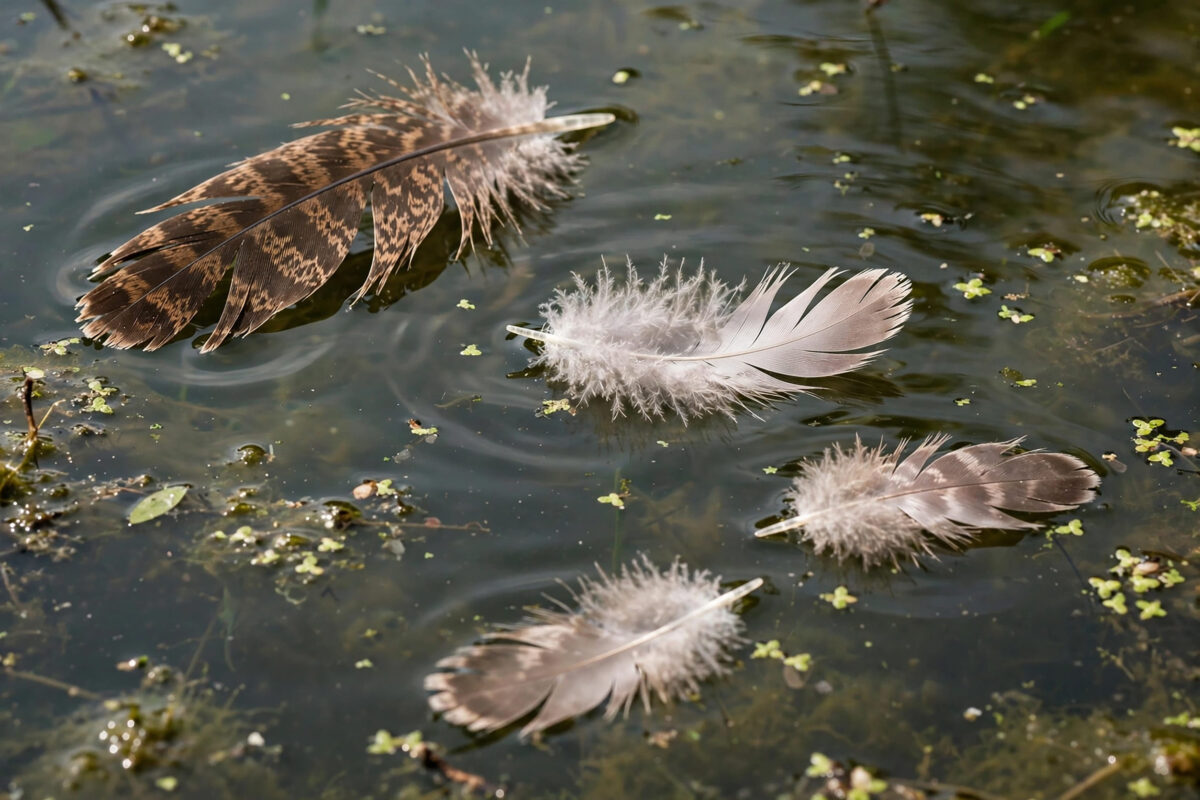
That beautiful feather lying beside your garden fence might look like a harmless souvenir. However, keeping it could violate federal wildlife laws.
The Migratory Bird Treaty Act (MBTA) protects more than 1,100 bird species in the United States. The law generally prohibits possessing, selling, transporting, or collecting protected migratory birds and their parts without proper authorization.
This includes feathers, eggs, nests, and even dead birds.
One surprising detail is that it does not necessarily matter whether the feather fell naturally or the bird died without human involvement. Finding it on your property does not automatically give you permission to keep it.
There are exceptions, though. Certain feathers from legally hunted migratory game birds may be retained under applicable rules. Authorized educational and research activities also have specific allowances.
Federal regulations also permit limited salvage of certain dead migratory birds. However, qualifying specimens must be donated to an authorized recipient or legally destroyed within seven calendar days. This is not permission to build a personal feather collection.
The consequences can be serious. An ordinary misdemeanor violation can carry a maximum fine of $15,000 and up to six months in prison.
So, if you discover an interesting feather during your afternoon gardening session, admire it without taking it home.
Wild Gopher Tortoises and Their Shells in Florida
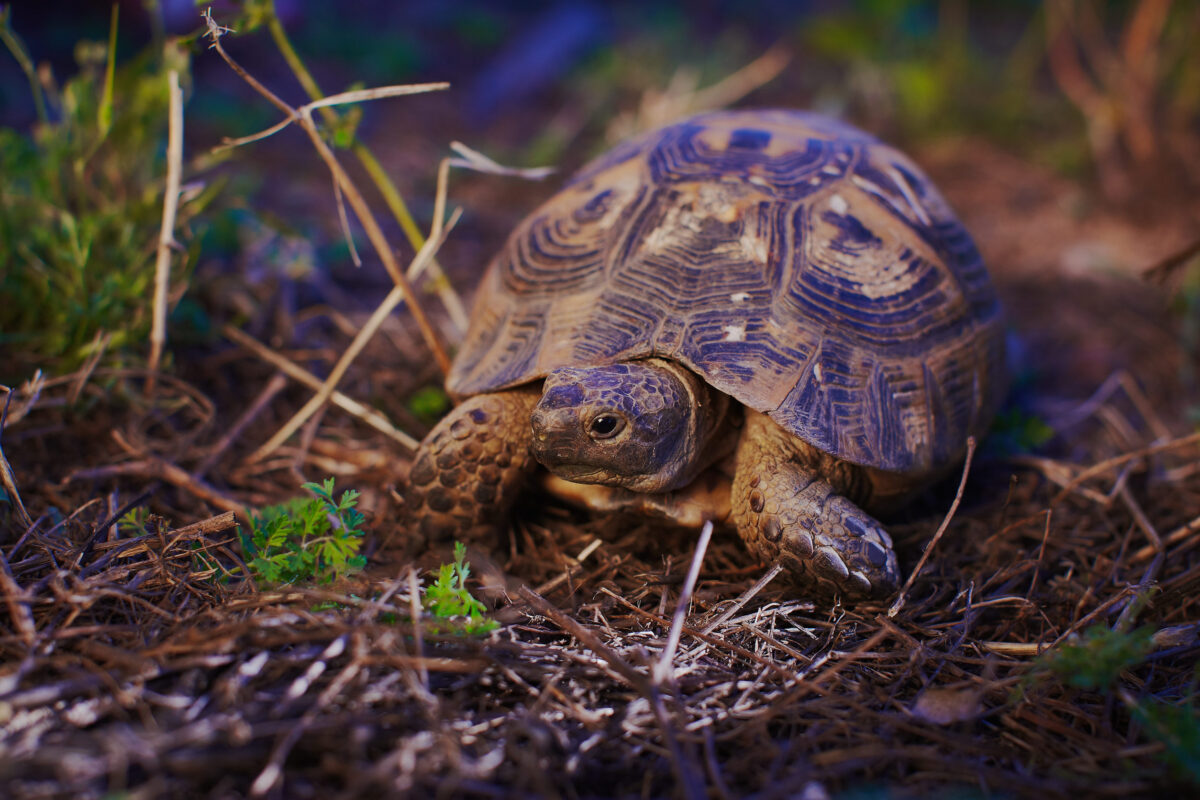
Imagine finding a small tortoise slowly walking across your lawn. It might seem like the perfect opportunity to give it a comfortable home in your garden.
In Florida, however, that decision could land you in trouble.
The gopher tortoise is a protected species, and Florida wildlife regulations prohibit unauthorized capture, possession, transport, sale, or harm to these animals. The restrictions also cover their eggs, shells, bones, and burrows.
According to the Florida Fish and Wildlife Conservation Commission (FWC), homeowners do not need a permit simply because a wild gopher tortoise lives naturally on their property.
The important distinction is between allowing the animal to live freely and taking it into your possession.
You cannot simply decide to turn a wild tortoise into a backyard pet. Collecting its shell or bones without authorization can also violate wildlife rules.
The rules matter even when you own the land. If a tortoise establishes a burrow in your yard, you generally cannot destroy it or relocate the animal without following the appropriate requirements.
FWC has documented cases involving people keeping wild gopher tortoises in residential properties. In one June 2021 enforcement report, officers found a tortoise being kept as a pet in a small pen at a residence. Possession charges were added.
The safest approach is simple: leave healthy tortoises alone. If you discover an injured animal, contact wildlife authorities or a licensed wildlife rehabilitator rather than attempting to keep it.
Human Bones and Objects From Unmarked Graves

This is probably the most disturbing discovery a homeowner can make.
Imagine digging a hole for a new tree and suddenly uncovering what looks like a human skull or skeletal remains. Your first reaction might be to pick it up, examine it, or move it somewhere safe.
Don’t.
Human remains and objects associated with unmarked graves are protected under various state laws. Florida, for example, has specific rules covering discoveries on both public and privately owned land.
Under Florida Statutes Section 872.05, activities that could disturb a newly discovered unmarked human burial must stop immediately. The district medical examiner must be notified, and work cannot resume without the appropriate authorization.
Knowingly and willfully disturbing, destroying, removing, or damaging an unmarked burial is a third-degree felony under the law.
This means owning the property does not give you unlimited freedom to excavate whatever you discover beneath it.
Another important distinction involves Indigenous remains and burial objects. Federal laws such as the Native American Graves Protection and Repatriation Act (NAGPRA) establish protections and repatriation requirements in applicable circumstances. However, the law does not automatically make every Indigenous artifact discovered on private property illegal to possess.
If you uncover something that looks like human remains, stop digging and contact the appropriate authorities. Don’t clean, rearrange, or remove the material.
A discovery that could become a serious investigation should never turn into a personal souvenir collection.
Old Grenades and Explosive Military Devices
An old grenade buried beneath your backyard might sound like something from a Hollywood action movie, but such discoveries do happen.
In June 2024, a homeowner in Cary, North Carolina, encountered a suspicious metal object while landscaping. The homeowner stopped the work and contacted authorities.
Investigators identified the object as an old grenade. An ordnance unit removed it, and a later scan also detected ammunition nearby.
Fortunately, the homeowner did the right thing by reporting the discovery instead of investigating it personally.
Federal law regulates certain explosive devices under the National Firearms Act. Destructive devices, including qualifying grenades and explosive bombs, fall under the law’s definition of firearms.
Under federal law, possessing a covered weapon that is not registered to the person possessing it is prohibited.
Violations can carry up to 10 years in prison, alongside potentially substantial fines.
However, not every old military-looking object is automatically an illegal weapon. Certain approved demilitarized dummy grenades and shell casings are treated differently under federal rules.
The bigger concern is safety. A rusty object is not necessarily harmless, and an old explosive device may still contain dangerous material.
If you discover something resembling a grenade, do not touch it, move it, or attempt to open it. Move away and contact local emergency authorities.
Whale Bones and Other Protected Marine Animal Remains
Living near the coast comes with interesting discoveries. A homeowner might find a large bone, unusual tooth, or other marine animal remains washed onto nearby property.
It might look like an impressive garden decoration or outdoor collection piece. Unfortunately, federal law protects some marine mammal remains.
The Marine Mammal Protection Act (MMPA) restricts the unauthorized collection, possession, sale, and transportation of protected marine mammals and their parts.
This can include whale bones, teeth, skulls, and baleen.
The rules are particularly important when dealing with stranded animals. NOAA Fisheries advises the public not to remove parts from stranded marine mammals, especially when soft tissue remains attached.
However, an important exception exists. Federal regulations allow the collection of certain bones, teeth, or ivory from qualifying non-endangered marine mammals found on beaches or land within one-quarter mile of the ocean, including certain bays and estuaries.
The required identification and registration procedures must be followed, and commercial trade is restricted.
This means not every marine animal bone found near the beach is automatically illegal to keep. The species, location, condition, and applicable permissions matter.
Knowing violations of the Marine Mammal Protection Act can carry up to one year in prison, as well as financial penalties and possible confiscation of unlawfully possessed items.
If you find marine animal remains, contact NOAA Fisheries or the appropriate wildlife agency before collecting anything.
Think Twice Before Taking That Backyard Discovery Home
Finding something unusual in your yard can be exciting, but curiosity should not turn into an expensive legal problem.
Rules around protected birds, tortoises, human remains, explosive devices, and marine mammals vary by object and location.
Remember, these examples do not represent a universal list of prohibited backyard discoveries. State laws differ, and some items have specific exceptions.
The best rule is to leave questionable discoveries where they are until you understand the applicable regulations. If something could be human remains or an explosive device, stop work and contact the appropriate authorities immediately.
Sometimes, the smartest treasure hunter is the one who knows when not to pick something up.