9 ‘Healthy’ Foods Covered in Cancer-Linked Chemicals And Pesticide Residues.
Fresh fruits, vegetables, and other health-focused foods are often promoted as essential parts of a balanced diet. However, researchers and food safety experts continue to examine concerns about pesticide residues found on some popular produce items.
For many people, the word “healthy” is closely associated with colorful fruits, leafy greens, nuts, and other natural foods. These foods are widely recommended because they contain vitamins, minerals, fiber, and plant compounds linked to better overall health.
But some of the same foods praised for their nutritional benefits have also appeared on lists highlighting higher levels of pesticide residues. The findings have raised questions among consumers about how food is grown, processed, and prepared before reaching supermarket shelves.
Experts emphasize that pesticide residues do not automatically mean a food is unsafe. Food safety agencies around the world set limits for pesticide use, and many studies show that eating plenty of fruits and vegetables remains an important part of a healthy diet.
However, researchers say reducing exposure to certain chemicals when possible can be a reasonable step, especially for people who want to make informed choices about the foods they eat.
Why Pesticide Residues Are Found on Some Foods
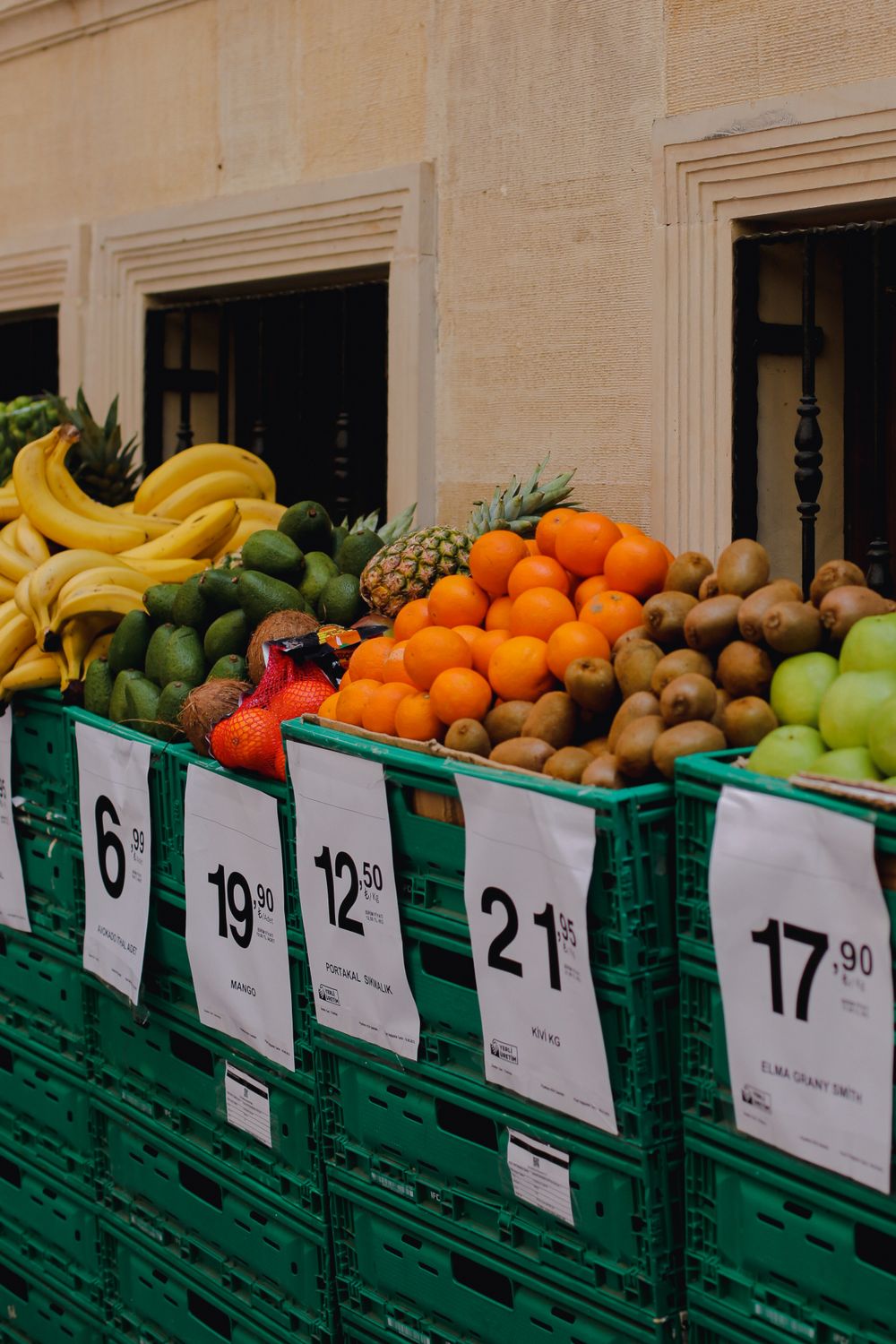
Pesticides are chemicals used in agriculture to protect crops from insects, weeds, fungi, and diseases. Farmers use them to improve crop production, reduce losses, and maintain food supplies.
While pesticides can help protect crops, some substances raise health concerns when people are exposed over long periods or at high levels. Certain chemicals have been studied for possible links to health problems, including hormonal changes, nervous system effects, and increased cancer risk.
Regulators carefully evaluate pesticides before approving their use and establish maximum residue limits designed to keep food consumption within safe levels.
Researchers studying food contamination often analyze produce samples to measure which pesticides are present and how frequently they appear.
The “Dirty Dozen” and Consumer Concerns
One of the most widely discussed pesticide-related food lists is the annual “Dirty Dozen,” a ranking created by the Environmental Working Group (EWG). This nonprofit organization analyzes government testing data.
The list identifies fruits and vegetables that, according to the group’s analysis, tend to contain higher levels of pesticide residues compared with other produce.
Food safety experts note that such rankings are not official safety warnings. Government agencies continue to state that conventionally grown fruits and vegetables that meet safety standards can be part of a healthy diet.
Still, the list has influenced consumer conversations about organic foods, washing practices, and agricultural methods.
Strawberries
Strawberries are often celebrated for their high levels of vitamin C, antioxidants, and fiber. However, they have frequently appeared on pesticide-residue concern lists.
Because strawberries grow close to the ground and have a delicate surface, protecting them from insects and disease can require careful agricultural management.
Researchers have detected traces of multiple pesticide compounds on some strawberry samples, though levels vary by farming practices and location.
Spinach
Spinach is considered a nutritional powerhouse because it contains iron, vitamins, minerals, and plant compounds associated with health benefits.
However, leafy vegetables can collect pesticide residues because their broad surfaces are exposed during cultivation.
Experts recommend washing spinach thoroughly under running water before eating it, whether raw or cooked.
Kale and Leafy Greens
Kale has become popular among health-conscious consumers because of its nutrient density and antioxidant content.
Despite its reputation as a “superfood,” kale and other leafy greens have been studied for pesticide residues. Insects are often attracted to leafy crops, which can lead farmers to use pest-control products during production.
Proper washing and sourcing from trusted suppliers can help reduce exposure.
Peaches
Peaches are another fruit frequently examined in pesticide studies.
Their soft skin and sweet flavor make them popular, but their surface can also retain chemical residues from agricultural treatments.
Some consumers choose organic peaches when available, while others focus on washing the fruit carefully before eating.
Apples
Apples are among the most commonly consumed fruits worldwide. They provide fiber, antioxidants, and important nutrients.
However, because apples can be vulnerable to insects and fungal problems, they may receive several treatments during the growing season.
Washing apples and removing the skin can reduce some residues, although peeling may also remove beneficial nutrients found near the surface.
Grapes
Grapes are valued for their antioxidants and natural plant compounds. They are also used to produce products such as raisins and wine.
Because grapes grow in clusters, pesticides may remain between individual fruits if you don’t wash them properly.
Consumers are encouraged to rinse grapes thoroughly before eating them.
Cherries
Cherries are rich in antioxidants and are often considered a nutrient-packed fruit.
However, their delicate nature means farmers may use crop protection methods to prevent damage from pests and diseases.
Testing programs have found pesticide residues on some cherry samples, though levels differ depending on farming conditions.
Nectarines
Like peaches, nectarines have thin skins that can be exposed to agricultural treatments.
They provide vitamins, minerals, and antioxidants, but some studies have found traces of pesticides on conventionally grown nectarines.
Cleaning the fruit before consumption remains an important food safety practice.
Pears
Pears are a good source of dietary fiber and natural plant nutrients.
However, pear trees can require protection from insects and fungal diseases, which may contribute to pesticide residue concerns.
Consumers can reduce potential exposure by washing pears carefully before eating.
Experts Say Fruits and Vegetables Remain Important
Despite concerns about pesticide residues, nutrition experts continue to emphasize that fruits and vegetables are essential components of a healthy eating pattern.
Research consistently shows that diets rich in plant-based foods are associated with many health benefits, including improved heart health and better nutrient intake.
Experts warn that fear of pesticides should not discourage people from eating produce altogether.
Instead, they recommend practical steps such as washing fruits and vegetables, eating a variety of foods, and choosing organic options when possible if reducing pesticide exposure is a personal priority.
A Growing Conversation About Food Safety
The debate over pesticides highlights the challenges of modern food production. Farmers must balance crop protection, affordability, and consumer expectations for safe, nutritious food.
As research continues, scientists are examining how agricultural practices can evolve to reduce chemical use while maintaining reliable food supplies.
For consumers, the message from many experts remains consistent: eating a wide variety of fruits and vegetables is one of the most important steps toward better health, while informed choices and proper food preparation can help reduce unnecessary exposure to contaminants.