The Kitchen Mistakes Almost Everyone Makes (And How to Fix Them)
Cooking at home improves with practice, but even experienced cooks can make mistakes that affect the taste, texture, and quality of their meals. Sometimes the problem isn’t the recipe itself, but small habits during preparation, cooking, or storage.
Common kitchen mistakes include overcooking ingredients, using the wrong amount of seasoning, handling knives incorrectly, overcrowding pans, and storing food improperly. While these errors are easy to make, they are also easy to correct. A few simple adjustments can help home cooks create better meals, save time, and feel more confident in the kitchen.
Here are some of the most common kitchen mistakes people make and how to fix them.
Overcooking Food and Losing Texture
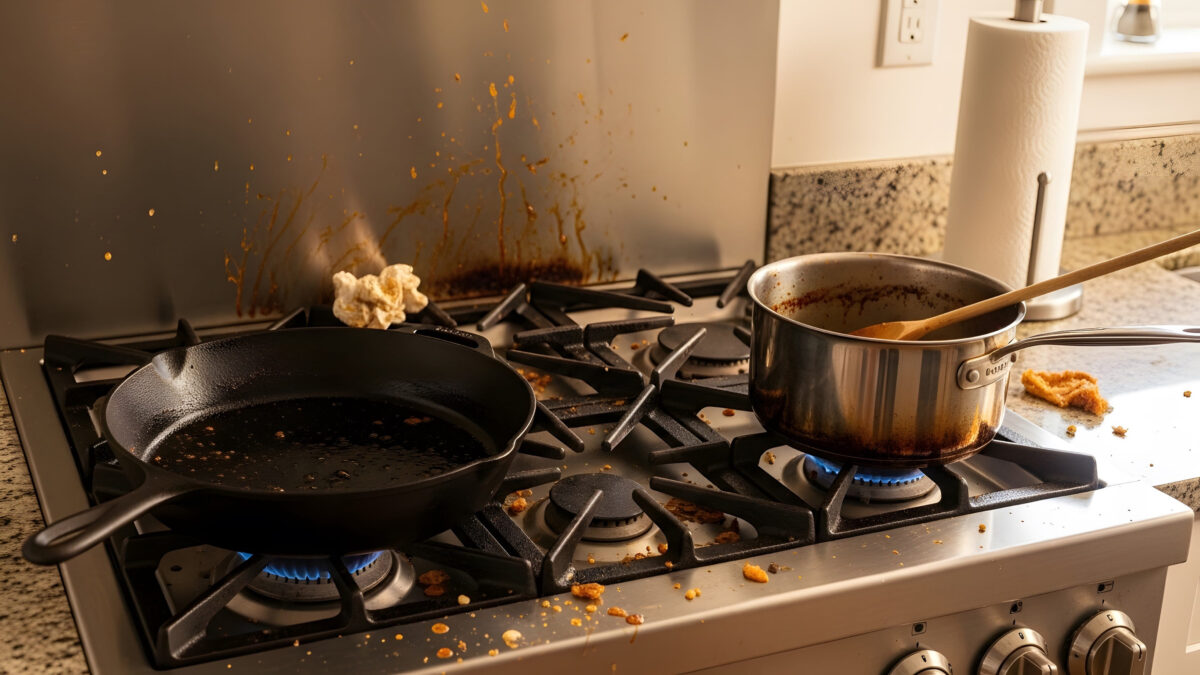
Overcooking is one of the most common mistakes home cooks make. Leaving food on the heat too long can change the texture, reduce flavor, and make ingredients less enjoyable. Vegetables such as broccoli, green beans, and asparagus can become soft and watery when overcooked, while meats may lose moisture and become dry or tough.
Different foods require different cooking times, and understanding how ingredients respond to heat is key to becoming a better cook. Vegetables often benefit from shorter cooking times that help maintain their color, texture, and natural flavor. Proteins also require attention because they continue cooking slightly even after being removed from heat, a process known as carryover cooking.
The best way to prevent overcooking is to watch cooking times closely and use tools that improve accuracy. A timer can help prevent food from staying on the heat longer than necessary, while a food thermometer can help you tell when meat has reached a safe temperature. Removing food from heat slightly before it reaches the final texture you want can also help because residual heat will continue the cooking process.
Adding Seasoning at the Wrong Time
Seasoning can completely transform a dish, but many home cooks struggle to know when and how much to add. Some people add too little seasoning throughout cooking, while others wait until the end and try to correct the flavor all at once.
Salt, herbs, spices, and acidic ingredients such as lemon juice or vinegar each affect food differently. Adding seasoning gradually during cooking often creates a more balanced flavor because ingredients have time to absorb and develop their taste.
Spices also lose their quality over time, especially when exposed to heat, moisture, light, and air. Improper storage can make spices less flavorful, even when you prepare the recipe well.
To improve seasoning, try building flavors slowly instead of adding everything at once. Taste your food as you cook and make small adjustments as needed. Store spices in a cool, dry place away from direct heat, such as the area next to the stove. Replacing old spices that have lost their aroma can also make a noticeable difference in your meals’ flavor.
Using a Dull Knife
A dull knife can make food preparation slower, less efficient, and potentially more dangerous. Many people believe a dull knife is safer because it does not cut as easily, but a dull blade often requires more pressure, which can make it harder to control.
A sharp knife allows for cleaner cuts and better control while preparing ingredients. Consistent cuts also help food cook more evenly because similarly sized pieces heat at the same rate.
Keeping knives sharp is an important part of kitchen maintenance. Regularly sharpening knives with a proper sharpener or having them professionally sharpened can improve both safety and performance. Using a stable cutting board and practicing good knife techniques, such as keeping fingertips curled away from the blade, can also reduce accidents. Taking your time while chopping, instead of rushing, can make prep safer and more enjoyable.
Skipping the Preheating Step
Many recipes include instructions to preheat the oven or heat a pan before cooking, but some home cooks skip this step to save time. This small shortcut can affect the final result.
An oven that has not reached the correct temperature may cook food unevenly, especially when baking. A cold pan can also prevent ingredients from developing the browning and texture that make dishes more flavorful. Proper heat helps create caramelization, crisp edges, and better overall results.
The easiest way to fix this mistake is to give your oven or cookware enough time to reach the proper temperature before adding ingredients. Follow the recipe instructions carefully, and avoid putting food into a pan that isn’t hot enough for the cooking method you’re using. Those extra few minutes of preparation can significantly improve the finished dish.
Overcrowding the Pan
Trying to cook too much food at once is a common mistake, especially during busy evenings. When a pan is overcrowded, ingredients release moisture and create steam instead of developing a browned, flavorful surface.
This problem often happens when cooking foods such as vegetables, mushrooms, chicken, or steak. Proper spacing allows heat to move around the ingredients and helps create better texture and flavor.
The solution is simple: cook in smaller batches when necessary. A larger pan can also give ingredients more space to brown properly. Avoid stirring too often, and let food sit long enough to develop color before turning or moving it around. A little extra patience can make a major difference in the final result.
Improper Food Storage
Food storage mistakes can affect freshness, quality, and safety. Many people store leftovers incorrectly by leaving food at room temperature too long or failing to organize items properly in the refrigerator.
Refrigerate perishable foods promptly to reduce the risk of harmful bacterial growth. Food safety experts recommend refrigerating leftovers within two hours, or within one hour when temperatures are above 90°F. Cooked leftovers are generally best consumed within three to four days when properly stored in the refrigerator.
Proper storage starts with the right containers and organized food. Store leftovers in shallow containers so they cool faster, and label containers with dates to track freshness. Keep raw meat separate from ready-to-eat foods to prevent cross-contamination. Maintaining a safe refrigerator temperature also helps protect food quality.
Not Reading the Recipe Completely
Starting a recipe without reading all the instructions is another common kitchen mistake. Many cooking problems happen because ingredients are missing, preparation steps are overlooked, or cooking times are misunderstood.
Some recipes require ingredients to come to room temperature, dough to rest, or certain components to be prepared in advance. Skipping these details can change the dish’s texture, flavor, and overall outcome.
A simple solution is to read the entire recipe before beginning. Taking a few minutes to understand the steps allows you to prepare ingredients, gather equipment, and manage your time more effectively. Organizing ingredients before cooking, often called “mise en place,” can make the process smoother and reduce unnecessary stress.
Ignoring the Importance of Tasting
One of the simplest ways to become a better cook is to taste food throughout the cooking process. However, many people prepare an entire dish without checking the flavor until it reaches the table.
Recipes provide helpful guidance, but ingredients can vary. Tomatoes may differ in sweetness, spices may vary in strength, and different brands of ingredients can affect the final taste.
Making tasting a regular habit can help improve every meal you prepare. Taste sauces, soups, and other dishes as they cook, then make small adjustments when needed. Add salt, herbs, spices, or acidic ingredients gradually so you can control the flavor balance. Paying attention throughout the cooking process allows you to create dishes that match your personal preferences.
Final Thoughts
Becoming a better cook does not require complicated techniques or expensive equipment. Often, the biggest improvements come from fixing small mistakes and building better kitchen habits.
By avoiding common errors such as overcooking food, seasoning incorrectly, using dull knives, overcrowding pans, and storing ingredients improperly, home cooks can create meals that are safer, more flavorful, and more enjoyable.
Cooking is a continuous learning process. Every mistake offers a chance to improve, and with practice, small changes can turn everyday meals into something truly special.