8 Everyday Items That Are Banned in Prison
A prison is one of the few places where an ordinary object can suddenly become a serious security concern. Something as simple as a phone charger, a bottle of mouthwash, or a pack of cigarettes may look harmless on the outside, but behind the walls, those same items can pose dangers, lead to debt, fuel black-market trade, or increase escape risks.
That is why prisons do not judge items only by what they are. They judge them by what they can become. A mirror can become a weapon, cash can become power, and a cell phone can turn a locked facility into an open line to the outside world.
Rules vary by state, facility, custody level, and prison system. Still, many everyday items are banned or tightly controlled across correctional facilities because prison officials see them as threats to safety, order, or security.
Cell Phones
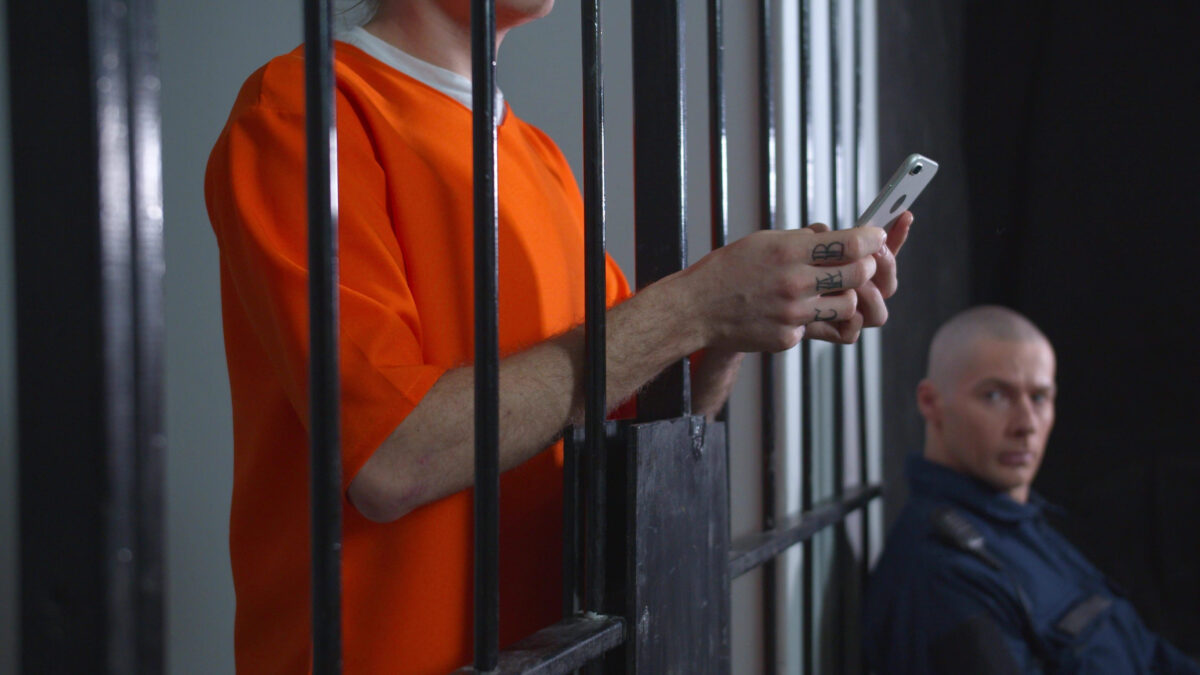
Outside prison, a cell phone is barely treated like a luxury anymore. People use it to call family, pay bills, check directions, take photos, watch videos, and keep their entire life in one small device. Inside prison, however, a phone can become one of the most dangerous pieces of contraband.
The concern is not just that someone may call a friend without permission. A hidden phone can be used to plan violence, threaten witnesses, run scams, coordinate drug movement, record staff, or continue criminal activity from inside a cell. That is why correctional systems often treat unauthorized phones as major security violations, even when the phone itself looks ordinary.
Chargers, SIM cards, earbuds, and small phone parts can also cause problems. A charger cord can be misused, and tiny electronic pieces can be hidden almost anywhere. In prison, the phone is not just a phone. It is a private door in a place built around locked doors.
Cash
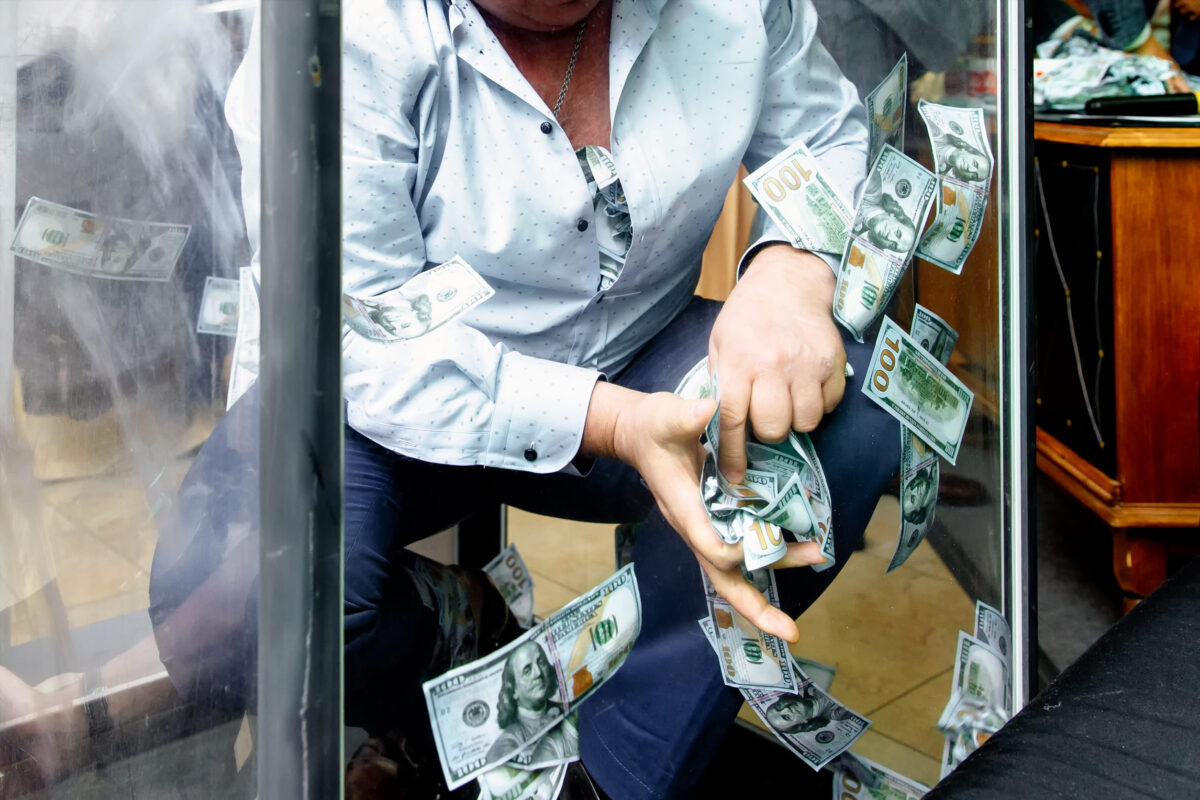
Cash feels like the most normal item in the world. People carry loose bills for tips, buses, snacks, or small emergencies. In prison, loose money is usually banned because it can instantly create an underground economy that officials cannot track.
Most prisons use commissary accounts instead. Money is deposited into an inmate’s account, then used through approved channels for permitted items. That system allows the facility to monitor spending, limit purchases, and reduce direct trading between inmates.
Loose cash is different. It can be used for gambling, bribery, extortion, debt collection, and black market deals. A few bills may not look threatening, but in a closed environment where resources are limited, money can quickly shift power. That is why prisons often remove cash from personal possession and push all funds through controlled systems.
Cigarettes And Tobacco
For decades, cigarettes were part of prison culture. In many places, they were traded like currency, used to settle favors, and passed around as small comforts in a difficult environment. Today, many prisons have banned or heavily restricted tobacco because of health concerns, fire risks, and black market activity.
A cigarette may seem minor compared with weapons or drugs, but tobacco can become extremely valuable inside a facility where access is restricted. That value can lead to smuggling, pressure, threats, and fights. When one pack becomes worth far more behind bars than outside, it stops being a casual habit and becomes a power item.
Lighters and matches create another problem. Fire is one of the most serious dangers in a locked facility. Smoke, panic, blocked exits, and limited movement can turn a small flame into a major emergency. For that reason, tobacco products and smoking tools are often treated as more than personal items.
Alcohol Based Products
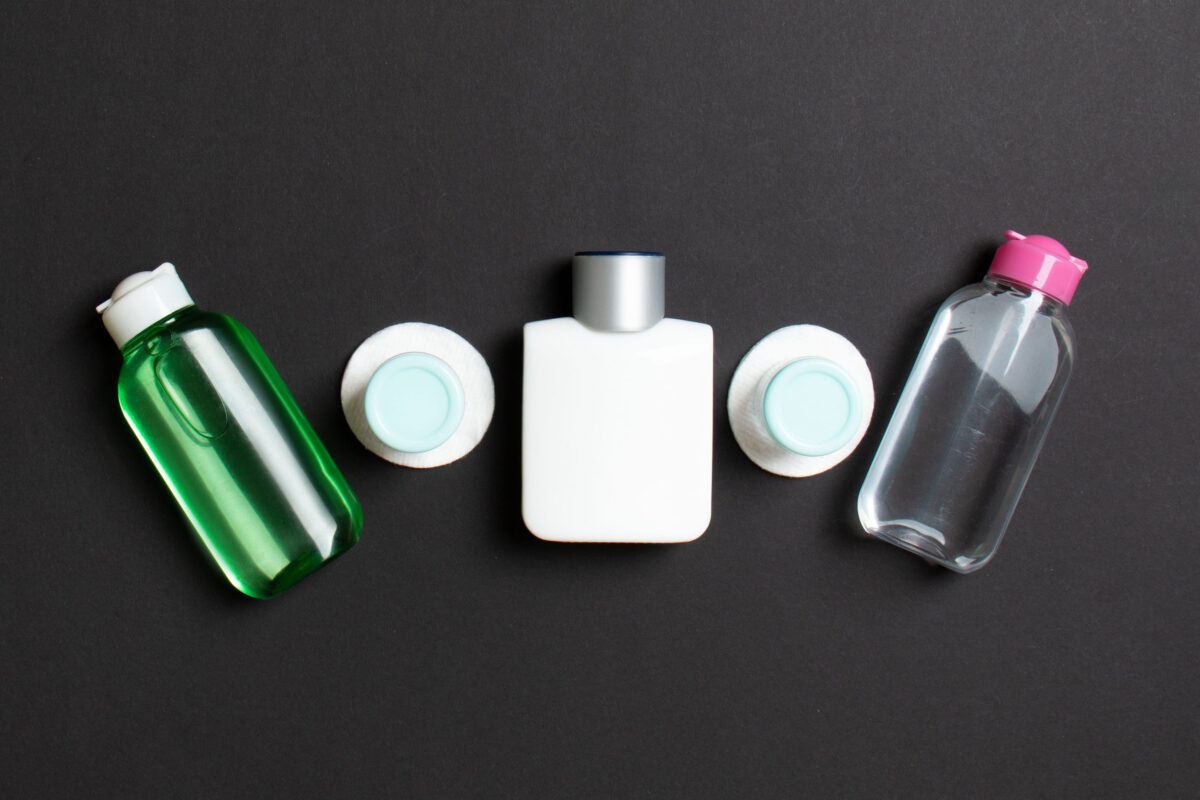
Mouthwash, cologne, hand sanitizer, and certain hair products are everyday items in the free world. People use them without thinking twice. In prison, however, anything with alcohol can raise concern because it may be misused, traded, or turned into a homemade intoxicant.
This does not mean every hygiene product is banned everywhere. Many facilities provide or sell approved versions that are alcohol free or controlled through the commissary. The problem is with products that contain enough alcohol to be abused or altered.
A bottle of mouthwash may look like a hygiene item, but in the wrong setting, it can become contraband. Cologne can be traded. Sanitizers can be misused. Even a small container can become part of a larger problem when people are living under pressure, boredom, and strict limits. That is why prisons often examine labels, ingredients, and packaging before allowing personal care items inside.
Razors And Sharp Grooming Tools
A razor is an ordinary part of many morning routines. Nail clippers, tweezers, scissors, and metal grooming tools are also common in homes and bathrooms. In prison, sharp objects are rarely treated as simple grooming supplies.
The issue is obvious. Anything sharp can be used to injure someone, threaten someone, damage property, or create another tool. Even small blades can become serious weapons in a crowded housing unit. That is why prisons often issue razors only under supervision, sell approved disposable versions, or limit when and how they can be used.
Some grooming tools may be allowed in certain forms, especially if they are plastic, blunt, or purchased through approved channels. But the normal freedom to keep sharp personal items in a drawer does not exist in prison. A tool that helps someone shave outside can become a security risk inside.
Street Clothes
Clothing seems personal, harmless, and necessary. Yet many prisons do not allow inmates to keep normal street clothes, especially after intake. Instead, facilities issue uniforms or approved clothing so staff can quickly identify who belongs where.
Street clothes can create several problems. They may help someone blend in during an escape attempt. They can hide contraband in seams, pockets, waistbands, or linings. Certain colors may also cause confusion with staff uniforms, visitor clothing, medical clothing, or gang-related signals.
Belts, shoelaces, hooded clothing, and heavy jackets may also be restricted because they can be misused. A prison uniform may feel plain, but that plainness is part of the security system. In a place where movement is controlled, clothing becomes a form of identification, not just comfort.
Glass Containers And Mirrors
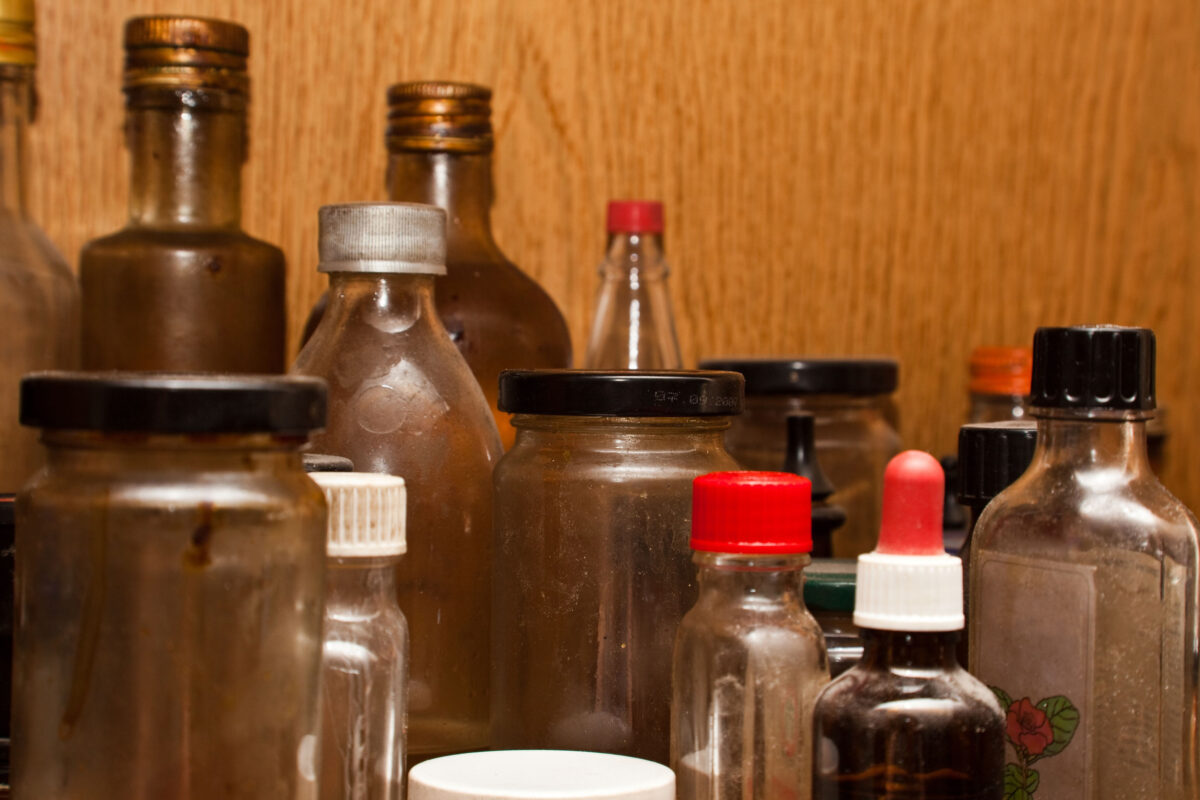
At home, glass jars, perfume bottles, picture frames, and mirrors are normal. They sit on counters, shelves, and bathroom sinks without attracting concern. In prison, glass can be a serious hazard because it can break into sharp pieces.
A broken mirror can become a cutting tool. A glass bottle can become a weapon. Even small shards can be hidden and used later. That risk explains why many prisons prefer plastic containers, limited packaging, and approved personal items that cannot easily be turned into blades.
Mirrors may still exist in prisons, but they are often made from safer materials and installed in controlled areas. Personal glass mirrors, glass-framed photos, and fragile containers are commonly banned or restricted because the danger begins the moment they break.
Outside Food And Homemade Snacks
Food is one of the most emotional things families want to send. A homemade cake, a favorite snack, or a bag of candy can feel like love in a package. But in prison, outside food is often banned because it is difficult to inspect and easy to use for smuggling.
Contraband can be hidden inside baked goods, sealed containers, wrappers, jars, or food packages. Drugs, notes, cash, blades, and other items have all been concealed in ordinary-looking deliveries. That is why many facilities require food to come only from approved vendors or prison commissary systems.
Food also creates health and safety concerns. Spoiled items, allergens, tampered packaging, and uneven access can create problems in a controlled environment. What feels like a caring gesture from family may be rejected at the gate because prison staff must think about what could be hidden inside.