
Shrimp, Salmon, or Something Else? What’s Your Go-To Seafood?
Everyone has that one seafood they can order without thinking twice, but the fun starts when you discover how differently each one can shine in the kitchen.
Seafood is one of those foods where personal preference really matters. Some people want buttery salmon, others reach immediately for garlicky shrimp, while someone else would happily choose crispy fried fish every Friday. Then there are the adventurous eaters who swear by oysters, mussels, scallops, or crab. With so many choices, your go-to seafood can say a lot about the flavors and textures you enjoy.
And the best part? Most seafood does not need a complicated recipe to taste fantastic.
Shrimp Are the Weeknight Favorite
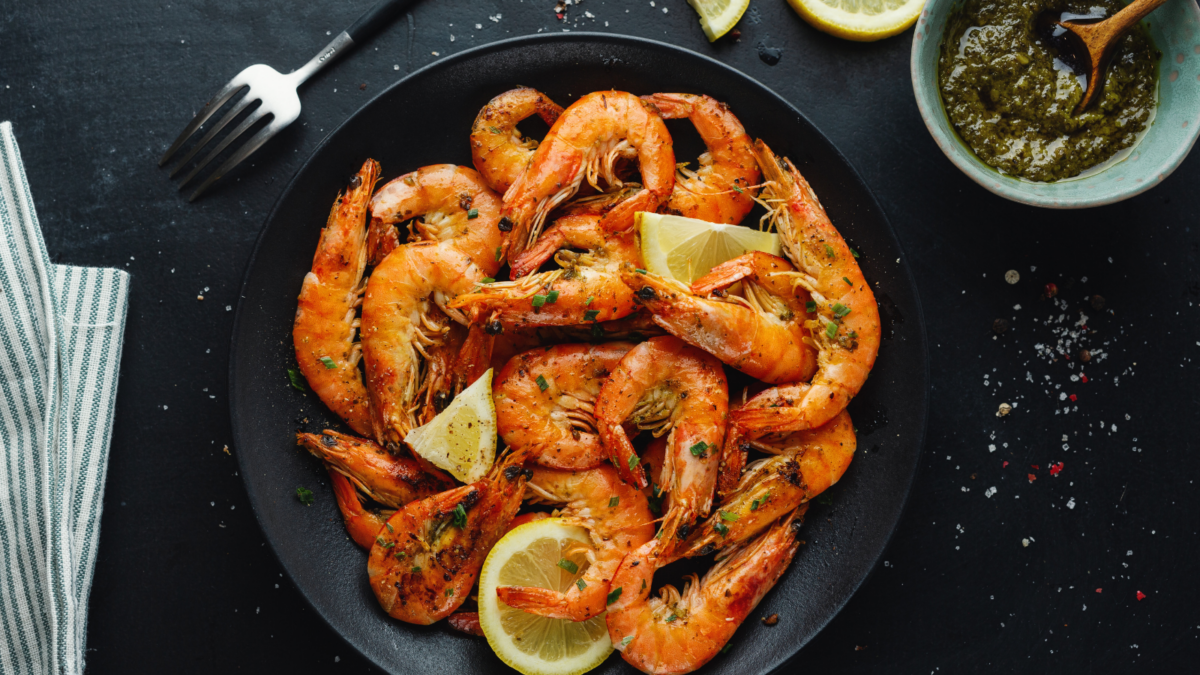
Few seafood options can move from refrigerator to dinner table as quickly as shrimp.
Shrimp cook in just minutes and can take on almost any flavor you give them. Garlic butter makes them rich and comforting, chili and lime make them bright and spicy, while soy sauce and ginger can turn them into an easy Asian-inspired dinner. They are equally happy in pasta, tacos, rice bowls, salads, or served with crusty bread.
They are also remarkably versatile nutritionally. The FDA’s nutrition information for cooked seafood lists shrimp as a protein-rich option, making it an easy ingredient to build a meal around.
Salmon Has the Richness
When you want seafood that feels satisfying without needing much help, salmon is hard to ignore.
Salmon has a naturally rich, buttery texture that works beautifully with simple seasonings. Lemon, garlic, dill, and olive oil keep it fresh and light, while honey, mustard, soy sauce, or chili add more intense flavor. Roast it, grill it, pan-sear it or cook it in an air fryer—the fish can handle all of them.
Salmon also gets so much attention for nutritional reasons. The American Heart Association recommends eating fish at least twice a week, particularly fatty fish such as salmon, sardines, and mackerel, which are good sources of omega-3 fatty acids. Its fish and omega-3 guide explains why these varieties are such popular choices.
Maybe You Prefer Crispy Fish
Sometimes the seafood you crave has less to do with subtle flavor and everything to do with crunch.
Fried fish, calamari, and crispy shrimp have an entirely different appeal. A golden coating delivers that satisfying crunch before you reach the tender seafood underneath, especially when paired with lemon, tartar sauce, chili sauce, or a squeeze of lime.
Fish tacos are another reason crispy seafood remains so popular. A crunchy piece of fish tucked into a warm tortilla with cabbage, salsa, and creamy sauce becomes a completely different experience from a simple grilled fillet. It proves the same seafood can feel completely different depending on how you cook it.
Mussels Deserve More Attention
Mussels look impressive on the table, but they are surprisingly easy to cook at home.
Fresh mussels can be steamed with garlic, shallots, herbs and a splash of wine, creating a flavorful broth that practically begs for bread. They can also take on spicy tomato sauces or creamy preparations. BBC Good Food’s guide to cooking mussels notes that they cook quickly and pair with everything from classic creamy sauces to spicy curries.
The key is freshness and preparation. Fresh mussels should be alive before cooking, and discard any with damaged shells or that remain open when handled. Once they hit a hot pan, they can be ready in only a few minutes.
Then There Are Scallops and Crab
If you want seafood that feels like a restaurant treat, scallops and crab bring something special to the table.
Scallops have a naturally sweet flavor and develop a beautiful caramelized crust when seared properly. The secret is to get the surface dry and the pan hot enough to brown without overcooking the center. Crab is different again: its delicate meat needs surprisingly little seasoning, which is why simple butter, lemon, and herbs work so well.
These are also foods where restraint pays off. You do not need a complicated sauce when the seafood itself already has plenty of character.
The Real Trick Is Not Overcooking It
Even the best seafood can become disappointing if it stays in the pan too long.
Fish should generally reach an internal temperature of 145°F, according to the FDA, while shrimp, crab, lobster, and scallops should become firm, pearly, and opaque. The FDA’s seafood safety guidance also recommends watching for unusual sour, rancid, fishy, or ammonia-like odors when selecting seafood.
Once you get comfortable with the basics, seafood becomes much less intimidating. Start with your favorite, change the seasoning, and gradually work your way toward varieties you have never tried.
And if you are already comfortable with seafood, experimenting with simple kitchen habits can make it easier to turn quick seafood dinners into a regular part of your routine.
There is no wrong answer when it comes to a favorite. Some people will always choose shrimp, others will defend salmon, and someone else may insist that nothing beats a plate of fried fish.
So, shrimp, salmon, crab, lobster, fried fish, oysters—or something completely different: what’s your go-to seafood?


