7 Grilling Mistakes That Can Ruin Your Meat
Great grilling is often lost in the small details. A quality cut of meat and a hot grill do not always guarantee a great meal if simple habits get in the way. Moving food around too much, pressing it at the wrong time, guessing doneness by cutting into it, or adding a sweet glaze too early can all affect the final result. The good news is that most grilling mistakes are easy to correct once you know what to watch for.
Starting on a Cold or Underheated Grill
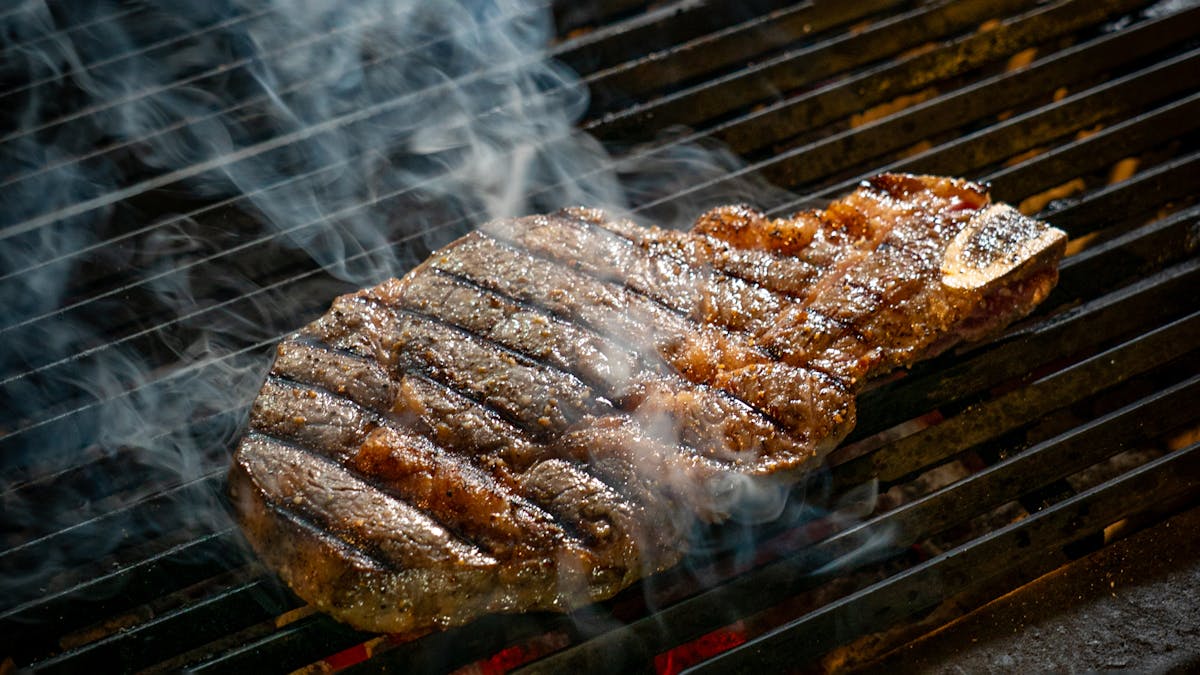
Putting meat on a grill before it is properly heated can make it harder to achieve the browning you are looking for. The early contact between the meat and the grates plays an important role in developing the outside texture and color.
A better approach is to give the grill time to preheat before cooking. Weber recommends preheating a grill on high with the lid closed for about 10–15 minutes, then cleaning the grates once they are hot. After that, adjust the heat based on the particular meat and cooking method.
For steak, Weber recommends direct high heat around 450°F–500°F, but that guidance is specific to steak and that grilling approach. It is not a universal setting for every type of meat or every grill.
Flipping or Handling the Meat Without a Purpose
Constantly moving meat around the grill can get in the way of good cooking. The issue is not turning the meat itself; purposeful flipping can be part of a successful technique.
Some methods use repeated flipping intentionally. Serious Eats has discussed frequent flipping as a way to help certain steaks and burgers cook more evenly, and Weber recipes also include turning and rotating meat. The key is that the movement should have a reason behind it.
Turn meat when the cooking method calls for it, when you are managing heat, or when you are intentionally building browning. Avoid moving it simply because you feel the need to keep checking on it. Meat needs enough contact with the grill to develop color when that is the goal.
Pressing Down on Regular Burgers or Steaks
Pressing meat repeatedly while it cooks can push out liquid and rendered fat, which may affect the finished texture and contribute to flare-ups from drippings reaching the flames.
For conventional burgers and steaks, the best move is usually to leave the meat alone instead of squeezing it with a spatula.
There is an important exception: smash burgers. That technique involves intentionally pressing the beef right after it reaches a very hot cooking surface. The goal is to increase surface contact and create a browned crust. That early, deliberate press is different from repeatedly flattening a regular burger after it has already started cooking.
Cutting Into Meat to See If It Is Done
Slicing into meat repeatedly to check the center may seem like a quick solution, but it is not the most reliable way to judge doneness. Color, juice color, and texture are not dependable indicators of whether meat has reached the right level of doneness.
A thermometer is a better tool for checking. USDA recommends using a food thermometer and placing it in the thickest part of the meat, away from bone and gristle. For thinner foods such as burger patties or chicken breasts, inserting the probe from the side can help it reach the center.
| Meat | Minimum internal temperature |
| Whole beef, pork, lamb, and veal steaks, chops, and roasts | 145°F, followed by at least a 3-minute rest |
| Ground beef, pork, lamb, and veal | 160°F |
| Poultry | 165°F |
Using a thermometer helps you check doneness without cutting into the meat and guessing from what you see.
Using the Same Heat for Every Cut
A grill is not one single cooking surface. Treating every piece of meat the same way can make cooking more difficult, especially when dealing with thicker cuts.
Weber distinguishes between direct and indirect heat for different grilling situations. Direct heat works well for smaller, tender foods such as steaks, chops, burgers, and boneless chicken pieces. Indirect heat can be useful for larger or thicker foods that need more gradual cooking or for finishing food after it has been browned.
A two-zone setup gives you more control: a hotter direct area for browning and quicker cooking, plus a cooler indirect area for finishing thicker cuts or moving food away from aggressive heat. A thicker cut such as tri-tip may benefit from this type of approach, depending on the recipe and method.
Skipping the Rest Before Slicing
Taking meat straight from the grill to the cutting board can work against the final result. Resting gives the meat time to settle before slicing and can help reduce the amount of liquid that ends up on the cutting board.
Resting guidance depends on the cut, size, and recipe. USDA specifies at least a three-minute rest for certain whole beef, pork, lamb, and veal cuts cooked to 145°F. Other grilling preparations may call for different rest periods.
Instead of applying one fixed resting time to every piece of meat, follow the needs of the specific cut you are preparing.
Adding Sweet Sauce Too Early
Sweet barbecue sauces and glazes can be tricky on a hot grill. Because sugar can darken quickly, applying them too early over strong direct heat may cause the outside to become gummy or burn before the meat is finished.
For high-heat grilling, it is often better to cook the meat most of the way first and add sweet sauces or glazes closer to the end. Keep an eye on the surface and move the food away from intense heat if it starts darkening too quickly.
Timing depends on the cooking method. With lower, indirect cooking, sweet sauces may sometimes be added earlier. The important thing is matching the sauce timing to the heat rather than following one rule for every situation.
Better grilling often comes down to control: heating the grill properly, using the right cooking zone, handling meat with purpose, checking doneness with a thermometer, and timing sweet sauces carefully. Small adjustments can help you get more consistent results every time you fire up the grill.