Pizza, Pasta, and Other Common Italian Stereotypes.
Italy is one of the world’s most recognizable countries, known for its rich history, famous cuisine, fashion, art, and traditions. From the streets of Rome to the canals of Venice and the coastal towns of Sicily, Italian culture has influenced the world in countless ways.
However, with global popularity often comes a collection of stereotypes. Many people associate Italy with pizza, pasta, passionate conversations, stylish clothing, family-centered lifestyles, and a deep love for food. Some of these images are connected to real cultural traditions, while others are exaggerated or simplified versions of a much more diverse society.
The conversation around Italian stereotypes raises an interesting question: how much of what people believe about Italy reflects reality, and how much comes from movies, tourism, and popular culture?
The Pizza and Pasta Image
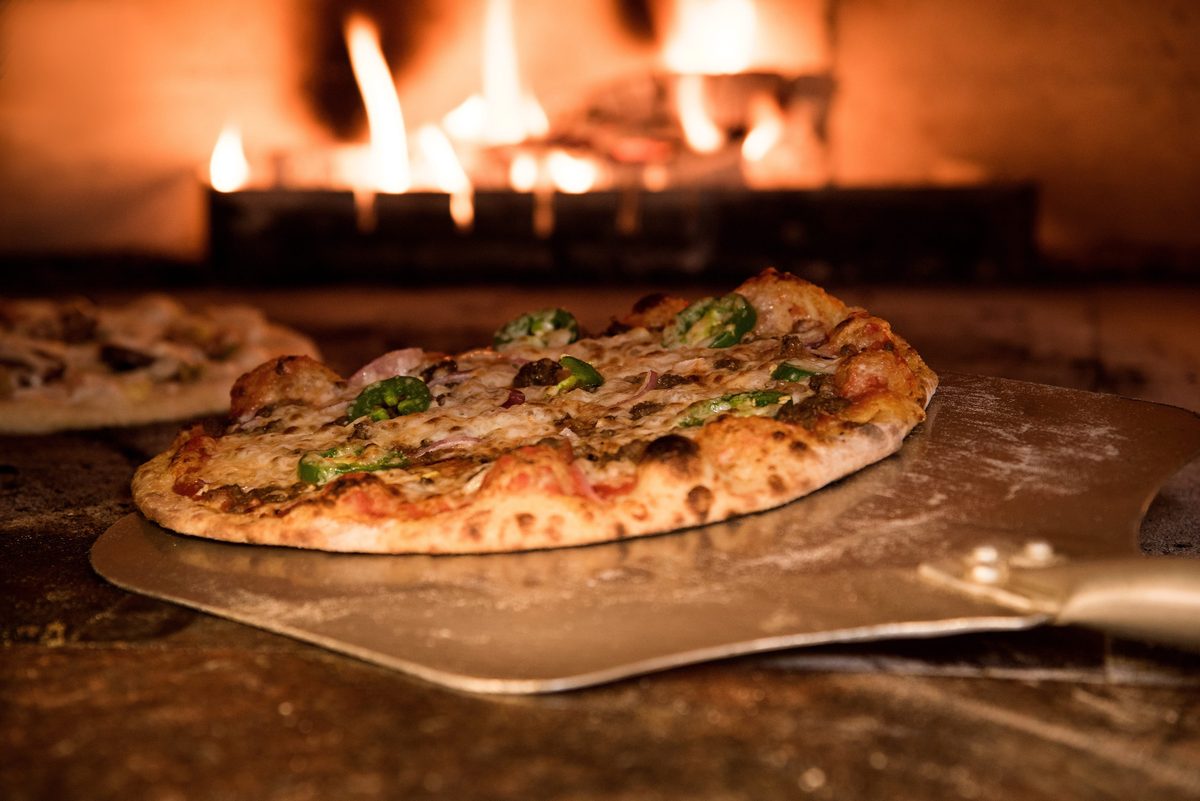
Perhaps the most famous Italian stereotype is that Italians eat pizza and pasta all the time. Around the world, Italian cuisine is often represented by these two dishes, and many people imagine every Italian meal involving a large plate of spaghetti or a slice of pizza.
Some truth behind this association. Pasta is an important part of Italian culinary tradition, and Italy has hundreds of pasta varieties, each with different shapes, ingredients, and regional histories. Pizza also has deep roots in Italian culture, particularly in Naples, where the modern style of pizza developed.
However, the idea that Italians eat pizza and pasta at every meal is an exaggeration. Italian cuisine is incredibly diverse and varies widely by region. In northern Italy, dishes may include more rice, polenta, butter, and cheese-based recipes. Coastal areas often feature seafood, while southern regions are known for ingredients such as tomatoes, olive oil, and fresh vegetables.
For many Italians, pasta is part of a balanced meal rather than the entire meal itself. Portion sizes and preparation styles may also differ from what people commonly find in Italian restaurants abroad.
Italians Are Always Passionate and Emotional
Another common stereotype is that Italians are naturally loud, expressive, and emotional. Movies and television often portray Italian characters speaking with dramatic gestures, animated voices, and intense reactions.
Italian communication can indeed involve expressive body language and strong emotional connection. Hand gestures are an important part of everyday communication for many Italians, and conversations with friends or family can sometimes appear energetic to outsiders.
However, not every Italian communicates in the same way. Italy has regional differences, and personalities vary just as they do anywhere else in the world. Some Italians are naturally outgoing, while others are more reserved.
The stereotype often comes from cultural differences in communication styles. What may seem dramatic in one culture may be normal expression in another.
The Idea That Italians Are Obsessed With Family
Family is often considered one of the most important aspects of Italian culture. The image of large families gathering around a table for long meals is common in films and travel stories.
Family relationships do play a significant role in many Italian communities. Meals, celebrations, and holidays often give relatives opportunities to spend time together. Many Italians maintain close connections with parents, grandparents, and extended family members.
At the same time, modern Italy is changing. Younger generations increasingly move away from their hometowns for education and work, and lifestyles are becoming more similar to those in other European countries.
The traditional family image remains an important cultural element, but it does not represent every Italian person’s experience.
Everyone in Italy Is Fashionable
Italy is internationally famous for fashion. Cities like Milan are considered major fashion capitals, and Italian designers have shaped global trends for decades.
Because of this reputation, another stereotype suggests that every Italian person is naturally stylish and always perfectly dressed.
While fashion is certainly important in Italian culture, everyday life is more complicated. Italians, like people everywhere, dress in many different ways depending on their personality, profession, location, and lifestyle.
Italy’s connection to fashion comes from a long history of craftsmanship, design, and luxury brands. That doesn’t mean everyone follows fashion trends or spends significant time choosing outfits.
Italians Love Coffee But Not the Way Many Expect
Coffee is another major part of Italian identity. Italian cafés, espresso culture, and coffee traditions are famous worldwide.
Many visitors are surprised by how Italians approach coffee differently than people in other countries. Espresso is often enjoyed quickly while standing at a café counter rather than as a large drink consumed slowly over an extended period.
The stereotype that Italians drink coffee constantly is partly true, as coffee plays an important social and daily role. However, Italian coffee habits are often more structured than outsiders realize.
For example, certain drinks are traditionally associated with specific times of day. Cappuccino is commonly considered a morning drink, while espresso may be enjoyed after meals or during short breaks.
Italians Are Always Relaxed and Enjoy Life
The idea of “la dolce vita,” or “the sweet life,” has contributed to the image of Italians as people who always know how to relax and enjoy themselves.
Italian culture values food, social connections, conversation, and enjoying experiences. Long meals, evening walks, and time spent with friends are important parts of life in many communities.
However, this stereotype can ignore the realities of modern Italian life. Italians also deal with work pressures, economic challenges, and busy schedules like people everywhere.
The image of constant relaxation is often shaped by tourism advertisements and romantic portrayals rather than everyday reality.
Regional Differences Challenge Simple Stereotypes
One of the biggest problems with Italian stereotypes is that they often treat Italy as one single culture. In reality, the country includes many regions with different histories, traditions, dialects, and cuisines.
Someone from Sicily may have different customs and food traditions from someone in Lombardy or Tuscany. A person from Naples may have a different relationship with pizza than someone from another part of the country.
Italy’s diversity is one of its defining characteristics. Understanding the country requires looking beyond common images and exploring the differences between communities.
Why Italian Stereotypes Continue Around the World
Italian culture has had a powerful global influence, especially through food, film, music, fashion, and immigration. As Italian traditions spread internationally, people often simplified them into familiar symbols.
Pizza, pasta, romance, family, and fashion became easy ways for other cultures to describe Italy. While these associations aren’t entirely inaccurate, they represent only part of a much larger story.
Stereotypes can sometimes create appreciation for a culture by introducing people to its traditions. However, they can also limit understanding if people assume they represent everyone.
A Culture Bigger Than the Stereotypes
Pizza and pasta are certainly important parts of Italian identity, but they are only the beginning. Italy’s culture includes centuries of art, architecture, regional traditions, literature, science, and social customs.
The most accurate way to understand Italy is to look beyond familiar images and recognize the complexity behind them.
Italian culture is not defined only by food, fashion, or expressive gestures. History, regional diversity, family connections, creativity, and the everyday experiences of millions of people shape it.
The next time someone mentions pizza, pasta, or Italian passion, it may be worth remembering that these famous images are only small pieces of a much larger cultural picture.