The Humble Baked Bean Revolution
For decades, baked beans have been known as a humble kitchen staple, the familiar companion to a full English breakfast, a quick meal after a long day, or a budget-friendly option when cupboards are running low.
Often served alongside sausages, eggs, toast, or bacon, baked beans have traditionally been viewed as comfort food rather than a nutritional powerhouse. But in recent years, the small can of beans has been gaining a new reputation.
Fitness enthusiasts, nutrition experts, and health-conscious eaters are increasingly recognizing baked beans as a convenient source of protein, fiber, and essential nutrients. Once considered a simple side dish, they are now being reintroduced as a food that fits a balanced, active lifestyle.
The transformation of baked beans from a fry-up favourite to a fitness-friendly food reflects a wider shift in how people think about everyday meals. Foods once dismissed as basic or old-fashioned are being reconsidered through the lens of nutrition, affordability, and convenience.
A Humble Food With a Long History
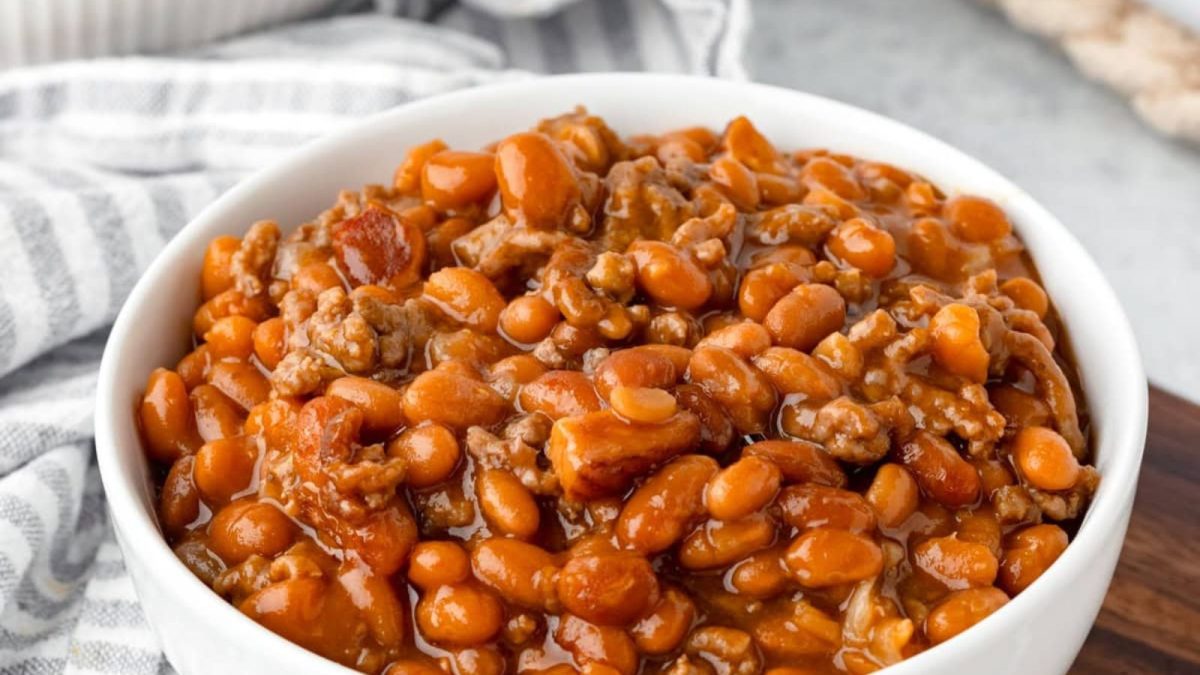
Baked beans have a history that stretches back centuries, with versions of bean-based dishes appearing in different cultures around the world. Modern canned baked beans became especially popular because they offered an affordable, long-lasting food that could be prepared quickly.
In the United Kingdom, baked beans became closely linked with the traditional breakfast plate during the 20th century. Their popularity grew because they were inexpensive, filling, and easy to store.
For many households, a can of beans represented a reliable meal option. They could be heated in minutes and paired with common pantry ingredients, making them especially valuable during periods when families needed to manage food costs.
However, their reputation as a cheap convenience food also meant people interested in fitness and healthy eating sometimes overlooked them.
That perception is now changing.
Why Nutrition Experts Are Reconsidering Beans
At their core, baked beans are made from a simple ingredient: beans. Legumes such as haricot beans provide important nutrients that are widely recognized as part of a healthy diet.
One of the biggest benefits of beans is their fiber content. Fiber supports digestive health, helps people feel full for longer, and can play a role in maintaining healthy blood sugar levels.
Baked beans also provide plant-based protein, making them appealing to people looking to increase protein intake without relying only on meat or dairy products.
For those who exercise regularly, protein supports muscle repair and recovery. While baked beans may not contain as much protein as chicken, fish, eggs, or protein supplements, they can still contribute to daily protein goals when included in a varied diet.
Beans also contain minerals such as iron, magnesium, and potassium, which are important for normal body function.
The Fitness World’s New Appreciation
The rise of fitness culture has changed the way many people view food. Instead of focusing only on calories, many health-conscious consumers are paying more attention to nutrients and the overall quality of their meals.
Baked beans fit into this approach because they offer a combination of protein, carbohydrates, and fiber in one affordable serving.
For athletes and active individuals, carbohydrates are an important energy source. Unlike highly processed sugary foods that may provide quick energy followed by a crash, beans provide slower-digesting carbohydrates that can support steady energy levels.
Some fitness enthusiasts have started incorporating baked beans into meals such as:
- High-protein breakfasts with eggs and whole-grain toast
- Post-workout meals combined with lean proteins
- Healthy lunches with vegetables and grains
- Quick dinners when time is limited
Their convenience makes them especially attractive for people who want nutritious meals without spending hours cooking.
The Sugar and Salt Debate
Despite their nutritional benefits, baked beans are not perfect. One reason they have faced criticism is that wide canned varieties contain added sugar and salt.
Traditional baked beans are often prepared in a sweet tomato-based sauce, which can increase sugar content compared with plain cooked beans. Some versions also contain significant amounts of sodium.
Nutrition experts often recommend checking food labels and choosing options with lower levels of added sugar and salt when possible.
Another option is to make baked beans at home, which lets people control the ingredients. Homemade versions can include more vegetables, different spices, and less sugar and salt.
Many health professionals say the key message isn’t to avoid baked beans, but to choose the right variety and balance them with other foods.
A Budget-Friendly Superfood?
One reason baked beans remain popular is their affordability. As food prices continue to worry households worldwide, inexpensive sources of nutrition have become increasingly valuable.
Beans provide many of the benefits associated with more expensive health foods at a fraction of the cost. They can help people create filling meals without requiring premium ingredients.
This affordability has also contributed to growing interest in plant-based eating. Many people looking to reduce meat consumption are turning to beans and other legumes as practical alternatives.
Rather than replacing meat entirely, beans can complement a balanced diet by adding variety and improving nutritional quality.
Beyond the Breakfast Plate
Although baked beans are strongly associated with breakfast, their potential goes far beyond the traditional fry-up.
Modern cooks are finding creative ways to include them in different meals. They can be added to wraps, salads, baked potatoes, stews, and grain bowls.
Their mild flavor lets them pair with a wide range of seasonings and ingredients. From spicy bean dishes to Mediterranean-inspired meals, you can adapt baked beans in many ways.
This flexibility is helping change their image from a basic cupboard item into a versatile ingredient.
Why Old-Fashioned Foods Are Making a Comeback
The renewed interest in baked beans is part of a broader nutrition trend. Many people are returning to traditional foods that are affordable, simple, and naturally nutritious.
Instead of chasing expensive health trends, consumers are rediscovering everyday ingredients that have been part of diets for generations.
Foods like beans, oats, lentils, and whole grains are gaining attention because they offer practical health benefits without requiring complicated preparation.
Baked beans represent this movement perfectly: a familiar food being viewed through a modern nutritional perspective.
A New Chapter for a Classic Food
Baked beans may have started as a simple addition to a breakfast plate, but their nutritional value has earned them a new place in modern diets.
While they should not be considered a complete meal on their own, they can be a valuable part of a balanced eating plan. Their combination of protein, fiber, affordability, and convenience makes them an appealing choice for families, students, busy professionals, and fitness enthusiasts alike.
The humble baked bean proves that healthy eating doesn’t always require expensive ingredients or complicated recipes.
Sometimes, the foods already sitting in the kitchen cupboard deserve another look.
From the traditional fry-up to the modern fitness meal, baked beans show that a classic favorite can reinvent itself for a healthier generation.