Pumpkin Purée Can Do Far More Than Pie
That leftover spoonful in the fridge can turn an ordinary breakfast, soup, or baked treat into something surprisingly good.
Pumpkin purée tends to appear in the kitchen with one job in mind: pumpkin pie. But once the pie comes out of the oven, half a can often sits in the refrigerator, quietly waiting to be forgotten. That is a shame, because smooth pumpkin purée is one of those ingredients that can move easily between sweet and savory cooking.
It adds moisture, body, color, and a gentle, earthy sweetness without much prep. And despite its strong association with autumn desserts, pumpkin has been part of human diets in the Americas for thousands of years. The Smithsonian’s history of pumpkins traces squash cultivation back roughly 10,000 years, long before pumpkin became synonymous with lattes and Thanksgiving.
Start With the Right Kind of Pumpkin
The pumpkin you carve for Halloween is not necessarily the pumpkin you want in your mixing bowl.
Cooking pumpkins, often sold as sugar or pie pumpkins, are generally smaller and better suited to eating than the large varieties grown primarily for carving. Canned purée offers an even easier shortcut, and many cans include an interesting detail. What is sold as pumpkin can include certain winter squash varieties that meet USDA processing standards.
For everyday cooking, the biggest advantage of canned purée is consistency. It’s already cooked and blended, so you can measure it straight into a recipe without peeling, roasting, or processing anything. If you make your own, King Arthur Baking’s method for homemade pumpkin purée recommends roasting a cooking pumpkin until tender, scooping out the flesh and puréeing it before draining excess moisture.
Give Breakfast a Pumpkin Upgrade
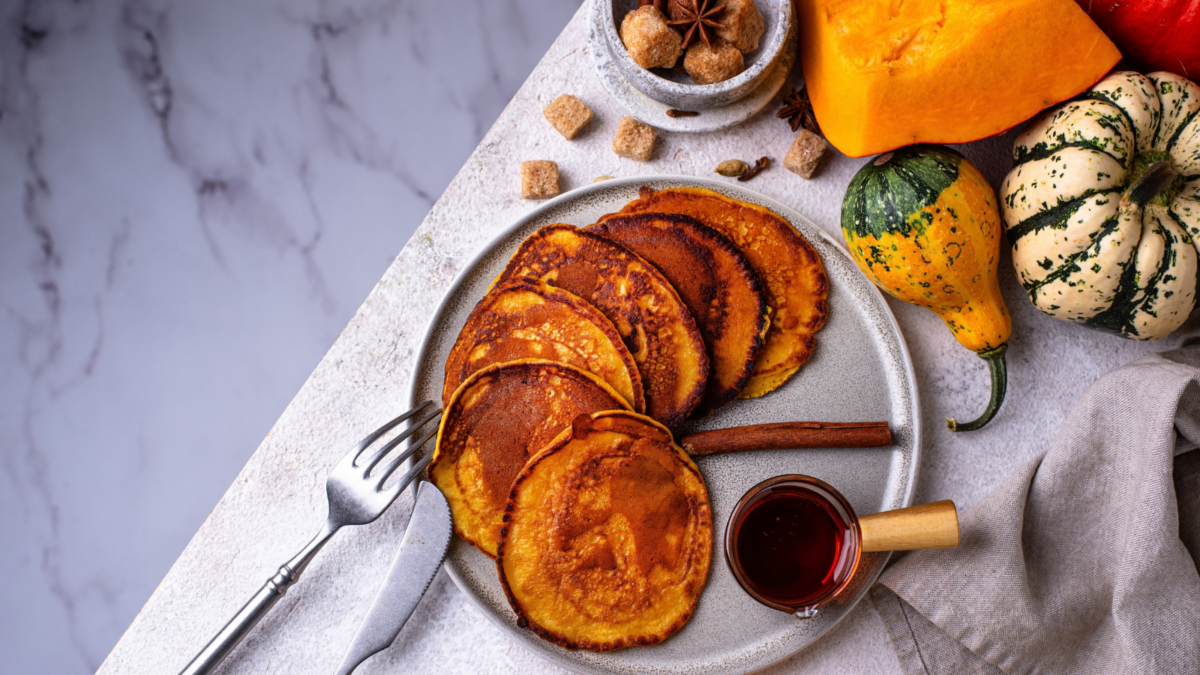
A few spoonfuls can make familiar breakfast foods taste as they belong at a weekend brunch.
Pumpkin purée works beautifully in pancakes because it brings moisture and a soft texture to the batter. A little cinnamon, ginger, or nutmeg warms the flavor, while maple syrup adds sweetness. You can also swirl pumpkin into oatmeal or yogurt instead of treating it as something reserved for baked goods.
The trick is not to overwhelm breakfast with it. Pumpkin has a mild flavor, so it works best alongside ingredients that provide contrast—tangy yogurt, toasted nuts, maple syrup, citrus zest, or warming spices.
It Belongs in Savory Food Too
Pumpkin becomes a completely different ingredient when you stop thinking of it as dessert.
A spoonful can add body to soups, sauces, and stews while adding subtle sweetness. A creamy pumpkin soup, for example, can be built around onions, garlic, broth and spices before the purée is stirred in. King Arthur Baking’s pumpkin soup combines pumpkin with onion, garlic or ginger, curry powder, broth and evaporated milk, showing just how far the ingredient can travel beyond pie.
Pumpkin also works with savory flavors such as sage, thyme, black pepper, chili, curry and garlic. That makes it particularly useful when you want a sauce or soup to feel rich without simply adding more cream.
The Moisture Is Both a Gift and a Challenge
Pumpkin purée can make baked goods wonderfully tender, but too much moisture can quickly turn them heavy.
This is why blindly adding extra pumpkin to a recipe is not always a good idea. Pumpkin contains a lot of water, and that liquid affects how flour, eggs, and leavening agents behave. For particularly pumpkin-heavy baking, some bakers even cook the purée briefly before using it, concentrating its flavor and reducing its water content.
That extra step can make a noticeable difference in cookies, cakes and breads where texture matters. It also explains why two recipes containing the same basic ingredients can produce completely different results depending on how much purée they use.
Don’t Waste the Last Few Spoonfuls
The most useful pumpkin purée may be the little bit you thought was too small to save.
Leftover purée can be portioned and frozen rather than left to languish in the refrigerator. Freezing it in half-cup portions makes future cooking easier because you can take out exactly what a recipe requires. You can also stir small amounts into oatmeal, yogurt, or smoothies for a quick way to use it.
Pumpkin brings more than color to those meals, too. Harvard Health notes that cooked pumpkin provides fiber, potassium, and beta-carotene, which the body can convert into vitamin A.
One Ingredient, Plenty of Possibilities
The real charm of pumpkin purée is that it quietly makes ordinary food more interesting without demanding much from the cook.
It can become breakfast, soup, bread, muffins, sauce, or dessert depending on what you put around it. That versatility is why keeping a can in the pantry can be far more useful than buying one only when pumpkin pie appears on the calendar.
And if you enjoy finding simple kitchen habits that make everyday cooking easier, using an ingredient in several different ways is one worth keeping.
If you had half a can of pumpkin purée left tonight, would you turn it into something sweet or make a savory dish instead?