Kentucky Mom Expected a $7 Caramel Apple. Her Daughter Came Back With a $16.77 Receipt
A fall treat run turned into an unexpected conversation about specialty desserts after a Kentucky mother shared a receipt showing a nearly $17 caramel apple purchase.
Heather VanHoose told TODAY that she expected the treat her 9-year-old daughter Sophie bought from Sweet Oaks Bakery to cost around $7, or perhaps closer to $10. Instead, her daughter returned with a receipt totaling $16.77 after tax and a card-processing fee.
The reason for the difference was the type of apple selected. The purchase was not a standard caramel apple, but Sweet Oaks Bakery’s Fruity Pebble Gourmet Apple, a decorated specialty version featuring additional toppings.
A Simple Treat Became a Specialty Dessert
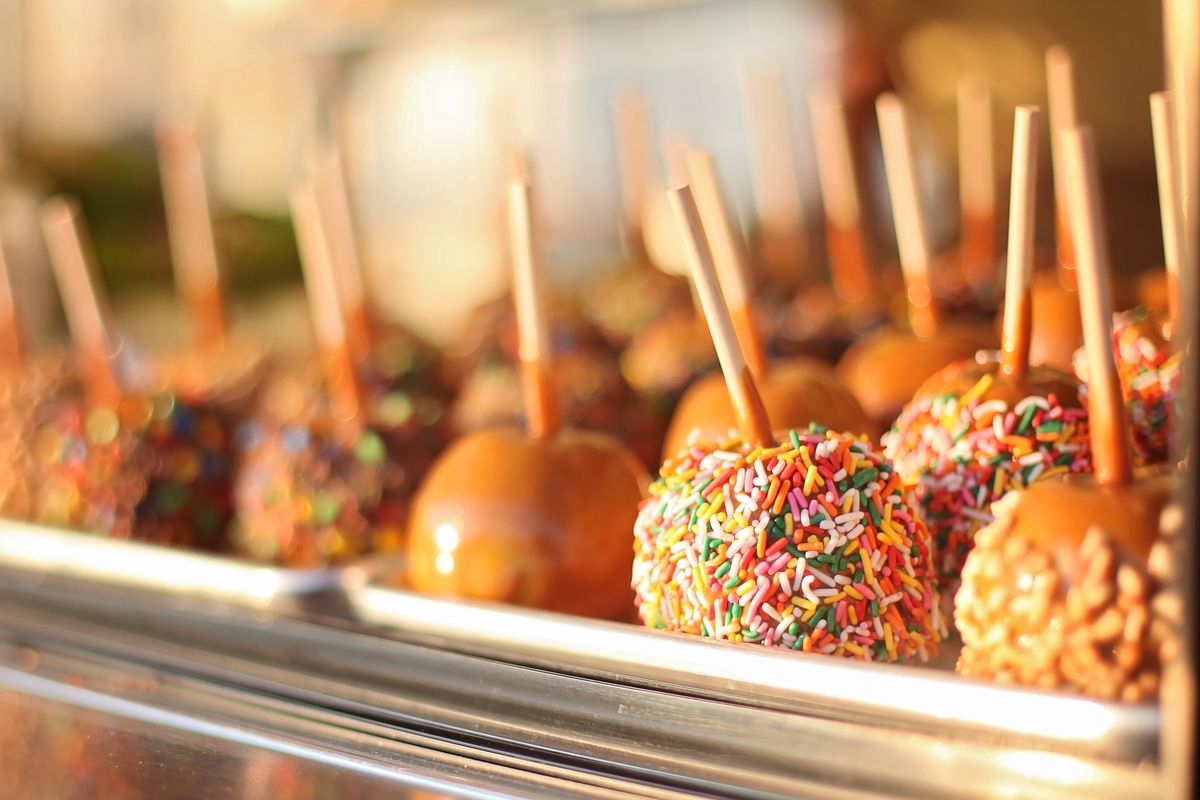
According to TODAY’s reporting, Sophie selected Sweet Oaks’ Fruity Pebble Gourmet Apple. The treat features a large Granny Smith apple covered with homemade caramel, Fruity Pebbles cereal, and a white-chocolate drizzle.
The listed price for the gourmet apple was $15 before tax and a card-processing fee. Sweet Oaks’ standard caramel apples were reported to cost $10.
The difference between the two options became the center of the online discussion. A familiar fall snack and a decorated specialty version may look similar at first glance, but the price can vary depending on what goes into the finished product.
How the Receipt Got Attention
After the purchase, VanHoose photographed the receipt and shared it on Facebook. The post sparked discussion online about the cost of specialty caramel apples and how much customers expect these seasonal treats to cost.
The online reaction became part of the conversation, but it does not represent a formal survey of customer opinions. Instead, the post highlighted a common shopping surprise: expecting one type of item and discovering that a more elaborate version comes with a different price.
The attention around the receipt came from the gap between expectation and the final total.
Understanding the Difference Between Regular and Gourmet Apples
The purchase highlights how specialty versions of familiar foods can differ from their simpler counterparts.
In this case, the selected item included a large Granny Smith apple, homemade caramel, Fruity Pebbles cereal, and a white-chocolate drizzle. Those details made it a different product from a basic caramel apple.
The story is not about a regular caramel apple costing nearly $17. It was about a customer selecting a decorated gourmet apple with a higher listed price.
For shoppers buying seasonal treats, checking the specific item name and listed price can help avoid surprises at checkout.
A Local Bakery Behind the Treat
Sweet Oaks Bakery says it operates bakery, coffee shop, and indoor-play locations in Paintsville, Pikeville, and Prestonsburg, Kentucky.
The bakery offers a range of food and beverage options, and the Fruity Pebble Gourmet Apple became the specific product connected to this viral receipt story.
The business details matter because the discussion centered on one specialty item rather than a general change in caramel apple pricing.
Why Seasonal Treat Prices Can Surprise Customers
Fall desserts often come in many forms, from simple versions of familiar classics to heavily decorated specialty creations. The Kentucky caramel apple conversation shows how those differences can affect what customers expect to pay.
For many shoppers, a caramel apple may bring to mind a straightforward seasonal treat. A gourmet version with additional toppings and decoration can be a different kind of purchase.
The surprise in this case came from that distinction between what was expected and what was actually ordered.
What Customers Can Take Away
For anyone visiting a bakery or dessert shop for a seasonal treat, the lesson is simple: check the item details before ordering, especially when multiple versions of a familiar food are available.
A standard caramel apple and a specialty gourmet apple may share a name, but they can represent very different products.
The Sweet Oaks Bakery receipt story became a wider conversation because it captured a familiar shopping moment: a quick purchase that turns into a reminder to look closely at the menu before reaching the register.