What Chips Are the Healthiest? Nutritionist Ranks Popular Salty Sides From Potato Wedges To Sweet Potato Fries
For many people, no meal feels complete without a salty side. Whether it is a plate of crispy potato wedges, a serving of sweet potato fries, or a handful of classic chips, these popular comfort foods remain a favorite around the world.
But with growing concerns about nutrition, calories, and processed foods, many people are asking a familiar question: which chips are actually the healthiest option?
A nutritionist compared some of the most common types of chips and salty sides, revealing that while no fried food is a perfect health choice, some options offer more nutritional benefits than others.
The differences often come down to the type of potato or vegetable used, how the food is prepared, portion size, and what it is served with. A side dish that is deep-fried and heavily salted can quickly become less healthy, while a baked or air-fried version may provide a more balanced alternative.
Sweet Potato Fries
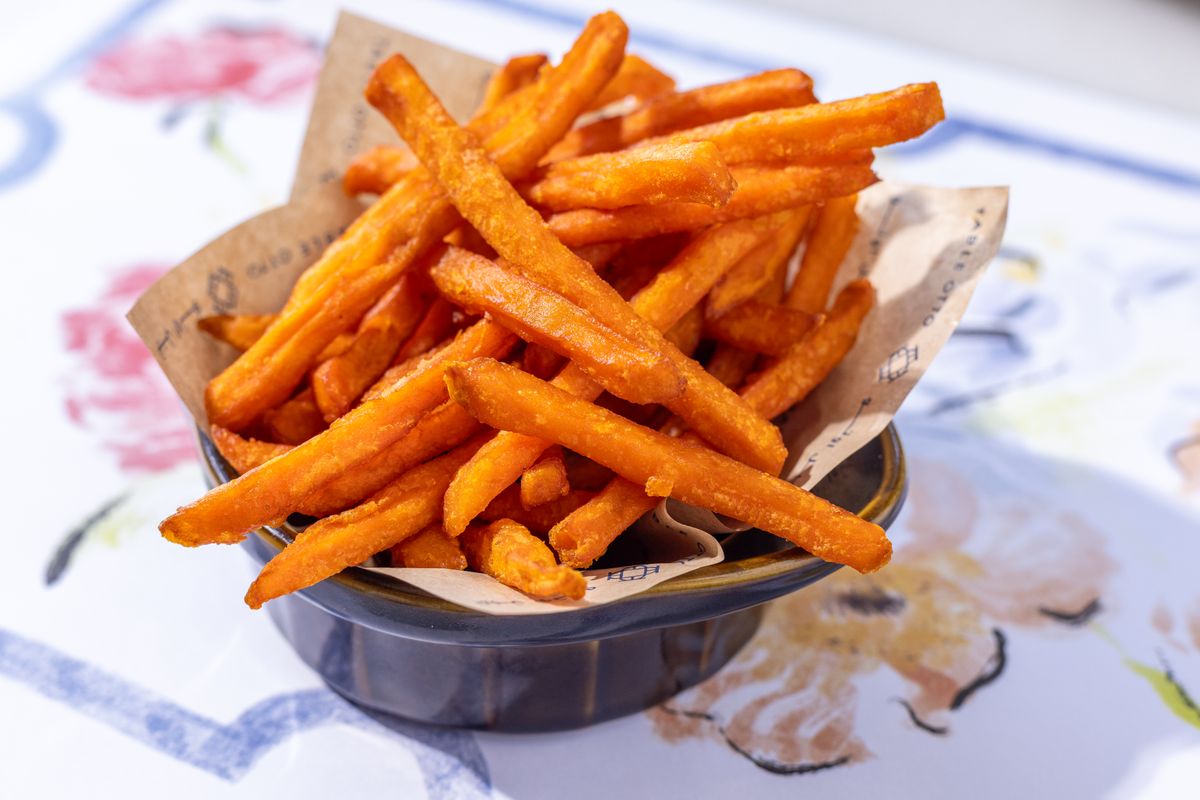
Sweet potato fries are often viewed as one of the healthier choices on restaurant menus because sweet potatoes naturally contain more nutrients than regular white potatoes.
Sweet potatoes are rich in beta-carotene, which the body converts into vitamin A. This nutrient supports healthy vision, immune function and skin health. They also provide fiber, which helps digestion and can contribute to feelings of fullness.
However, nutrition experts warn that the way sweet potatoes are prepared makes a major difference. Deep-frying them in oil can significantly increase their calorie and fat content, reducing some of their nutritional advantages.
Baked or air-fried sweet potato fries are generally a better choice because they require less oil while still providing the familiar crispy texture people enjoy.
Another consideration is added sugar. Some restaurant versions may include sweet sauces or sugary coatings that increase overall calories.
Potato Wedges
Potato wedges are another popular option and may offer advantages over thinner chips because they usually contain more potato.
Since wedges are often cut with the skin left on, they can provide additional fiber and minerals. Potato skins contain nutrients such as potassium and other beneficial compounds that contribute to overall nutrition.
The thicker cut can also mean a more satisfying serving, making it easier to control portions. Eating a smaller amount of a more filling food may help prevent overeating.
However, like other fried foods, potato wedges can absorb significant amounts of oil during cooking. Large restaurant portions, combined with salty seasonings, cheese toppings, or creamy dips, can quickly turn them into a high-calorie side.
Traditional Potato Chips
Classic potato chips remain one of the world’s most popular snack foods, but nutritionists generally place them lower on the health scale.
Most packaged potato chips are made from processed potatoes that are sliced thinly, fried, and heavily salted. This process creates a crunchy snack but often removes some of the nutritional value found in whole potatoes.
Many potato chips are high in calories but offer relatively little protein or fiber, so they may not keep people full for long.
Eating large amounts regularly has been linked to concerns about excessive sodium intake and unhealthy eating patterns. High salt intake can raise blood pressure in some individuals, especially when combined with other high-sodium foods.
That doesn’t mean you must avoid potato chips completely. Enjoying them occasionally and choosing sensible portions can still fit into a balanced diet.
Vegetable Chips
Vegetable chips made from ingredients such as beetroot, carrots or parsnips are often marketed as healthier alternatives to traditional potato chips.
While these products may appear more nutritious, experts say consumers should check the label carefully.
Some vegetable chips are still deep-fried and contain similar amounts of fat, salt and calories as regular chips. The fact that they are made from vegetables does not automatically make them a healthier choice.
The nutritional benefits depend on how much real vegetables are used, how they are processed, and whether important nutrients remain after cooking.
Choosing baked vegetable chips with minimal added salt may provide more benefits than heavily processed versions.
Air-Fried Chips
One of the biggest factors affecting the healthiness of chips is not always the ingredient itself but the cooking method.
Air frying has become increasingly popular because it can create crispy foods using much less oil than traditional deep frying.
By reducing added fats, air-fried chips can contain fewer calories while maintaining a texture similar to fried versions. This makes air frying an appealing option for people who want to enjoy chips more regularly without consuming as much oil.
However, air-fried foods are still chips. Portion size and seasoning choices remain important.
Adding excessive salt, cheese, or creamy sauces can reduce the health benefits of a lower-oil cooking method.
Portion Size Matters More Than Many People Realize
Nutritionists emphasize that the healthiest chip choice isn’t just about selecting the right ingredient. How much you eat also plays a major role.
A small serving of traditional chips may fit into a balanced diet, while a large serving of even a healthier option can add significant calories.
Experts often recommend treating chips as a side dish rather than the main part of a meal. Pairing them with protein, vegetables, and other nutrient-rich foods can create a more balanced plate.
For example, a smaller portion of wedges alongside grilled chicken and a salad provides a different nutritional balance than eating a large portion of chips alone.
The Healthiest Choice Depends on Preparation
When ranking chips and salty sides, nutritionists generally look beyond the food’s name. A sweet potato fry that is heavily fried and covered in salt may not necessarily be healthier than a lightly seasoned baked potato wedge.
Factors such as cooking method, portion size, added ingredients, and overall diet all influence the final nutritional impact.
Homemade versions often provide more control because people can choose healthier oils, reduce salt, and add herbs or spices for flavor.
Making Smarter Choices Without Giving Up Favorite Foods
For people who enjoy chips, the goal does not have to be complete elimination. Instead, small changes can make these foods a more balanced part of an overall diet.
Choosing baked or air-fried options, keeping portions moderate, selecting versions with more fiber, and avoiding excessive sauces can all improve the nutritional quality of salty sides.
The occasional serving of chips is unlikely to determine someone’s overall health. Long-term eating patterns matter far more than a single snack or meal.
Nutrition experts’ takeaway is simple: when it comes to chips, preparation matters. Sweet potato fries, potato wedges, and vegetable-based options may offer some nutritional advantages, but healthier choices depend on how they are cooked and how much you eat.
For those looking for the best balance between taste and nutrition, a homemade, lightly seasoned, air-fried or baked version may be the smartest way to enjoy a favorite salty side while still supporting a healthy lifestyle.