The Burrito Is More Than a Wrapped-Up Meal, Here’s Why We Still Crave It
Few foods are as satisfying as a burrito. A warm tortilla, seasoned beans, rice, tender meat, salsa, cheese, and maybe a little avocado, all packed into one portable bundle, it is practically an entire meal you can hold in your hands. And while the burrito feels like an everyday staple today, its story is much more interesting than simply “put food in a tortilla and roll it up.”
From northern Mexico to San Francisco’s Mission District, the burrito has changed dramatically along the way. Some versions are small and simple, while others are so enormous they require two hands and a serious appetite.
It Starts With the Tortilla
The tortilla isn’t just the wrapper—it is what makes the whole burrito possible.
A burrito is generally made by placing fillings inside a tortilla, folding the sides inward, and rolling it into a compact package. The Cambridge Dictionary’s definition of burrito captures the basic idea, but the fillings and preparation vary enormously depending on where you eat one.
In northern Mexico, flour tortillas became particularly important, partly because wheat flour developed a strong culinary presence in the region. The Mexican government’s account of Chihuahua’s traditional montados describes large wheat tortillas wrapped around beans, cheese, and regional stews, illustrating how flour-tortilla dishes became deeply connected with northern Mexican food culture.
That portability matters, too. A properly rolled burrito keeps its filling contained, making it practical for workers, travelers, or anyone who wants a substantial meal without needing a plate and fork.
Mexico Has Its Own Burrito Traditions
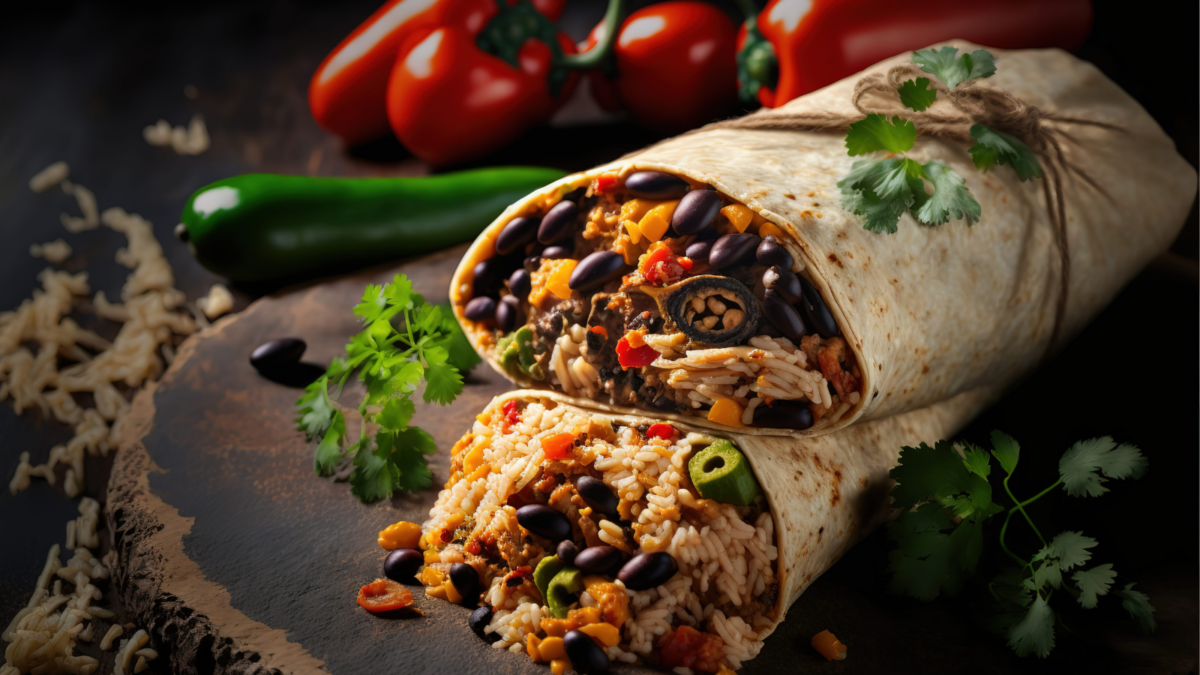
Mexico has no single universal burrito recipe.
Regional Mexican cooking is remarkably diverse, and burrito-like foods reflect that. Chihuahua, for example, has montados, which use a flour tortilla with beans, asadero cheese, and regional fillings such as chile colorado or carne asada. The Mexican government’s account of Chihuahua’s montados connects the dish with the state’s food traditions and explains how its convenient format helped make it popular.
This is one reason it can be misleading to treat every burrito as the same food. A simple bean-and-meat burrito from northern Mexico belongs to a different culinary tradition from the gigantic rice-and-salsa-filled versions many Americans know.
And then there is the question of the name. One popular story connects burrito with burro, meaning donkey, but the precise origin of the modern dish and its name is not completely settled. Food history is full of these competing origin stories, and burritos are no exception.
Then San Francisco Made It Huge
The modern American burrito took a dramatic turn when it landed in San Francisco’s Mission District.
The Mission-style burrito became associated with San Francisco’s Mexican American communities during the 1960s and 1970s. It is typically built around a large flour tortilla filled with ingredients such as beans, rice, meat, salsa, cheese, sour cream, and guacamole, then wrapped tightly in foil.
The Smithsonian’s account of Mexican American food culture provides a fascinating glimpse into how Mexican food and language became increasingly familiar to American audiences during the 20th century. The burrito was part of that broader cultural journey.
San Francisco’s version also became famous for sheer size. Instead of being a modest snack, it could become a complete meal containing several layers of contrasting flavors and textures.
Why the Filling Matters So Much
A great burrito is less about stuffing everything inside and more about making every bite work together.
Rice provides softness and bulk, beans bring creaminess and earthy flavor, meat adds richness, while salsa supplies acidity and heat. Cheese, avocado, or sour cream can add another layer of richness, but too much of anything can make the burrito heavy or difficult to eat.
That balance is what makes burritos so adaptable. You can swap carne asada for chicken, use black beans instead of pinto beans, add roasted vegetables, or skip meat entirely. Even breakfast gets the burrito treatment with scrambled eggs, potatoes, cheese, and salsa.
For home cooks, burritos are also a clever way to use leftovers. Yesterday’s roasted vegetables, cooked beans, or seasoned chicken can become a completely different meal when tucked into a warm tortilla. Pairing those everyday ingredients with simple kitchen habits can make meal preparation feel far less repetitive.
The Burrito Keeps Reinventing Itself
The best thing about the burrito is that it has never really stopped evolving.
Today you can find regional Mexican burritos, enormous Mission-style versions, breakfast burritos, vegetarian creations, and modern restaurant interpretations loaded with unexpected ingredients. The format is sturdy enough to hold tradition while flexible enough to accommodate whatever a cook wants to put inside.
That flexibility is part of the reason burritos remain so appealing. They can be cheap, comforting, and practical, but they can also become elaborate meals with carefully prepared meats, homemade tortillas, fresh salsa, and complex fillings. Even familiar ingredients can become more exciting when combined with foods that make everyday meals more interesting.
Ultimately, the burrito’s genius is wonderfully simple: take good food, wrap it securely, and make it easy to eat. Whether it’s a small northern Mexican burrito or a foil-wrapped Mission giant, the basic idea still works because it delivers flavor, texture, and convenience in every bite.
If you had to build your perfect burrito right now, would you choose carne asada, chicken, beans and vegetables, or go all-in with a loaded breakfast burrito?