6 Food Combinations That Americans Can’t Seem to Agree On
Some food debates start with complicated recipes. Others begin with something as simple as a squeeze bottle, a dipping cup, or an unexpected topping. A little ranch beside a pizza, a sprinkle of salt on watermelon, or pineapple on a slice can reveal very different ideas about what belongs on the plate.
Some pairings have roots in older food traditions, while others grew through restaurants, fast-food culture, or family kitchens. The fun is not deciding who is right; it is discovering how ordinary foods can create surprisingly strong opinions.
Peanut Butter and Pickles
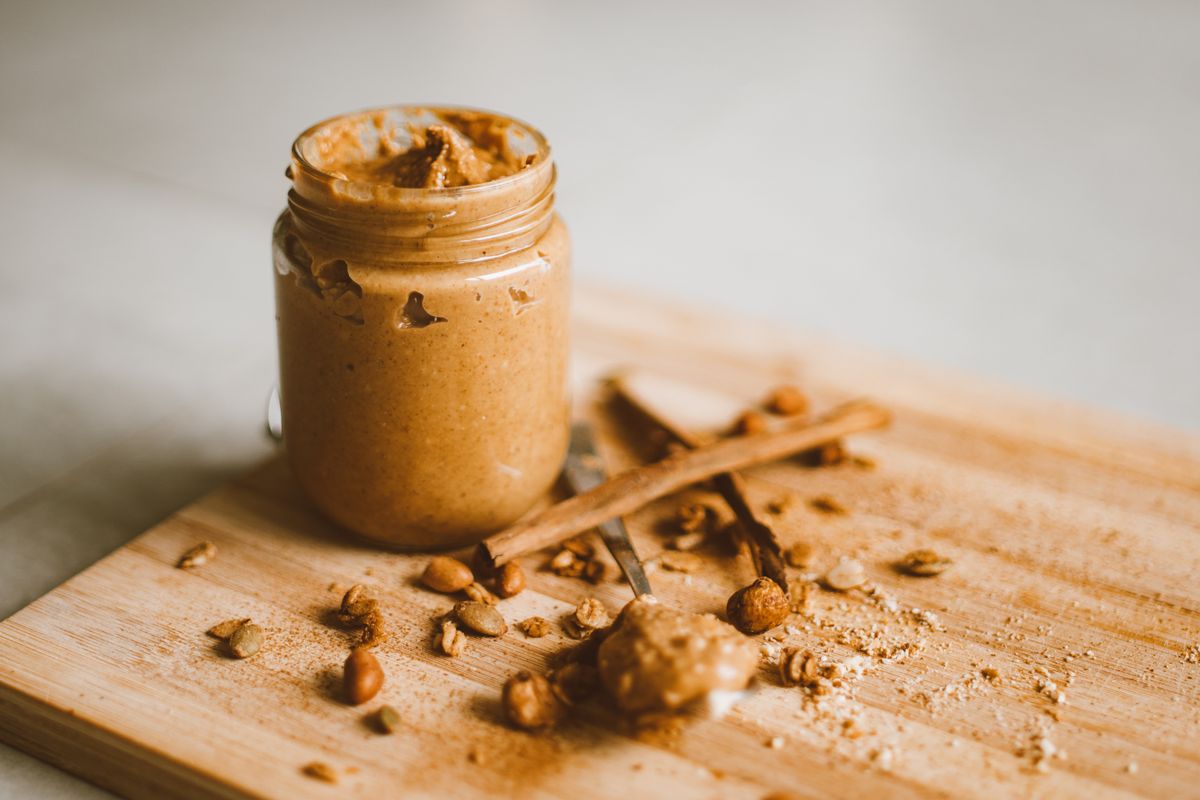
A peanut butter and pickle sandwich sounds like the kind of combination that might have appeared as a modern food experiment, but it has a much older American history.
The pairing has been associated with the Great Depression era, although evidence of the sandwich appearing earlier exists as well, including a 1914 Kansas City Journal notice. NPR has also explored the long, unexpected history of the peanut butter and pickle sandwich, which has been around far longer than many people assume.
The appeal comes from the contrast: creamy peanut butter meets the sharp, tangy flavor of pickles. For some people, that mix feels like a classic old-fashioned sandwich that deserves more attention. For others, the two ingredients seem like they were invited to the same plate by accident.
Either way, it is proof that a humble sandwich can have a story long enough to surprise anyone who thought it was just a pantry invention.
French Fries and Milkshake
Few fast-food habits create as much curiosity as dipping a French fry into a milkshake. There is no confirmed first person who decided that a salty fry belonged in a sweet, cold shake. Instead, the practice appears to have developed naturally as diners and fast-food restaurants served both items together.
For fans, the combination works because the salty crunch of the fry meets the smooth sweetness of the shake. For skeptics, the idea of dropping a perfectly crisp fry into a milkshake can feel like an unexpected turn.
The pairing became especially connected with the Wendy’s Frosty and fries ritual, but the idea is bigger than any one restaurant. Sometimes food traditions do not begin with a big announcement; they simply happen when someone at a table decides to try something different.
Pineapple and Pizza
Few pizza toppings have inspired as much conversation as pineapple. The famous ham-and-pineapple version known as Hawaiian pizza is widely credited to Greek Canadian restaurateur Sam Panopoulos, who introduced it at his family’s Satellite Restaurant in Chatham, Ontario, in 1962.
The name itself adds to the confusion. Hawaiian pizza did not originate in Hawaii; it was named after the brand of canned pineapple used in the creation. As The Globe and Mail reported in its account of how Sam Panopoulos created Hawaiian pizza in Ontario, the name came from the canned-pineapple label rather than the U.S. state.
For fans, the sweet and savory combination is part of what makes the pizza memorable. For skeptics, pineapple changes the familiar idea of what a pizza should be. Either way, the topping has earned a permanent place in food conversations far beyond its Canadian beginnings.
Ranch and Pizza
Ranch dressing has become a familiar companion to many foods, and pizza is one of the pairings that can quickly divide a table. Ranch itself traces back to Hidden Valley Ranch near Santa Barbara, California, where Steve Henson served a buttermilk-and-herb dressing in the 1950s.
The exact origin of pairing ranch specifically with pizza is less clear. Some accounts connect an early version of the practice to an Ann Arbor high-school setting around 1992, while other food-culture explanations suggest ranch may have appeared at pizzerias as a breadstick dip before becoming associated with pizza crusts and slices. Michigan Public examined the uncertain Michigan-origin story behind pizza and ranch, showing why the combination has more folklore than a single, settled creation story.
For some diners, ranch belongs right beside a pizza order. For others, pizza already has everything it needs. The mystery of exactly how the pairing became popular only adds another layer to the debate.
Mac and Cheese and Ketchup
Macaroni and cheese has long been a familiar comfort-food favorite, and boxed versions helped make it a common convenience-food staple after Kraft introduced its boxed macaroni-and-cheese product in 1937. But the history of adding ketchup to mac and cheese is much less documented.
That does not stop the combination from appearing in plenty of home kitchens. For some families, a little ketchup is simply a familiar way to customize a bowl. For others, the bright red addition changes the entire personality of a dish they prefer to keep simple.
The funny thing about food habits is that they often do not need a famous origin story. Sometimes a combination exists because one person tried it years ago, liked it, and quietly kept doing it.
Watermelon and Salt
Salted watermelon has connections to Southern summer food culture, including picnics, barbecues, and potlucks. Historical South Carolina newspaper archives even include a 1910 watermelon preparation involving salt and ice. At the same time, salting watermelon is not limited to one region, with versions of the practice appearing in food traditions in Japan and elsewhere.
For some people, salted watermelon is a familiar summer tradition passed around at gatherings. For others, a slice of watermelon already feels complete without any extra seasoning.
That difference is exactly what makes the pairing interesting. A small shake from a salt container can turn an ordinary summer snack into a conversation starter, especially when someone nearby wonders why anyone would change a perfectly good slice.
Food combinations do not need universal agreement to become part of everyday culture. A peanut butter sandwich, a pizza topping, or a simple slice of fruit can carry family memories, regional habits, and personal preferences. The next time one of these pairings appears, the real question may not be whether it belongs, but whether you would defend it, avoid it, or enjoy it quietly when nobody is watching.