North Carolina’s Fall Food Calendar Is Suddenly Packed, and Restaurants Aren’t the Whole Story
North Carolina’s food scene is having one of those weeks where a simple question like “What should we eat?” can turn into a full travel itinerary. From food trucks in Durham and a new street festival in Raleigh to a major fair’s agricultural competitions and an Asheville event that pairs vendors with makers, eating well right now is about much more than getting a table at a restaurant.
The bigger story is that food is serving as the excuse to gather. North Carolinians are being invited to eat, yes, but also to meet farmers, watch cooking teams, browse local makers, support food banks, see livestock and horticulture entries, and turn a Saturday meal into a community event.
The State Fair Circuit Is Food With a Bigger Purpose
The 2026 N.C. Mountain State Fair wrapped its 10-day run at the WNC Agricultural Center in Fletcher on Sept. 20, and it was never simply a midway full of funnel cakes. The North Carolina Department of Agriculture and Consumer Services built the event around food, livestock shows, exhibits, rides, entertainment, and special themed days, with a Got to Be NC Whole Hog Barbecue Cookoff that brought together 11 competitive cooking teams.
The food is a draw, naturally. Fairgoers could find longtime favorites alongside newer vendors offering specialty roasted coffee, fresh-squeezed lemonade, ice cream, pretzels, nachos, and baked treats. But the fair’s larger purpose remains tied to the region’s agricultural life, with livestock, horticulture, local producers, and youth participation receiving the same attention that often goes to a wildly creative fried-food menu item.
That distinction matters because attendance numbers show the fair remains a significant regional gathering. The state agriculture department reported that 153,260 people attended the 2026 N.C. Mountain State Fair, which also displayed 5,688 entries in the Oakwood Homes Expo Building and logged 3,270 entries in livestock competitions. Those figures put the food in its proper place: it is part of the attraction, but not the whole attraction.
The event also turned eating into a practical act of community support. On Ingles and MANNA Food Day, fairgoers donated 21,971 pounds of food, which state officials said was enough for more than 18,000 meals. That is a very different kind of food-calendar headline from “here is the newest thing to eat,” and it shows why fairs still matter, even to people with no interest in riding the Ferris wheel.
The next major statewide stop is the N.C. State Fair in Raleigh, State Fair in Raleigh, scheduled for Oct. 15 through Oct. 25. The North Carolina Department of Agriculture and Consumer Services says the 2026 fair will bring more than 80 new food items, but it will also feature country ham competitions, agricultural programming, rides, exhibits, and an America 250 theme tied to the nation’s semiquincentennial.
Raleigh and Durham Are Turning Food Into a Street-Level Event
In Raleigh, the food calendar is expanding beyond the traditional restaurant crawl. Shop Local Raleigh’s new NC Oktoberfest, called Prost Y’all, is scheduled to take over Fayetteville Street on Sept. 26 with more than 35 breweries and cideries, about 50 food trucks, 40 local businesses and makers, live music, and fall-themed programming. Admission is free and open to the public.
That lineup tells you exactly what kind of event this is. It is not just a beer festival with snacks parked nearby. Local food vendors, small businesses, and craft producers are part of the same experience, giving people a reason to spend an afternoon downtown rather than make a quick stop for one drink or one meal. The street-festival format also makes room for people usually left out of restaurant conversations, including makers, small retailers, and community organizations.
The next day, Raleigh’s inaugural Carolina Culture Food Fest is set for Moore Square from noon to 6 p.m. on Sept. 27. Organizers describe the event as a free, family-friendly gathering featuring food trucks, chefs, dessert vendors, local businesses, nonprofit organizations, and community leaders from across North and South Carolina. Its tagline, “Where Food, Family & Fun Come Together,” makes the goal clear: food is the entry point, while culture and connection are meant to keep people there.
Durham is working the same formula with its final Durham Central Park Food Truck Rodeo of the season. Scheduled for Sept. 27 from noon to 4 p.m., the event is expected to bring together more than 30 food trucks, plus drinks, inflatables, and family activities. Food-truck events can sound simple on paper, but they do something restaurants cannot always do: put dozens of cuisines and small businesses in one place, with no need to choose a single menu before you arrive.
That kind of access matters in a state where local food culture is not limited to one city or one cuisine. One person can show up looking for barbecue, another can search for dessert, and someone else can find a vendor they may later support at a market, brewery, pop-up, or permanent storefront. The food may be mobile, but the economic and community connections it creates can stick around.
Western North Carolina Adds Farms, Apples, and Makers
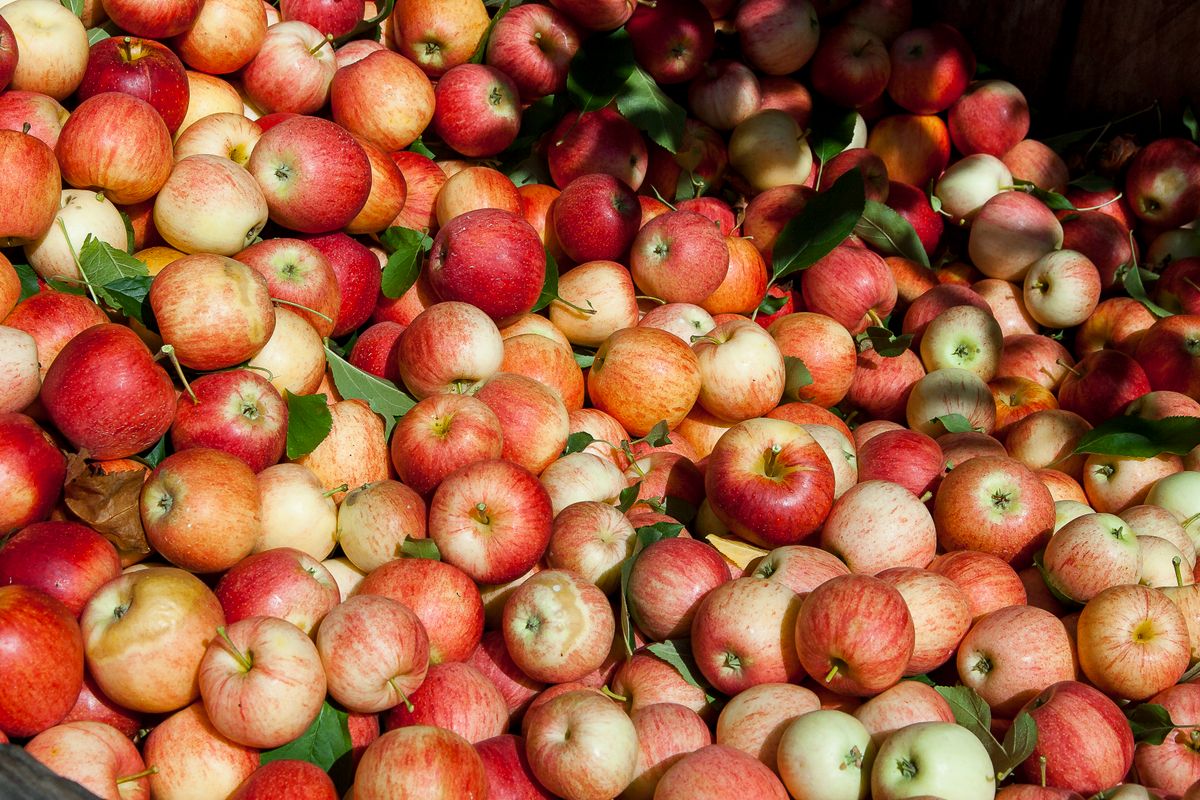
Western North Carolina’s food calendar has its own rhythm, one tied closely to agricultural seasons. Hendersonville’s 2026 N.C. Apple Festival ran Sept. 4 through Sept. 7, celebrating apples, local culture, and community spirit in downtown Hendersonville. The festival’s timing is no accident. Apple season gives the region a reason to celebrate its farms, orchards, vendors, and food traditions together rather than treating local produce as a quiet background detail.
The state’s fall calendar also highlights farm-centered outings beyond festival grounds. WNC Recovery, a North Carolina government initiative, encouraged residents and visitors to take part in ASAP Farm Tours alongside the Mountain State Fair, framing farm visits as part of a broader regional experience connected to growers, agricultural education, and Western North Carolina’s recovery and resilience.
Meanwhile, Asheville’s Foodees Fest is underway at Tanger Outlets Asheville from Sept. 25 through Sept. 27. The official event listing says visitors can expect more than 40 food vendors alongside dozens of crafters and artisans, with free admission and free on-site parking. The combination feels especially fitting for Asheville, where a food event can easily become a shopping, art, and people-watching outing before anyone settles on dessert.
The pattern across the state is clear. North Carolina’s packed food calendar is not merely a collection of places to buy lunch. It is a mix of agricultural showcases, charity drives, neighborhood festivals, local-business markets, food-truck gatherings, craft events, and seasonal celebrations built around what people grow, cook, sell, and share.
The Bottom Line: North Carolina has plenty of reasons to eat well this fall, but the best food events offer more than a plate. Whether it is the Mountain State Fair’s food donations and livestock competitions, Raleigh’s food-and-maker street events, Durham’s food-truck rodeo, or Western North Carolina’s apple and farm celebrations, the state’s food calendar is really a guide to how communities gather.