How to Create Beautiful Boards and Platters for Any Party
When entertaining guests, food presentation can be as important as the flavors themselves. Boards and platters have become a popular way to serve party food because they combine convenience, creativity, and visual appeal. Instead of preparing many separate dishes, hosts can create one impressive spread that allows guests to choose from a variety of foods and enjoy a relaxed, social dining experience.
The ideas behind boards and platters focus on creating generous arrangements of complementary foods. A well-designed board brings together different textures, colors, and flavors, turning simple ingredients into an attractive centerpiece for gatherings. From classic charcuterie boards to dessert displays and brunch platters, these arrangements provide flexible options for different occasions.
The Appeal of Boards and Platters
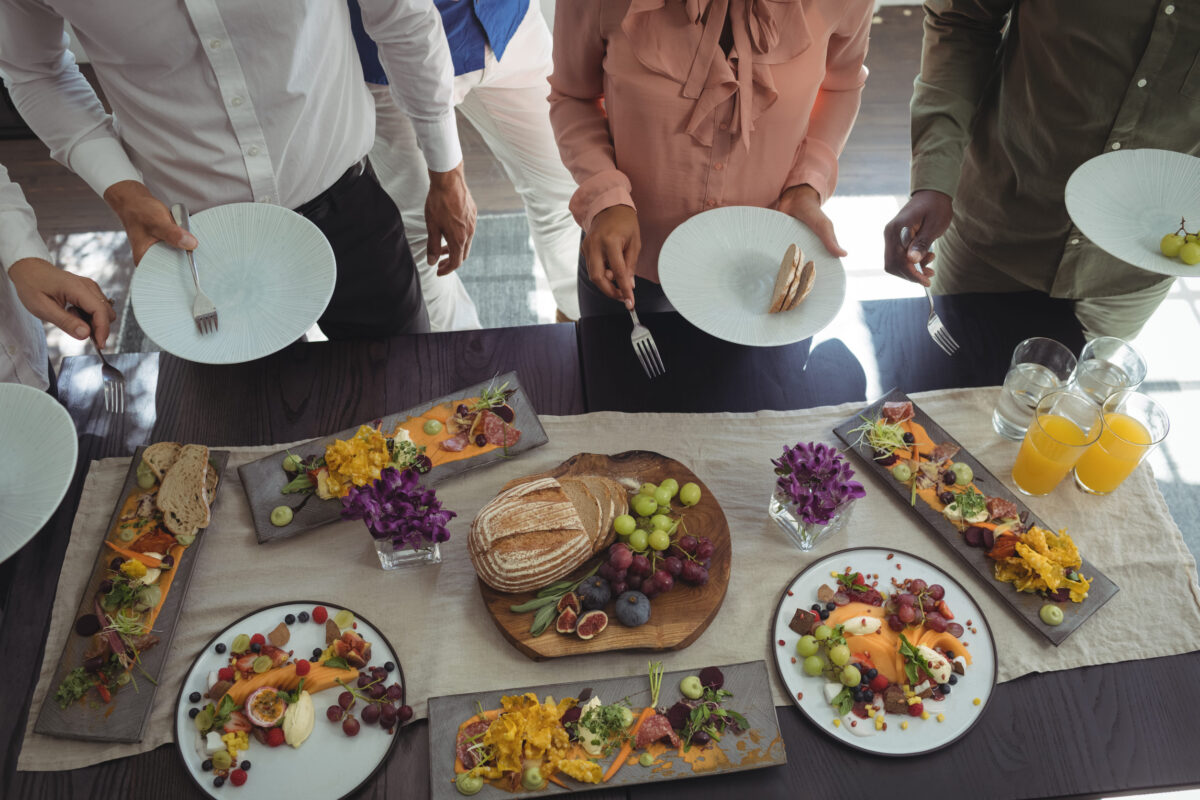
One of the main reasons boards and platters work well for parties is that they encourage sharing. Instead of serving each guest an individual plate, a large board allows everyone to sample different items at their own pace. This makes conversations easier and creates a more casual atmosphere.
Boards are also practical for hosts because you can prepare many ingredients in advance. Cheese can be arranged, fruits can be washed and prepared, and spreads can be placed in small bowls before guests arrive. This reduces last-minute prep and lets the host spend more time with guests.
Another advantage is flexibility. A board does not need to follow a strict recipe. You can adapt it to the occasion, available ingredients, guest preferences, and season.
Building a Classic Charcuterie Board
A charcuterie board is one of the most recognized types of party platters. Traditionally, it includes cured meats, cheeses, breads, crackers, fruits, nuts, and spreads. The goal is to balance savory, sweet, creamy, and crunchy elements.
A successful charcuterie board usually includes a variety of meats and cheeses. Different cheeses provide different textures and flavors, such as soft cheeses, firm cheeses, and aged varieties. Cured meats add richness and saltiness, while crackers and bread provide a base for combining ingredients.
Additional items help complete the experience. Fresh fruits such as grapes or berries can add sweetness and color. Dried fruits, nuts, olives, and small bowls of jams, honey, or mustard can add extra flavor. These extras also help fill spaces on the board and make the arrangement look abundant.
The key is variety. A board becomes more interesting when guests can combine different foods in different ways. A bite might include cheese with fruit, meat with crackers, or a spread paired with bread.
Related article: 7-fruits-and-juices-that-can-help-support-energy-levels/
Creating an Attractive Presentation
A board’s appearance is an important part of the experience. The goal is not only to provide food but also to create a display that invites guests to explore it.
A good approach is to begin with larger items. Bowls of dips, larger pieces of cheese, or clusters of fruit can anchor the arrangement. Then place smaller foods around these items to create a full, balanced look.
Layering is another useful technique. Instead of placing each ingredient separately in straight lines, overlapping foods can create a more natural, plentiful look. Group crackers together, fold or arrange meats in sections, and use smaller ingredients to fill open spaces.
Color and texture also matter. Bright fruits, green herbs, colorful vegetables, and different cracker types can make the board more visually appealing. A mix of smooth cheeses, crunchy nuts, soft fruits, and crisp crackers creates variety for the eyes and the palate.
Different Types of Party Boards
Although charcuterie boards are popular, you can create party platters in many other ways.
Cheese Boards
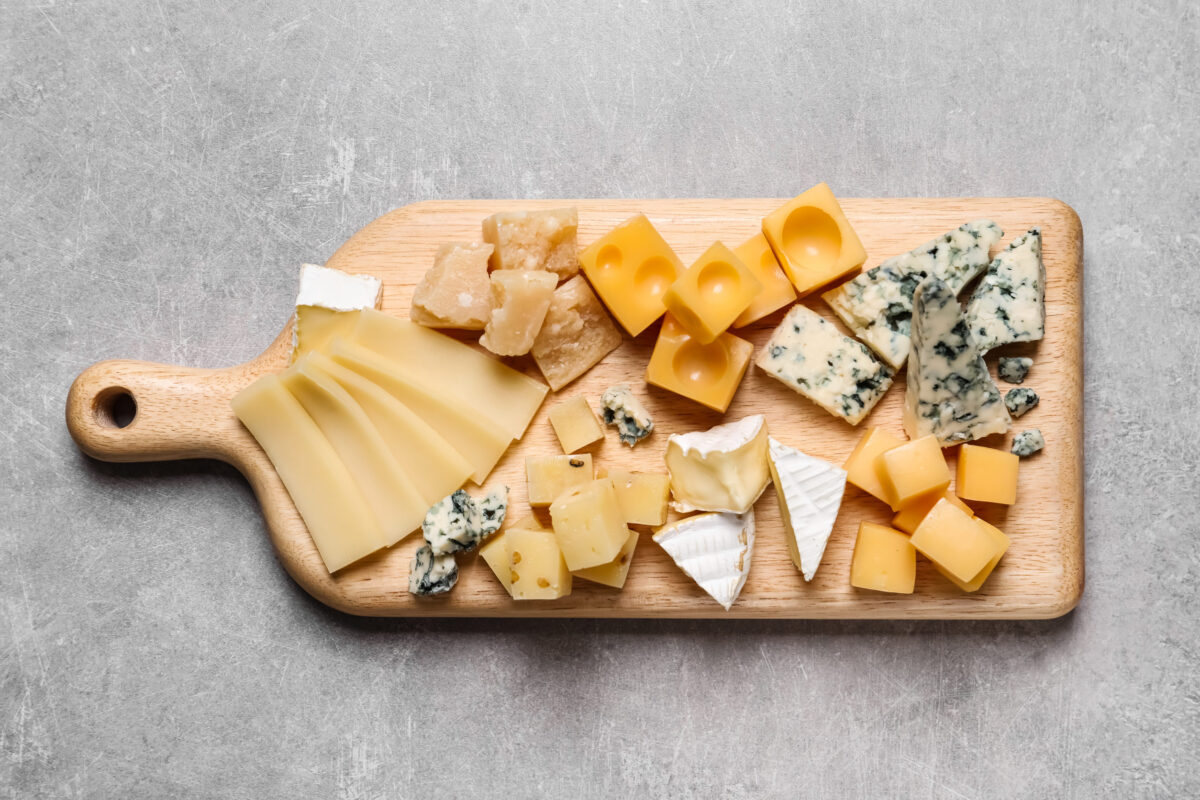
A cheese board focuses mainly on different types of cheese with supporting ingredients. It can include crackers, bread, fruit, nuts, and spreads. This option works well for guests who enjoy simple, elegant snacks.
Dessert Boards
Dessert boards offer a sweet alternative. They can include cookies, chocolates, candies, fruit, pastries, and sweet dips. These boards are especially suitable for celebrations, family gatherings, and special occasions.
Breakfast and Brunch Boards
A breakfast board can include pastries, fresh fruit, spreads, breads, and breakfast favorites. These are useful for relaxed morning gatherings where guests can serve themselves throughout the event.
Seasonal and Themed Boards
You can also design boards around a theme or season. A holiday board might use seasonal colors and ingredients, while a regional board can highlight foods inspired by a particular cuisine or location. The theme guides ingredient choices while still allowing creativity.
Choosing Ingredients for Balance
The best boards include a mixture of flavors and textures. A good balance often includes something salty, something sweet, something creamy, something crunchy, and something fresh.
For example, a savory board may combine salty cured meats with creamy cheese, crunchy crackers, sweet fruit, and flavorful spreads. A dessert board may balance rich chocolate with fresh fruit and lighter treats.
Also consider guests’ preferences. Including a variety of options makes the board more welcoming. Some guests may prefer cheese and crackers, while others may enjoy fruit, nuts, or sweeter additions.
Tips for Easier Hosting
Preparing a board does not have to be complicated, and a few simple planning steps can make the process easier. Choose a board size that matches the number of guests you are serving, and prepare ingredients ahead of time whenever possible to reduce stress before the event.
It also helps to arrange serving utensils, knives, and small bowls before guests arrive so everything is ready to use. Store foods that require different temperatures appropriately until serving to maintain quality and freshness.
Most importantly, focus on creating variety rather than trying to achieve a perfect display. A board’s purpose is to encourage enjoyment and sharing, not create unnecessary pressure. A homemade arrangement made with simple ingredients can be just as welcoming and appealing as an elaborate display.
Turning Food into a Centerpiece
Boards and platters show that party food can be both practical and creative. They transform everyday ingredients into a centerpiece that encourages guests to gather, share, and connect.
Whether it is a traditional charcuterie board, a colorful dessert platter, or a themed celebration spread, the key elements are variety, thoughtful arrangement, and food guests will enjoy. By combining different flavors, textures, and colors, hosts can create a memorable experience without needing complicated recipes or extensive preparation.
A successful board is ultimately about hospitality. It gives guests the freedom to explore different combinations, enjoy conversation, and share food. That combination of simplicity and creativity is what makes boards and platters a lasting choice for parties and gatherings.
Other articles you may like:
– the-7-best-breakfast-foods-you-need-to-try-in-2026/
– 6-reasons-why-skipping-dinner-could-be-more-beneficial-than-skipping-breakfast/
– 10-delicious-cheese-types-perfect-for-boards-and-cooking/