6 Charcuterie Board Flavor Combinations to Avoid and What to Try Instead
A well-made charcuterie board is all about balance. The best boards bring together different flavors, textures, and ingredients so each component can shine. Salty cured meats, creamy cheeses, sweet fruits, crunchy nuts, and tangy accompaniments can create a memorable experience when they work together. However, combining too many intense flavors in one bite can sometimes overwhelm the palate.
According to food scientist Abbey Thiel and chef Christopher Aguirre, successful flavor pairings depend on several factors, including aroma, texture, intensity, and contrast. While taste is influenced by personal preferences, genetics, culture, and past experiences, some combinations are more likely to create an unbalanced eating experience.
Thiel explains that flavor is strongly connected to aroma. When we eat, aroma compounds travel to the nose and shape how we perceive food. Genetic differences can affect how strongly people detect certain aromas, which is one reason why the same ingredient may taste different to different people.
Beyond genetics, flavor harmony often comes from balance. Foods that share similar aroma compounds can pair well, but that doesn’t explain every successful combination. Texture and intensity also matter. A rich ingredient may benefit from something fresh, acidic, or crunchy to create contrast. On a charcuterie board, the goal is not to avoid bold flavors but to combine them thoughtfully.
Here are six flavor combinations that may not work well together and what to choose instead.
Spicy Hot Peppers and Funky Cheeses
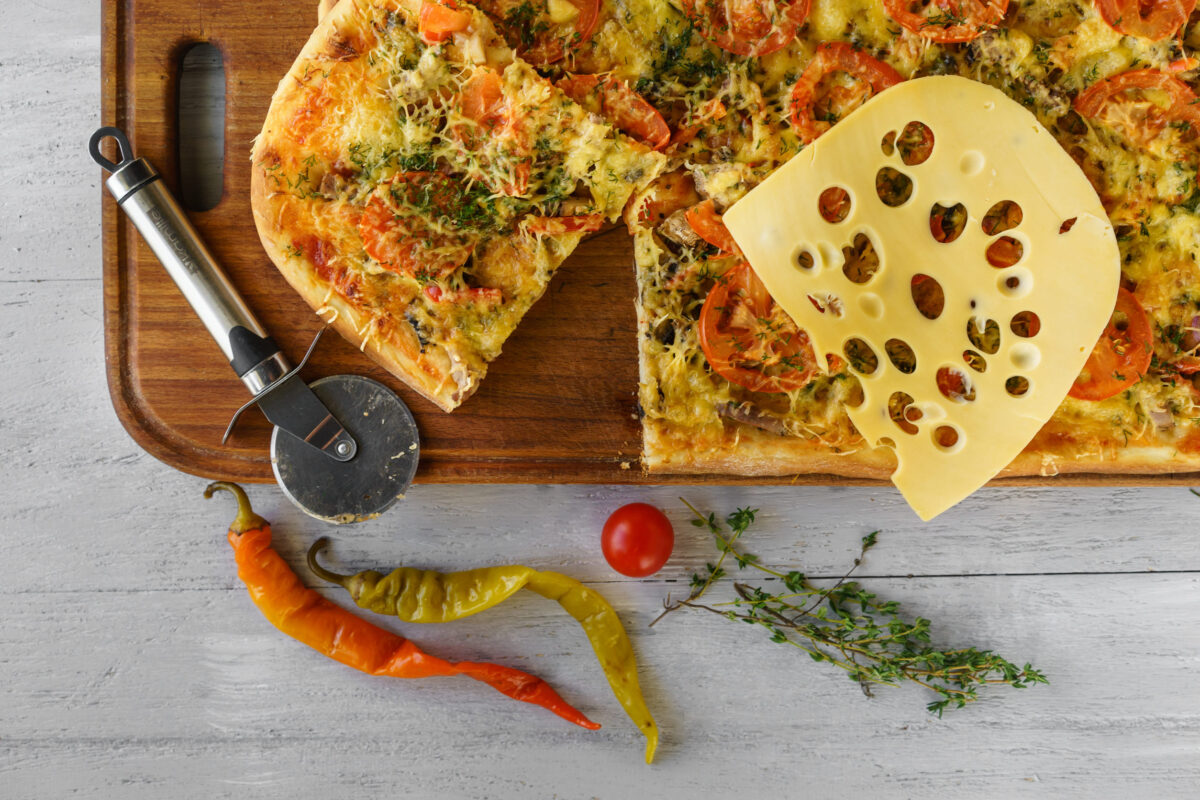
Spicy peppers can add excitement to a charcuterie board, but pairing them with strong, funky cheeses may create an overwhelming bite. Chef Aguirre explains that pepper heat can amplify the bitterness and strong flavors of certain aged cheeses.
Funky cheeses already have powerful aromas and flavors. When combined with intense spice, the two elements can compete rather than complement each other.
A better pairing is to serve spicy peppers with a mild, creamy cheese such as brie. Brie’s smooth texture and gentle flavor can soften the heat while creating a more balanced combination. The cheese’s creamy fat also contrasts with the sharp sensation of spicy ingredients.
Funky Cheese and White Chocolate
Cheese and sweet ingredients often work beautifully together, but not every sweet addition matches every cheese. Pairing a strong, aromatic cheese with white chocolate can result in a combination that feels overly rich.
According to Thiel, both ingredients have powerful qualities that may compete for attention. Funky cheeses often have complex savory flavors, while white chocolate brings intense sweetness and richness. Together, they may create a heavy flavor experience rather than a balanced one.
Instead of white chocolate, consider lighter sweet accompaniments such as honey, fig jam, or dried fruit. These options add sweetness while keeping the cheese’s character noticeable. Fruits and preserves also provide a natural contrast to salty and savory ingredients.
Pickled Vegetables and Citrus
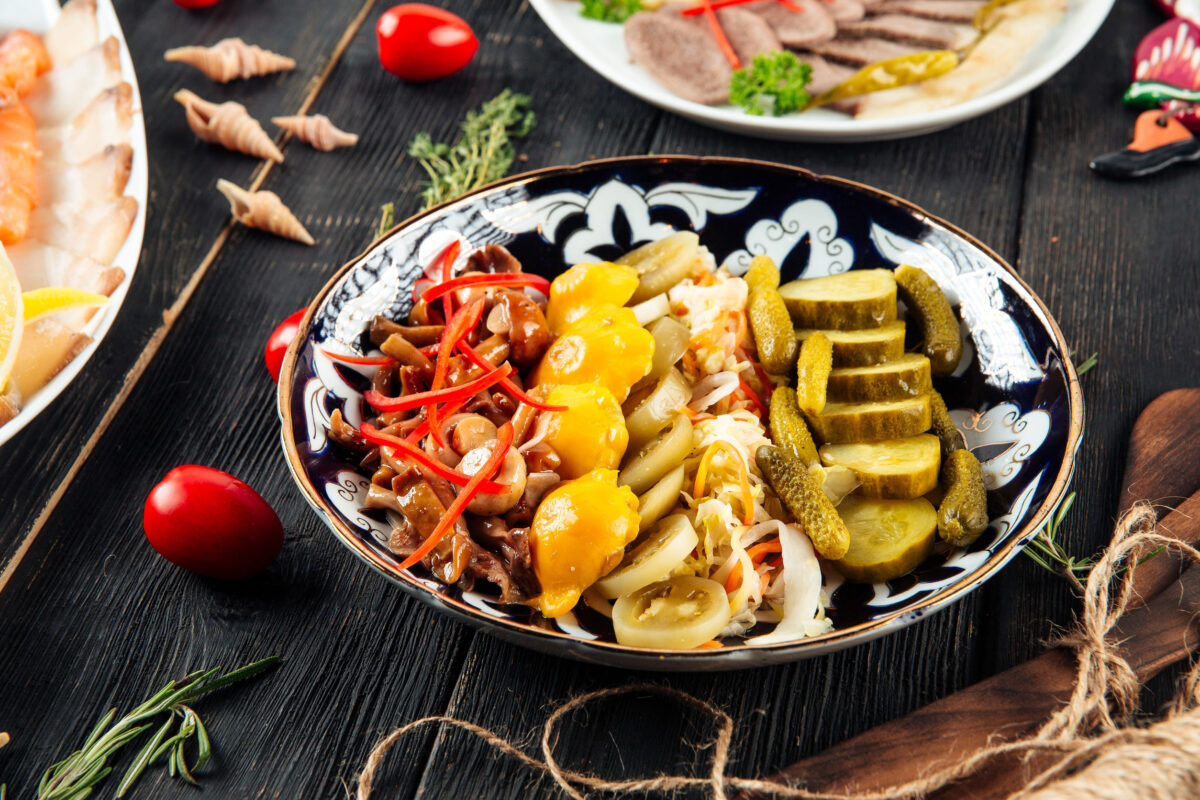
Pickled vegetables are popular additions to charcuterie boards because they provide acidity and help cut through rich foods. Citrus fruits can also bring brightness and freshness. However, combining both in the same bite may create too much acidity.
Chef Aguirre notes that pickled vegetables and citrus can compete because both deliver strong sour flavors. When acidity dominates, other flavors on the board may become harder to appreciate.
A better option is to pair pickled vegetables with a rich, fatty cheese such as feta. The cheese’s creamy texture and richness can balance the brine’s sharpness, creating a more rounded bite.
Related article: 8-highly-protein-rich-vegetables-you-need-to-include-in-your-diet/
Citrus and Dark Chocolate
Dark chocolate is a popular addition to modern charcuterie boards, especially when paired with fruits, nuts, and cheeses. However, combining very tart citrus with bitter dark chocolate can create an intense flavor combination.
Thiel explains that the strong acidity of citrus and the bitterness of dark chocolate may be too much for some palates when combined. Instead of creating contrast, the two flavors can sometimes compete.
A better choice is to pair dark chocolate with ingredients that complement its bitterness. Orange, raspberries, or nuts can work well because they provide sweetness, texture, or balanced fruit flavors. These additions enhance the chocolate rather than overpowering it.
Smoked Cheese and Smoked Meats
Smoked ingredients are popular on charcuterie boards because they add depth and a savory character. However, using too many smoked components can make the board feel one-dimensional.
Aguirre warns that combining smoked cheeses with smoked meats can result in too much smoke flavor. When multiple ingredients have the same dominant characteristic, other flavors may become less noticeable.
To create more balance, pair smoked meats with fresh or mild cheeses. A softer cheese can provide contrast and let the meat’s smoky flavor stand out without overwhelming the entire bite.
Blue Cheese and Truffle
Blue cheese and truffle are both known for their strong, earthy qualities. While each ingredient can add complexity to a dish, combining two highly distinctive flavors may create competition rather than harmony.
Chef Aguirre describes blue cheese and truffle as dominant flavors that can be hard to balance. Instead of combining two intense ingredients, it is often better to let one strong flavor take the lead.
Aged gouda paired with truffle is suggested as an alternative. The nutty, savory qualities of aged gouda can support the earthiness of truffle while creating a smoother overall flavor experience.
How to Build a Balanced Charcuterie Board
Creating a successful charcuterie board does not require avoiding bold flavors entirely. The key is selecting ingredients that work together. Chef Aguirre recommends choosing a focal ingredient, such as a favorite cheese or cured meat, and building the rest of the board around it.
A balanced board should include a mix of textures and flavors. Soft cheeses, firm cheeses, cured meats, fruits, preserves, olives, pickles, nuts, and crackers all contribute different elements. The goal is to create contrast without making every bite feel crowded.
Thiel emphasizes that balance is important. A good board usually includes something salty, something sweet, something creamy, and something crunchy. These contrasts keep the experience interesting while preventing one ingredient from overpowering the others.
Ultimately, there is no single correct way to create a charcuterie board. Personal taste and creativity play an important role. However, understanding how flavors interact can help you design a board where each ingredient has a purpose. By pairing strong flavors carefully and adding balancing elements, you can create a spread that feels inviting, varied, and enjoyable for your guests.
Other articles you may like:
– no-tillamook-didnt-just-make-its-cheese-halal-it-always-was/
– as-americans-get-health-conscious-food-giants-are-cashing-in-on-a-2-3-trillion-market/
– worst-american-foods-that-leave-international-visitors-horrified/