The Kitchen Tools Older Americans Refuse to Throw Away, and Why Younger Cooks Are Wanting Them Back
In many kitchens, the most valued tools are not the newest gadgets with digital displays or smart features. They are often the heavy pan passed down from a grandparent, the hand-operated mixer stored in a cupboard for decades, or the pressure cooker that has survived countless family meals. These tools carry memories, but their appeal is not based on nostalgia alone. Many younger cooks are rediscovering them because they offer durability, simplicity, and a connection to traditional ways of preparing food.
The renewed interest in heirloom kitchen tools reflects a broader shift in cooking culture. Instead of replacing items frequently, many home cooks want products that last, perform reliably, and have a story behind them. Cast iron pans, pressure cookers, and hand mixers represent a style of cooking built around patience and practicality.
The Cast Iron Pan That Never Left the Kitchen
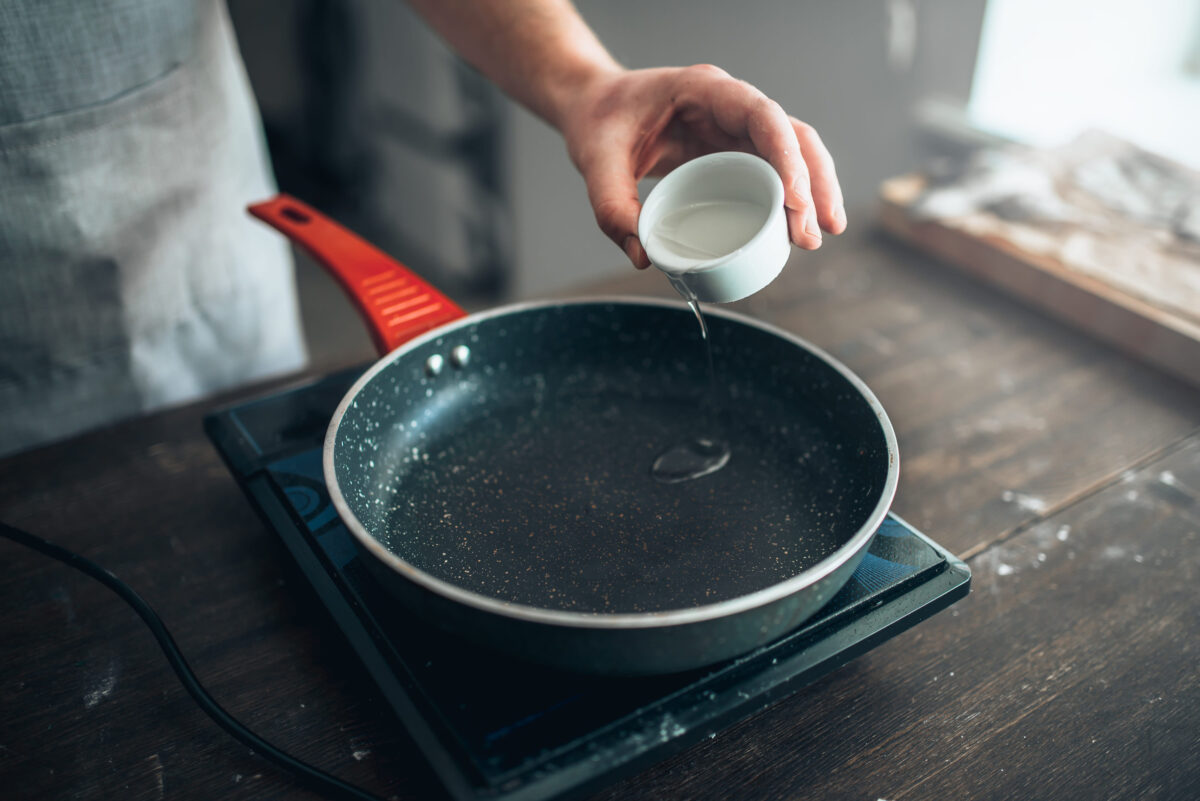
Few kitchen tools have developed the same reputation as the cast iron skillet. For generations, these pans were common household items because they were affordable, durable, and could handle a wide range of cooking tasks. Cast iron cookware has been used for centuries, and in the United States it became especially common in homes during the 19th and early 20th centuries. Brands such as Griswold and Wagner became well known among American cooks during that period.
Unlike many modern pans that eventually lose their nonstick coating or need replacement, a well-maintained cast iron skillet can last for decades. Its cooking surface improves with seasoning, a process in which layers of oil bake onto the metal to create a protective coating. With proper care, older skillets can continue to perform as well as newer ones.
Younger cooks have embraced cast iron because it matches several modern cooking interests. It works well for everything from frying and baking to roasting and searing. Its heat retention makes it especially useful for foods that require strong, consistent temperatures, such as steaks, cornbread, and roasted vegetables.
There is also an environmental appeal. A pan designed to last generations fits with growing interest in reducing waste and buying fewer disposable products. Instead of replacing cookware every few years, some cooks are choosing tools that can become part of a family tradition.
The Pressure Cooker Makes a Comeback
For many older cooks, the pressure cooker was a kitchen essential. It was known for turning tough cuts of meat, dried beans, and slow-cooking recipes into meals in a fraction of the traditional cooking time. The basic idea behind pressure cooking dates back to French inventor Denis Papin in the 17th century, whose steam digester used pressure to raise water’s boiling point and speed up cooking.
Traditional stovetop pressure cookers became popular household appliances during the 20th century. However, some people hesitated about older models because of safety concerns tied to early pressure cooker designs. Modern versions include improved safety mechanisms, such as locking systems and pressure controls, which have helped restore confidence in the technology.
Today, younger cooks are interested in pressure cooking for many of the same reasons earlier generations were. It saves time, helps prepare affordable meals, and works well for batch cooking. The rise of electric pressure cookers has introduced the concept to a new audience, but many cooks still appreciate traditional stovetop models for their straightforward design.
The revival is not simply about returning to the past. It is about recognizing that some older cooking methods solved everyday problems effectively. A tool does not need a touchscreen to be useful.
The Return of the Hand Mixer
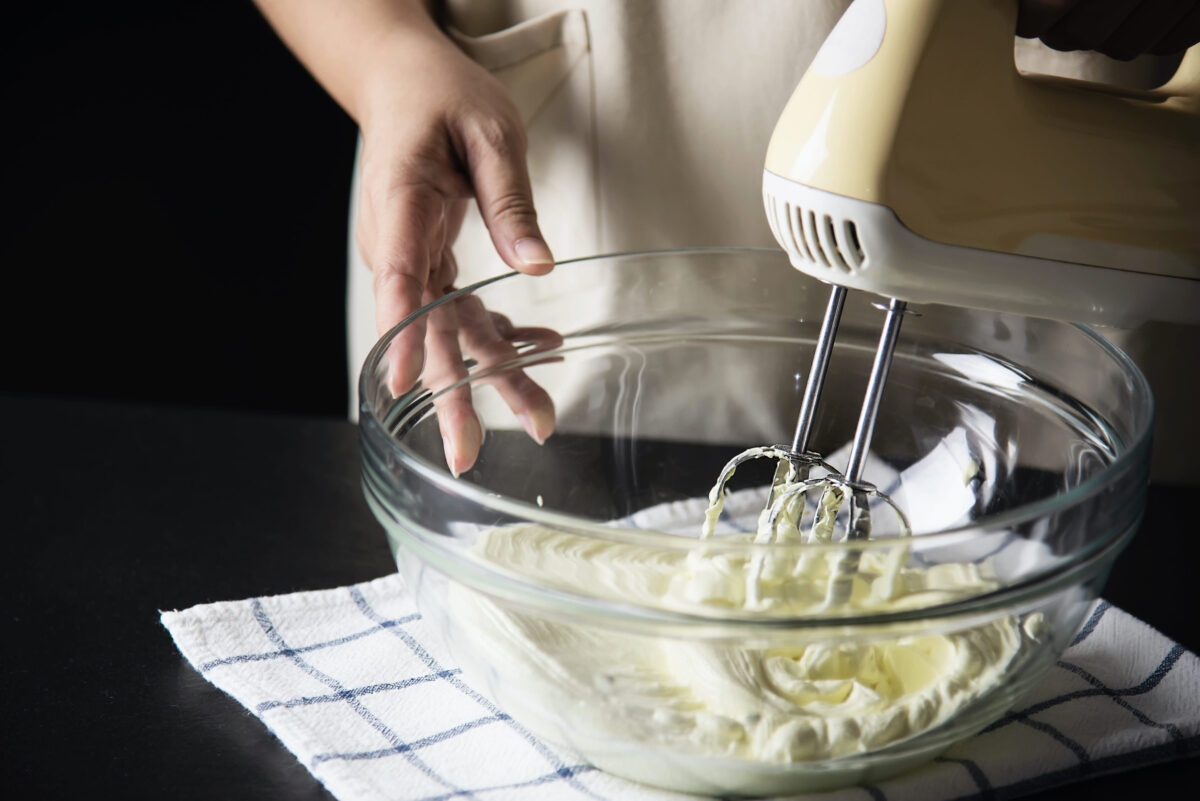
Electric hand mixers may not receive as much attention as cast iron pans or pressure cookers, but they represent another category of practical kitchen equipment. Before large countertop appliances became common, hand mixers offered home bakers a compact way to prepare cakes, whipped cream, batters, and other recipes.
The first hand mixer patents appeared in the 19th century, and electric mixing technology later transformed home baking. While stand mixers remain popular, many cooks appreciate hand mixers because they take up less space, are easier to store, and provide enough power for everyday baking tasks.
Vintage kitchen tools often attract younger cooks because they combine function with character. An older hand mixer may not look like a modern appliance, but it can represent years of family baking traditions. For people who enjoy making recipes from handwritten cookbooks or recreating family dishes, these tools add a sense of continuity.
Related article: kitchen-items-to-declutter-today-before-they-take-over-your-home/
Why Younger Cooks Are Looking Back
The renewed interest in heirloom kitchen tools is part of a larger movement toward traditional skills and slower cooking. Many younger cooks are exploring bread making, fermentation, gardening, and homemade meals, activities that require patience and a connection to ingredients.
Social media has also helped introduce older kitchen tools to new generations. Cooking communities regularly share techniques for restoring vintage cookware, maintaining cast iron seasoning, and using traditional equipment. Collectors and home cooks have shown renewed interest in older kitchen items because of their craftsmanship and longevity.
Another reason for the revival is the desire for authenticity. Modern kitchens are often filled with appliances designed for convenience, but some cooks enjoy tools that require more involvement. A cast iron pan needs care. A pressure cooker requires attention. A hand mixer requires the cook to be present. These qualities can make cooking feel more personal.
More Than Just Kitchen Equipment
Heirloom kitchen tools represent more than their practical purpose. They often carry memories of family gatherings, holiday meals, and everyday routines. A scratched pan or an older appliance may not look perfect, but its imperfections can tell a story.
This emotional connection is one reason many older adults hesitate to throw these items away. They are not simply objects taking up cabinet space. They are reminders of people, places, and traditions. At the same time, younger cooks are discovering that these tools still have value beyond sentiment.
The revival of cast iron pans, pressure cookers, hand mixers, and other traditional tools shows that good design does not always become outdated. Some kitchen equipment survives because it keeps solving problems, performs well, and connects generations through food.
In an age of constant upgrades and replacements, these old tools offer a different message: sometimes the best kitchen technology is the one that has already stood the test of time.
Other articles you may like:
– 5-healthy-spices-to-keep-in-your-kitchen-simple-ingredients-worth-knowing/
– 10-gray-kitchen-ideas-that-actually-feel-chic-in-2026/
– kitchen-color-schemes-that-never-go-out-of-style/