10 Disgusting Foods Americans Secretly Hate But Still Eat
It’s an open secret that many Americans secretly cringe at certain foods but still eat them. Whether it’s the slimy texture, overpowering flavors, or just the sheer awkwardness of the experience, some foods remain part of our meals even though most people find them unpleasant.
So, why do we keep going back for more? Here are 10 foods Americans secretly hate but still eat, driven by cultural pressures, health benefits, and the ever-present desire to fit in at social gatherings.
Cilantro

Cilantro, also known as coriander, is a prime example of a food with a love-it-or-hate-it following. For some people, the herb adds a fresh, zesty flavor to dishes like salsa, tacos, and guacamole. For others, however, cilantro tastes distinctly like soap. This taste aversion is due to a genetic variation in some people’s taste receptors, yet despite the unpleasant flavor for some, cilantro remains a common ingredient in various cuisines.
Liver
Liver is packed with nutrients like iron and vitamin A, but its strong, metallic flavor is one many Americans find off-putting. Despite this, liver is still consumed, especially during traditional meals like liver and onions or as a part of holiday feasts. Many people continue to eat it for its health benefits or simply because it’s a longstanding cultural staple.
Anchovies
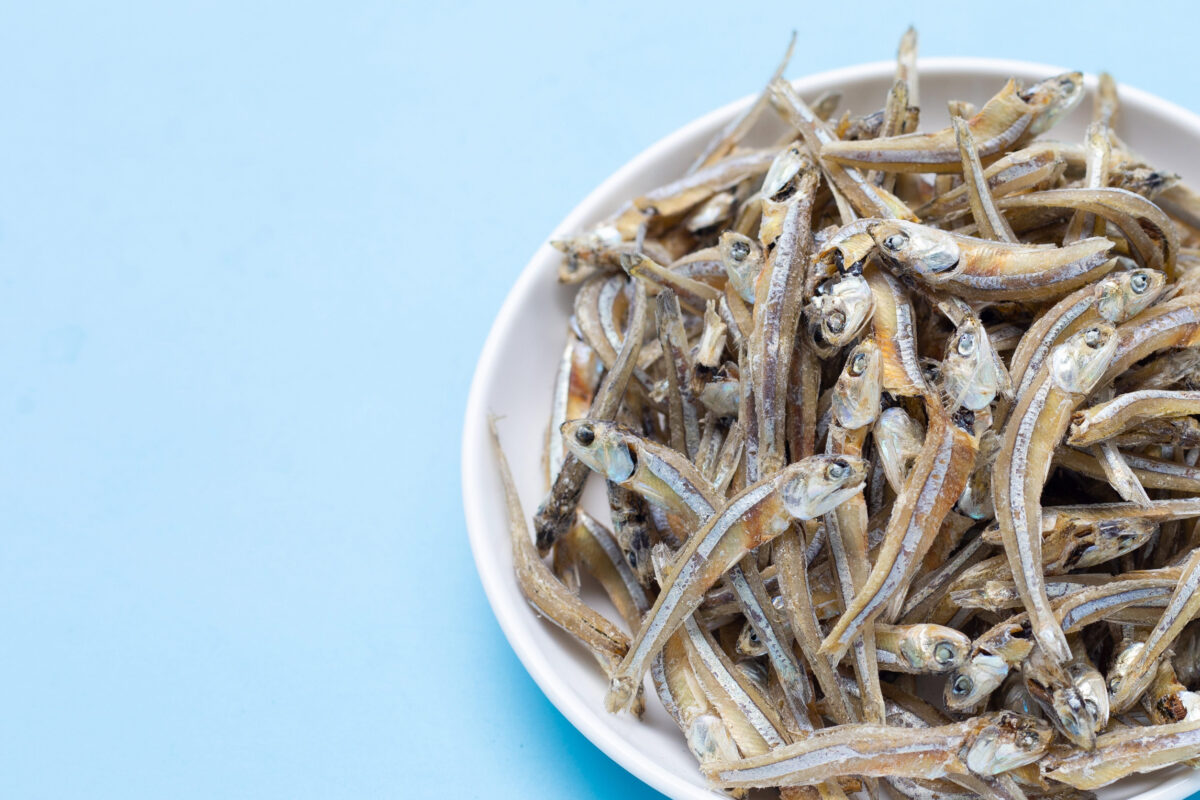
Anchovies, with their intense, salty, and fishy flavor, are often hated but still used in many dishes, from Caesar salads to pizzas. While the strong taste is a deal-breaker for some, others appreciate the umami they provide. Whether you like them or not, anchovies are here to stay, found in countless kitchens across America.
Oysters
Oysters are another food that falls into the category of being both loved and loathed. Their slimy texture and briny flavor are a big turnoff for many, yet they remain a luxury item in many fine dining establishments. Whether raw on the half shell or cooked in a creamy sauce, oysters are an acquired taste that some Americans can’t resist despite the discomfort.
Sweet Potato Pie
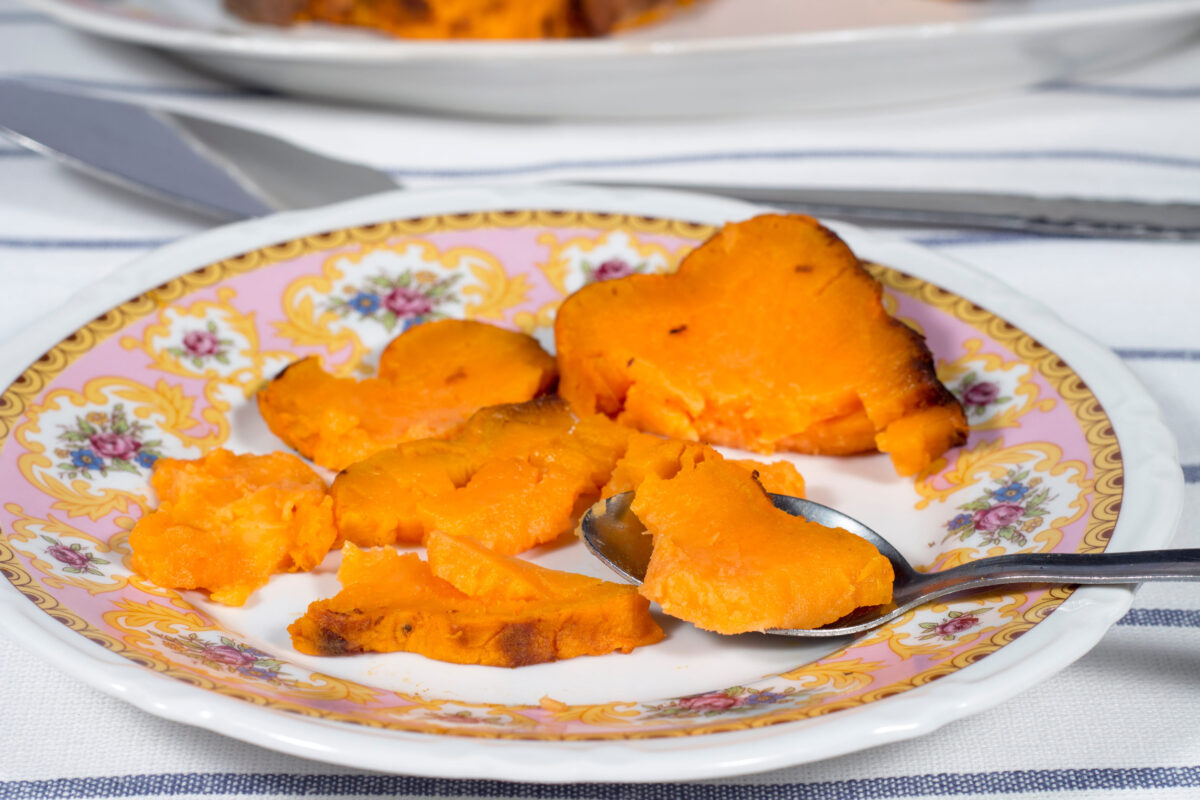
Sweet potato pie is a beloved part of Thanksgiving dinner for many families, but let’s be honest: not everyone enjoys it. The earthy flavor of sweet potatoes, combined with spices like cinnamon and nutmeg, makes for a divisive dessert. Despite its controversial status, many Americans continue to eat it because it’s a holiday tradition they can’t break.
Pickles
Pickles, with their sharp tang and crunchy texture, are one of those foods people either love or avoid. For those who don’t like them, the sourness and sometimes pungent flavor can be overwhelming. Still, pickles are often included in sandwiches, burgers, and salads, and many people eat them to conform to social expectations or because they are simply a staple of American cuisine.
Tofu

Tofu, often referred to as “the blank canvas of the vegetarian world,” is another food that’s frequently eaten despite a lack of love. Its texture and blandness make it hard for some people to enjoy, yet its versatility in various dishes keeps it on the menu. Tofu continues to be consumed by vegetarians, vegans, and those looking to reduce meat intake, even if it’s not a personal favorite.
Caviar
Caviar, the ultimate symbol of luxury, is a delicacy many Americans consume despite not enjoying its strong, fishy flavor. Whether it’s served at fancy parties or featured in high-end restaurants, caviar is often eaten out of social obligation. Its rarity and association with wealth and status mean it remains a part of upscale dining experiences, even for those who find it unpalatable.
Mushrooms

The texture of mushrooms is something many Americans find off-putting, mushy, and spongy. Despite this, mushrooms remain a popular ingredient in dishes ranging from salads to sauces. They are valued for their flavor, nutrition, and versatility, yet many people continue to eat them reluctantly because they are often a necessary ingredient in popular recipes.
Jell-O
Jell-O, with its wobbly texture and artificial sweetness, is another food that many people secretly hate but still eat, particularly at family gatherings or potlucks. The colorful, gelatinous dessert has become a staple of American cuisine, yet its bizarre texture and synthetic taste are often the subject of ridicule.
Health Benefits vs. Discomfort
While many of these “disgusting” foods offer substantial health benefits, such as the high iron content of liver or the omega-3s in anchovies, the discomfort they cause can overshadow their nutritional value. However, people continue to eat these foods for their perceived health benefits or because they are seen as essential to their diet.
For those who wish to overcome their aversion to certain foods, experimentation is key. Pairing disliked foods with more familiar or enjoyable flavors, or changing the way they are prepared, can make them more palatable. It’s also helpful to gradually increase exposure to a food in smaller amounts, allowing the taste buds to adjust.
Conclusion
The foods Americans secretly hate but still eat reflect the complex relationship between personal preferences, cultural influences, and social norms. While some may never develop a taste for foods like cilantro or anchovies, others will continue to eat them, driven by tradition, nutrition, or social acceptance.