10 Toxic Relationship Habits Social Media is Normalizing Right Now
In the world of Instagram-worthy moments, Snapchat stories, and TikTok trends, what’s actually going on behind the screens often gets overlooked. From jealousy disguised as passion to fights posted for sympathy, social media has bred a new era of unhealthy relationship habits.
And while they might look cute or even normal online, they can quietly damage the foundation of real-life relationships. If you’ve ever caught yourself wondering why modern love feels more stressful or uncertain, the answer might lie in these digital dynamics that are now all too common.
Here are 10 toxic relationship habits social media is normalizing right now.
Turning Jealousy Into “Proof of Love”

Jealousy may be painted as passion in the online world, but in reality, it’s a red flag. Posts showcasing possessiveness, whether it’s a partner checking in on who liked a photo or policing social media activity, are seen as signs of a “committed” relationship. But true love doesn’t need surveillance. Healthy relationships are built on trust, not on trying to control or “prove” love through jealousy.
Treating Social Media Likes Like Evidence of Affection
It’s easy to fall into the trap of equating the number of likes or comments on a partner’s post with their level of affection. In the real world, however, this creates an unhealthy standard of validation. If a relationship starts to feel like a series of public performances, it’s time to take a step back and evaluate whether the connection is genuine or just for the camera.
Posting Private Fights for Public Sympathy
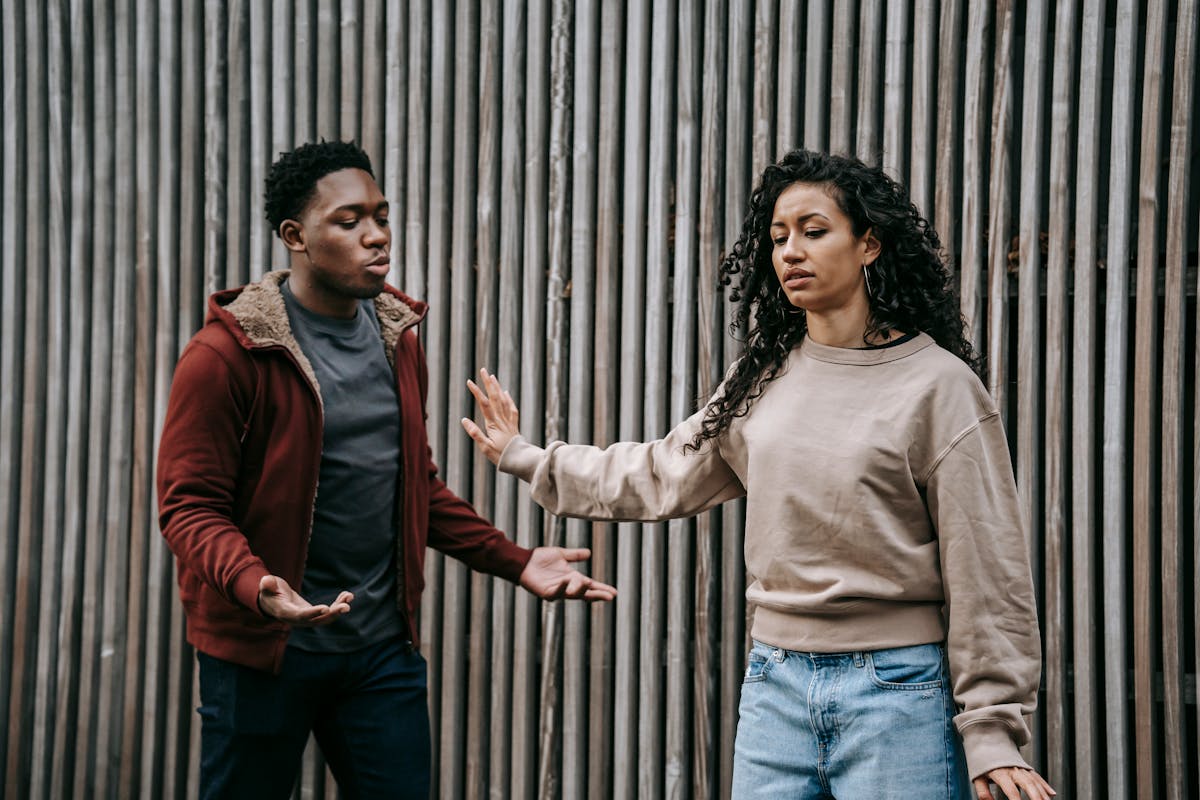
There’s nothing like a public breakup rant to get people talking. Unfortunately, airing private disagreements online can lead to more harm than good. When conflicts go public, they not only damage trust but also make it harder to repair the relationship. Social media might give temporary satisfaction through support or sympathy, but real healing happens behind closed doors.
Love Bombing for a Quick Screenshot
You’ve seen the posts: grand gestures, extravagant gifts, and declarations of love all over your feed. But here’s the catch, love bombing isn’t as romantic as it seems. It’s a quick way to make someone feel emotionally dependent, but it rarely lasts. When the grand gestures fade, so does the trust.
Soft Launching to Create Jealousy

Everyone’s seen the mysterious photos of a partner’s hand, back, or silhouette. While soft launching might seem like a cute way to tease a relationship, it often stems from a need to stir jealousy or prove your worth to others. If your relationship feels more like a public game of cat-and-mouse, it may be time to reset the boundaries.
Ghosting Instead of Having the Hard Conversations
One of the most toxic behaviors that social media has normalized is ghosting. Instead of facing uncomfortable conversations, many choose silence, blocking, unfollowing, or disappearing. While ghosting may feel like a quick fix in the moment, it creates more confusion and emotional harm in the long run.
Using Therapy Words as Weapons
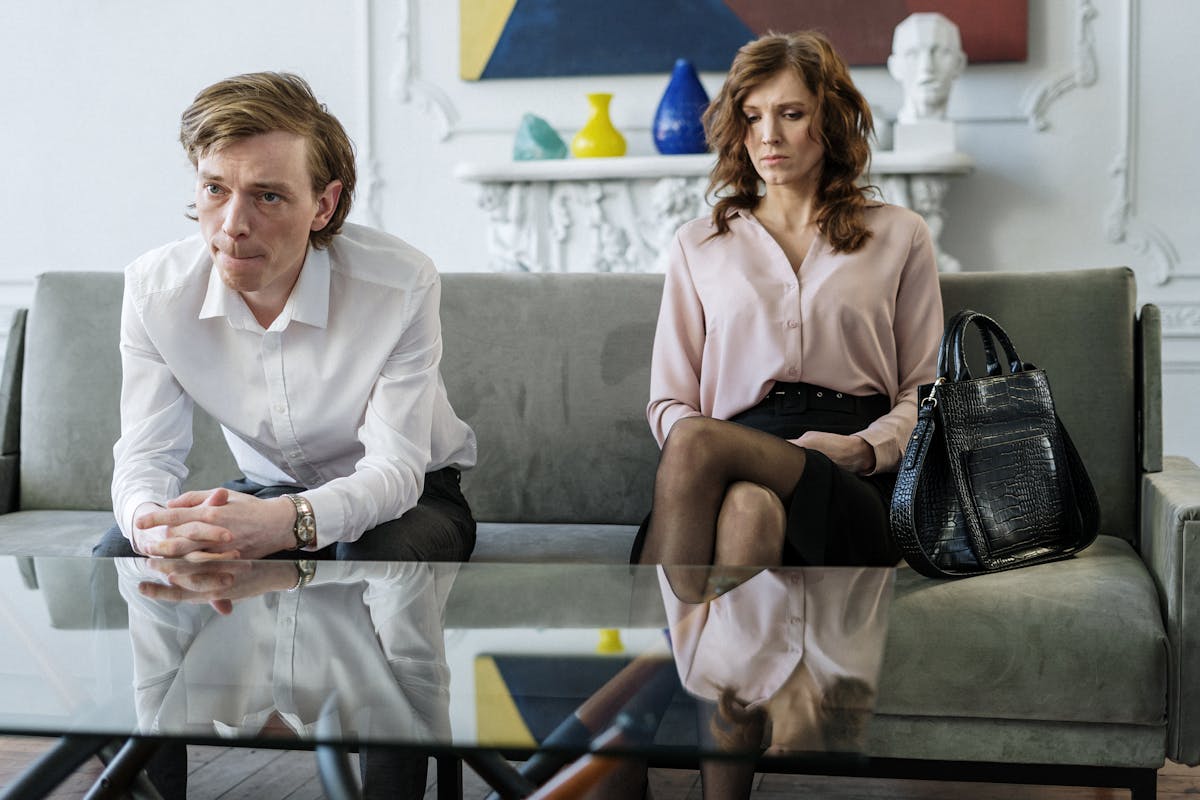
Terms like “gaslighting” or “narcissistic” are often thrown around without much understanding. Social media sometimes distorts these serious mental health terms, turning them into accusations rather than tools for healing. Real emotional growth comes from understanding these concepts, not from weaponizing them in a fight.
Keeping Backup Options Open in the DMs
It’s common for people to keep their options open through DMs or messaging apps while in a relationship, but this behavior only sets up emotional cheating. If your relationship feels like it’s being shared with others without consent, it’s not a healthy connection. Being emotionally available to others while in a committed relationship can quietly erode trust.
Comparing Real Relationships to Instagram Couples

Influencers can make any relationship look perfect. But what’s happening in those influencer couple videos isn’t reality; it’s a curated highlight reel. Comparing your relationship to the flawless images of others only leads to unrealistic expectations and unnecessary self-doubt.
Letting Strangers Vote on Your Relationship
Asking the internet for advice on your relationship or posting for validation can be tempting, but in reality, it dilutes your ability to make decisions based on what’s best for you and your partner. It’s one thing to seek help, but it’s another to let your relationship be dictated by public opinion.
Conclusion
In the digital age, love has to adapt, but it doesn’t need to be distorted. Social media can certainly play a role in modern relationships, but it should never replace real, honest communication and respect. Toxic habits like jealousy, ghosting, and love bombing may seem romantic or normal online, but they’re destructive in real life. By building clear boundaries, practicing trust, and learning to communicate without a screen, you can protect your relationship from the damage these trends cause. True love isn’t about likes or shares; it’s about mutual respect and understanding.