10 Things Americans Keep Buying That Are Quietly Making Them Broke
Things Americans keep buying are not always big, dramatic purchases. They are not always luxury handbags, sports cars, or five-star vacations.
Sometimes the real wallet damage comes from the little things that feel harmless in the moment: a delivery order here, a coffee run there, a subscription nobody uses, a new phone nobody needed, and a cart full of “small treats” that somehow add up to more than a utility bill.
That is what makes this so irritating. Americans are constantly told to budget better, but they are also surrounded by businesses designed to make spending feel normal, easy, emotional, and almost invisible.
The money does not disappear in one grand explosion. It leaks out through convenience, boredom, stress, social pressure, and the dangerous phrase every broke person knows too well: “It’s only a few dollars.”
Daily Coffee Runs That Became a Personality

Coffee used to be a drink. Now it is a lifestyle, a reward system, a morning ritual, and sometimes a financial trap with whipped cream on top. A $6 drink does not sound dangerous until it becomes a weekday habit, then a weekend habit, then a “don’t talk to me until I’ve had it” habit.
Suddenly, the monthly total looks less like coffee money and more like a small car payment wearing cinnamon foam.
The rage is not about coffee itself. Coffee is wonderful. The problem is that many Americans have turned buying coffee into emotional rent. They are not just buying caffeine.
They are buying five minutes of comfort before walking into a job they hate, traffic they dread, or a day that already feels too long. That little cup can seem innocent, but the habit adds up as if it has a secret agenda.
Food Delivery That Turns Dinner Into a Financial Crime Scene
Food delivery is the modern miracle that somehow makes a $13 meal cost $31 by the time it reaches your door lukewarm and emotionally distant.
The food is one price, then comes the delivery fee, service fee, small-order fee, taxes, tip, menu markup, and whatever invisible fee exists because the app needed another button to justify itself.
This is one of the things Americans keep buying even when they know it hurts. The app wins because people are tired.
They do not want to cook, clean, drive, or make any more decisions after a long day. Delivery sells convenience, but the receipt tells the truth. Half the time, people don’t pay for food. They are paying to avoid having to stand in the kitchen.
Subscriptions Nobody Uses, but Everyone Forgets
Subscriptions are tiny vampires with friendly logos. Streaming apps, fitness apps, cloud storage, music platforms, meal plans, delivery memberships, beauty boxes, newsletters, and “free trials” all nibble away quietly until the bank statement looks like it has been attacked by a group of polite pickpockets.
The worst part is that many subscriptions survive because canceling feels annoying. People say they will do it later, and then six months pass. Businesses know this. That is why signing up takes three taps, but canceling sometimes feels like escaping a digital maze.
If Americans checked every recurring charge with the same energy they put into checking social media, half these companies would start sweating.
New Phones That Barely Feel New
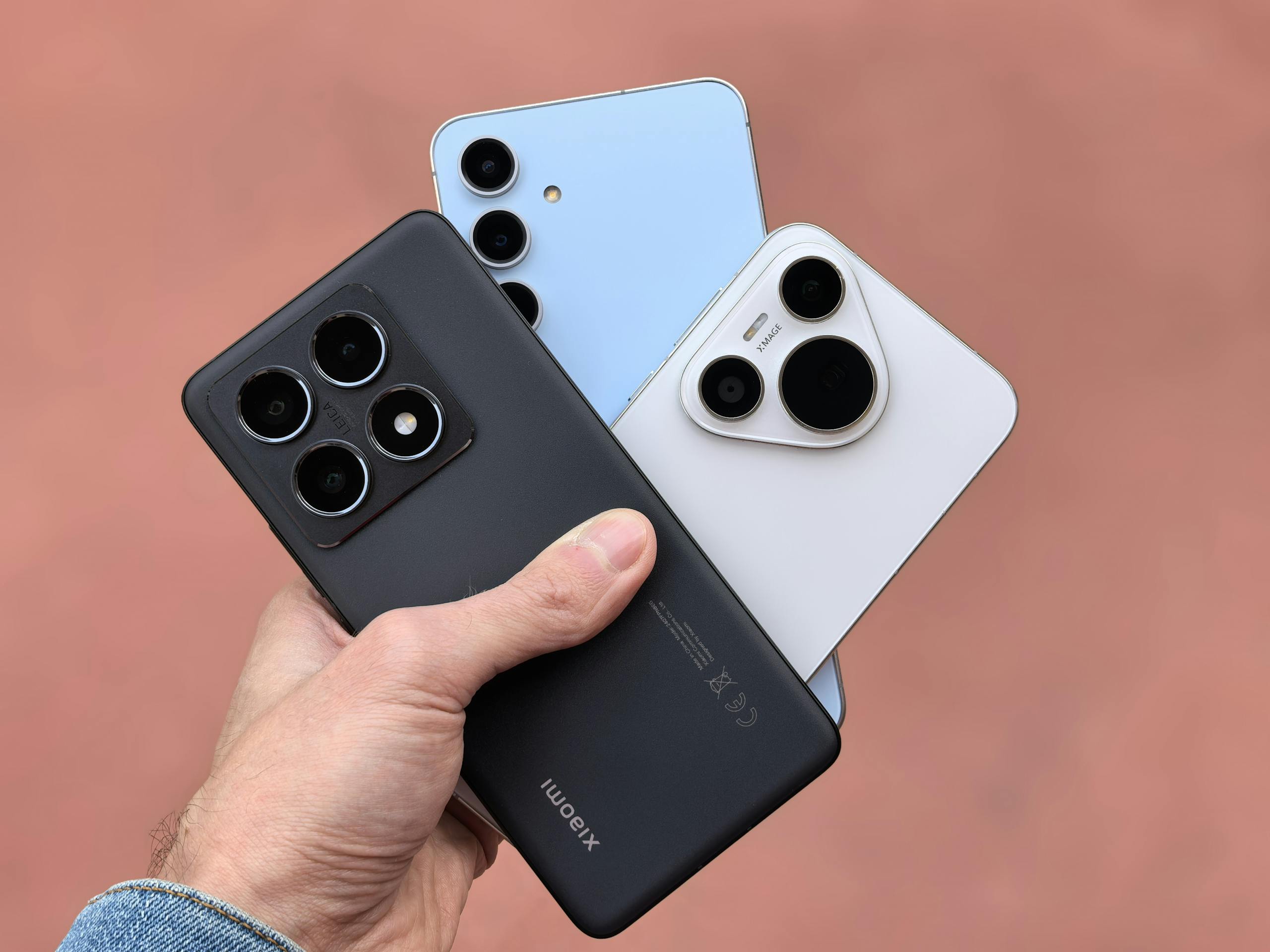
A new phone used to feel exciting. Now it often feels like paying a fortune for a slightly better camera, a battery that behaves for six months, and the privilege of buying another case.
Yet Americans keep upgrading because the marketing is brilliant. The old phone suddenly feels embarrassing, outdated, slow, and personally disrespectful.
Phone culture has become a quiet status game. Nobody wants to be the person with a cracked screen, an old model, or camera quality that makes every photo look like it was taken through a foggy window.
But the truth is ugly: many people are paying monthly for phones that do almost the same thing as the phone they already have. That is not innovation. That is lifestyle pressure with a charging cable.
Car Upgrades That Keep People Payment-Trapped
Car payments have become so normal that people talk about them like the weather. They trade in a car that still works, stretch the loan, upgrade the trim, add features, and convince themselves it is practical because the old car was “getting up there.”
Then they spend years paying for heated seats, bigger screens, and a payment that follows them around like a financial ankle monitor.
A reliable car matters, especially in America. But there is a difference between transportation and ego on wheels. Too many people are not buying cars that meet their needs. They are buying cars so they can be seen at red lights.
The dealership smiles, the monthly payment looks “manageable,” and the buyer drives away with new-car smell and long-term regret hiding in the glove box.
Fast Fashion That Falls Apart Before the Compliment Fades
Fast fashion is cheap until it is not. A $12 shirt feels like a win until it shrinks, fades, twists, pills, or loses its shape after three washes. Then the cycle starts again.
Buy more, wear briefly, replace quickly, repeat until the closet is full, and somehow there is still “nothing to wear.”
This spending habit is especially sneaky because it feels like saving money. People think they are being practical by grabbing low-cost pieces, but low-quality clothing often leads to constant replacement costs. The bigger issue is emotional.
Many Americans are not buying clothes because they don’t need them. They are buying a mood, an identity, a weekend version of themselves, or a tiny hit of confidence that disappears when the package arrives.
Trendy Groceries That Make the Receipt Look Insane
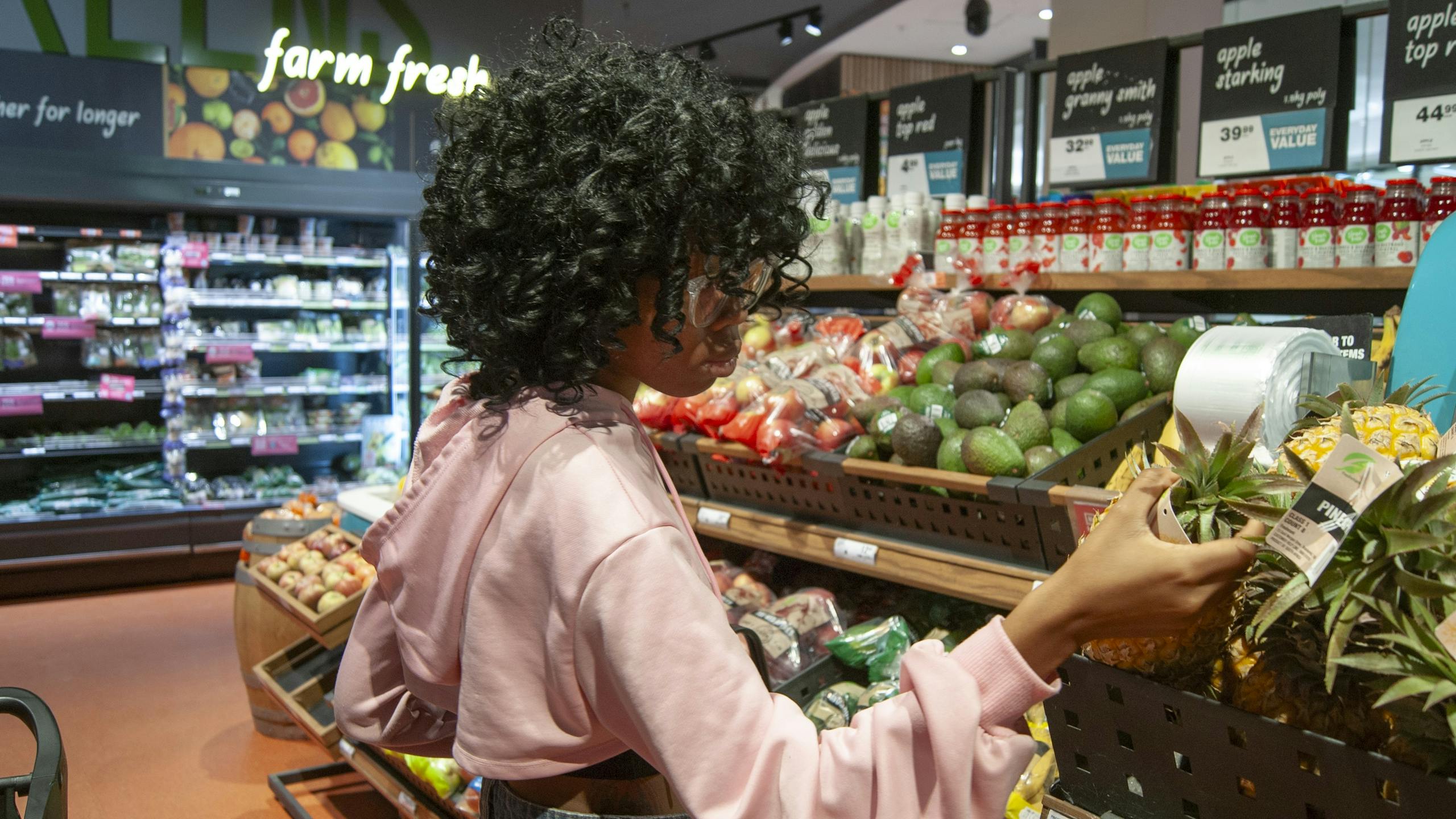
The grocery store has become a battlefield between basic survival and lifestyle branding. Americans walk in for eggs, bread, and chicken, then leave with protein chips, organic snacks, fancy waters, pre-cut fruit, premium sauces, specialty coffee creamer, and a tiny jar of something imported that costs more than dinner should.
Healthy food matters. Good ingredients matter. But some grocery trends are just marketing with better lighting. The label says clean, natural, high-protein, artisan, small-batch, or functional, and suddenly people feel like they are making a responsible choice.
Then the total appears at checkout, and the receipt looks like it should come with a therapist.
Beauty Products That Promise a New Face by Friday
The beauty aisle is where hope goes to get monetized. Serums, creams, masks, oils, toners, primers, treatments, tools, patches, sprays, and miracle products all promise smoother skin, better hair, brighter eyes, and a life where everyone asks what your secret is.
The secret is usually that you spent $86 and still look tired.
This habit hits hard because it feeds insecurity with excellent packaging. Americans are sold the idea that every flaw has a product and every product is one step closer to becoming their “best self.” Some beauty products are useful. Many are just expensive optimism in a bottle.
The industry does not need you to feel ugly forever. It just needs you to feel almost fixed.
Home Decor That Turns Houses Into Endless Projects
Home decor spending can start innocently. A candle here, a throw pillow there, a new rug, a seasonal wreath, a storage basket, a wall print, another lamp, and suddenly the house looks different, but the savings account looks injured.
Americans are constantly told their homes should be cozy, curated, aesthetic, upgraded, organized, and ready for a guest who may never come.
The problem is that content culture has turned ordinary homes into unfinished projects. Every room needs a refresh. Every holiday needs a theme. Every shelf needs styling. Every corner needs a vibe.
A comfortable home is wonderful, but endless decorating can become shopping disguised as self-care. Sometimes the house does not need another accent piece. Sometimes the owner needs to log off.
“Small Treats” That Are Not Small Anymore
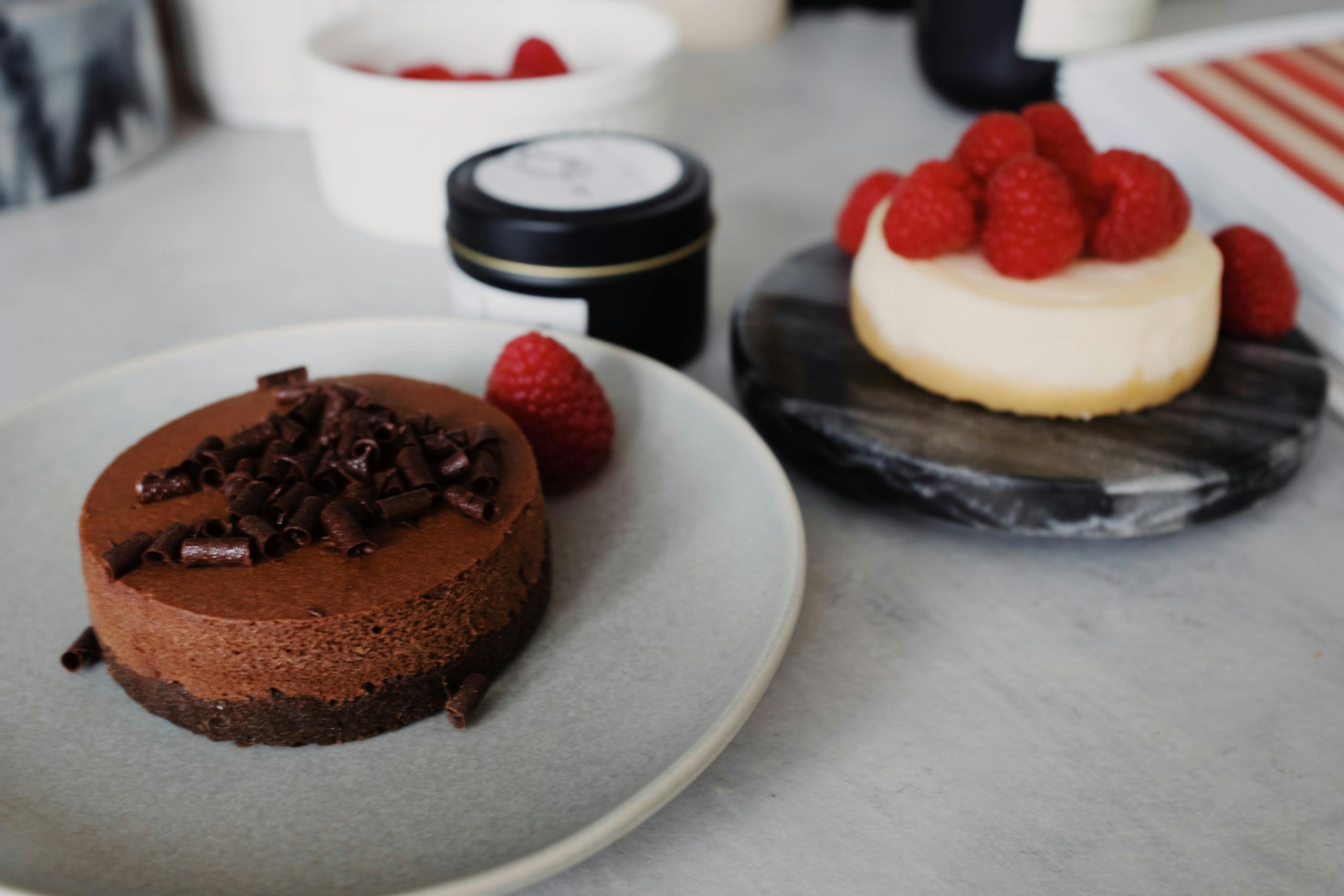
The small treat economy is undefeated. A candle after a bad day. A snack after errands. A drink after work. A little online order because the week was stressful. A sale item because it was technically discounted.
None of these purchases feels serious on its own, which is exactly why they are dangerous together.
Americans are not weak for wanting comfort. Life is expensive, stressful, and often exhausting. But small treats become a problem when they turn into emotional autopay.
If every bad mood costs $18, every stressful week costs $70, and every boring night turns into online shopping, the problem is no longer the treat. The problem is that spending has become the coping mechanism.
Why Americans Keep Buying These Things
The harsh truth is that many purchases are not about the item. They are about relief. Coffee gives a tired person a ritual. Delivery gives an overwhelmed person one less chore. Beauty products offer control. Decor offers comfort. New phones and cars offer status. Subscriptions offer entertainment. Small treats offer a quick emotional escape.
That is why these habits are so hard to break. People are not just fighting prices. They are fighting stress, boredom, loneliness, exhaustion, comparison, and the pressure to keep up.
American life has become expensive and overstimulating, so spending often becomes the fastest way to feel better for five minutes.
Conclusion
These purchases are quietly draining money because they feel normal, harmless, and emotionally justified. A coffee does not feel like a budget problem. A delivery order feels like survival. A subscription feels small. A phone upgrade feels necessary. A little treat feels deserved. But together, these habits can turn a decent paycheck into a disappearing act.
The solution is not to live joylessly or shame every purchase. The solution is to stop pretending small spending does not count. Money leaks are still leaks, even when they come with cute packaging, reward points, or a side of fries.
Americans do not need to stop enjoying life. They need to stop letting every tired, stressed, bored, or insecure moment become a transaction.