The Jalapeño Recall Keeps Growing: The Product Types Added So Far
The 2026 jalapeño recall reached well beyond whole fresh peppers. As the recall trail developed, jalapeños connected to the original event were found in or repackaged as a wide range of foods, including salsa, guacamole, pico de gallo, dips, prepared foods, stuffed mushrooms, soup mix, jalapeño avocado dressing, and 5-pound jalapeño products.
That does not mean new recalls are still being announced. The CDC ended its investigation of the associated Salmonella Javiana outbreak on October 2, 2026. Instead, the growing recall record shows how one recalled ingredient moved beyond the produce section and into multiple kinds of finished and prepared foods.
According to the FDA’s outbreak investigation, the outbreak was linked to jalapeño peppers from Sinaloa, Mexico, distributed by Coast Citrus Distributors. Federal officials identified a common grower in Sinaloa that supplied Coast Citrus as the likely source. The FDA said it could not determine the route or source of contamination.
The CDC closed the outbreak investigation with final figures of 488 reported illnesses across 34 states, including 65 hospitalizations and no reported deaths.
The recall spread into many types of food
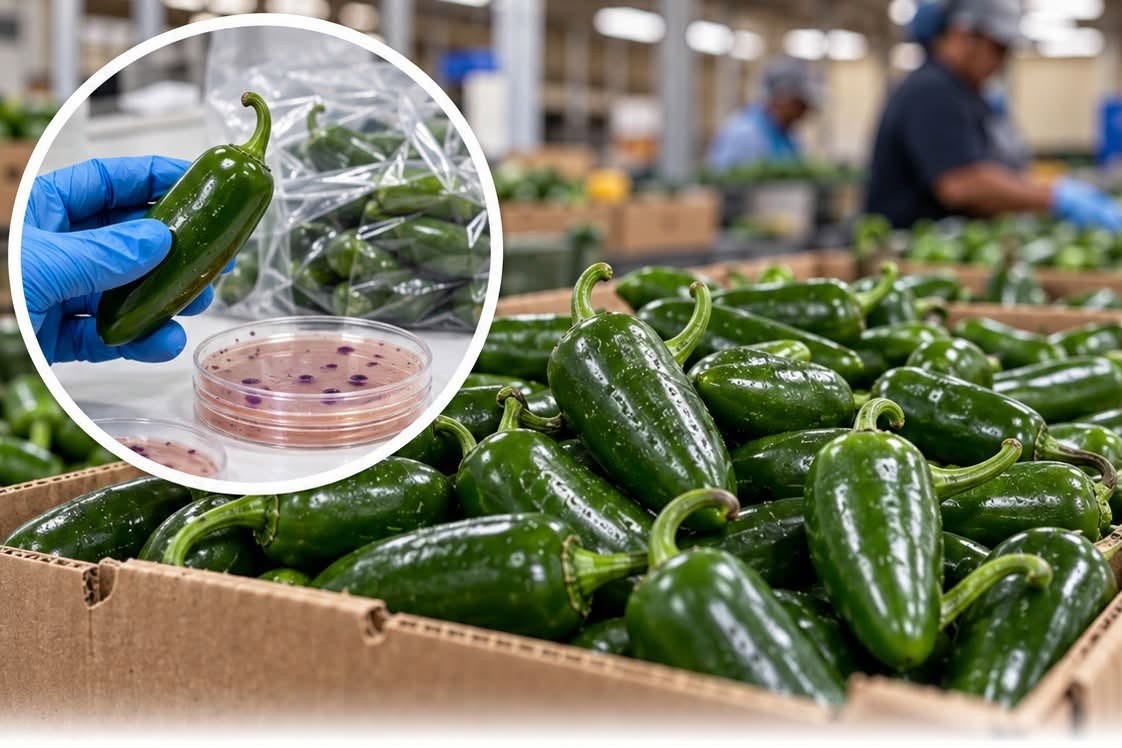
The original issue involved fresh jalapeño peppers, but the FDA’s recall record shows why the story became much broader for grocery shoppers.
Several companies initiated additional recalls involving jalapeños or products made with recalled jalapeños after the Coast Citrus recall. The FDA’s list of food products associated with the recalled peppers documents categories ranging from familiar refrigerated foods to other prepared products.
Among the listed categories were salsa, dips, guacamole, pico de gallo, prepared foods, stuffed mushrooms, soup mix, jalapeño avocado dressing, and repackaged 5-pound jalapeño products.
The variety matters because a shopper looking only for a bag or box of whole jalapeños could easily miss the larger picture. The recall trail involved foods in which jalapeños were used as an ingredient as well as peppers that were repackaged.
The FDA record also makes clear that different companies recalled different types of products. The categories should not be read as though every company sold or recalled every item on the list.
Whole Foods was one of the companies involved
Whole Foods Market recalled select salsa, guacamole, pico de gallo, and prepared-food items containing jalapeños sourced from Coast Citrus.
The FDA’s Whole Foods recall notice details the affected products and the stores where they were sold. Those products are a useful example of how an ingredient-level recall can extend into foods that shoppers may think of as ready-to-eat or prepared grocery items rather than simply fresh produce.
Taylor Fresh Foods also recalled multiple finished products containing recalled jalapeños. The FDA’s recall list includes categories such as dips, salsa, guacamole, and additional products associated with that company.
NatureBest Precut & Produce was connected to another group of recalled foods. The documented NatureBest- and H-E-B-branded categories included pico de gallo, stuffed mushrooms, and soup-mix products.
Other examples show the range becoming broader still. Salata Dressings recalled Jalapeño Avocado Dressing, while Dairyland Produce recalled a repackaged 5-pound jalapeño product.
Taken together, those examples illustrate what “keeps growing” means in the headline: not that the outbreak remains active or that officials are announcing new recalls now, but that the documented recall trail ultimately covered many more product types than whole fresh jalapeños alone.
Related: FDA Flags Olive Oil Recall Over an Unapproved Garlic Ingredient
Why downstream products still matter
The distinction between fresh peppers and foods made with them is especially important for consumers checking what they may have purchased.
The FDA says the recalled fresh peppers are no longer for sale and are past their shelf life. But the agency also cautioned that some products made with the recalled jalapeños could have longer shelf lives.
That is why the broader FDA recall list remains useful even after the fresh peppers themselves have moved out of the marketplace. A recall involving a basic ingredient can create a much longer list once that ingredient has been incorporated into prepared foods, dips, dressings, produce mixes, and other products.
This does not mean every item associated with the recall is still on a store shelf. It means consumers checking food they already purchased may need to look beyond fresh jalapeños and review the specific recall information for products made with them.
Consumers who have recalled products should follow the instructions for the applicable recall, including discarding or returning products as directed.
The CDC investigation is now over, but the FDA’s recall record leaves a clear food-supply lesson: one recalled ingredient can show up in many different forms by the time it reaches the grocery aisle, prepared-food case, or refrigerator.