Trump Iran Deal Poll Reveals a Deeper Crisis: Americans Want Peace, Not Confidence
Americans Want the Iran War to End, But They Don’t Believe It Was Won
The latest Trump-Iran deal poll reveals a political reality that is more complicated than simple approval or rejection. Americans are not cheering the agreement, nor are they demanding escalation. Instead, they are expressing something more revealing: exhaustion without confidence.
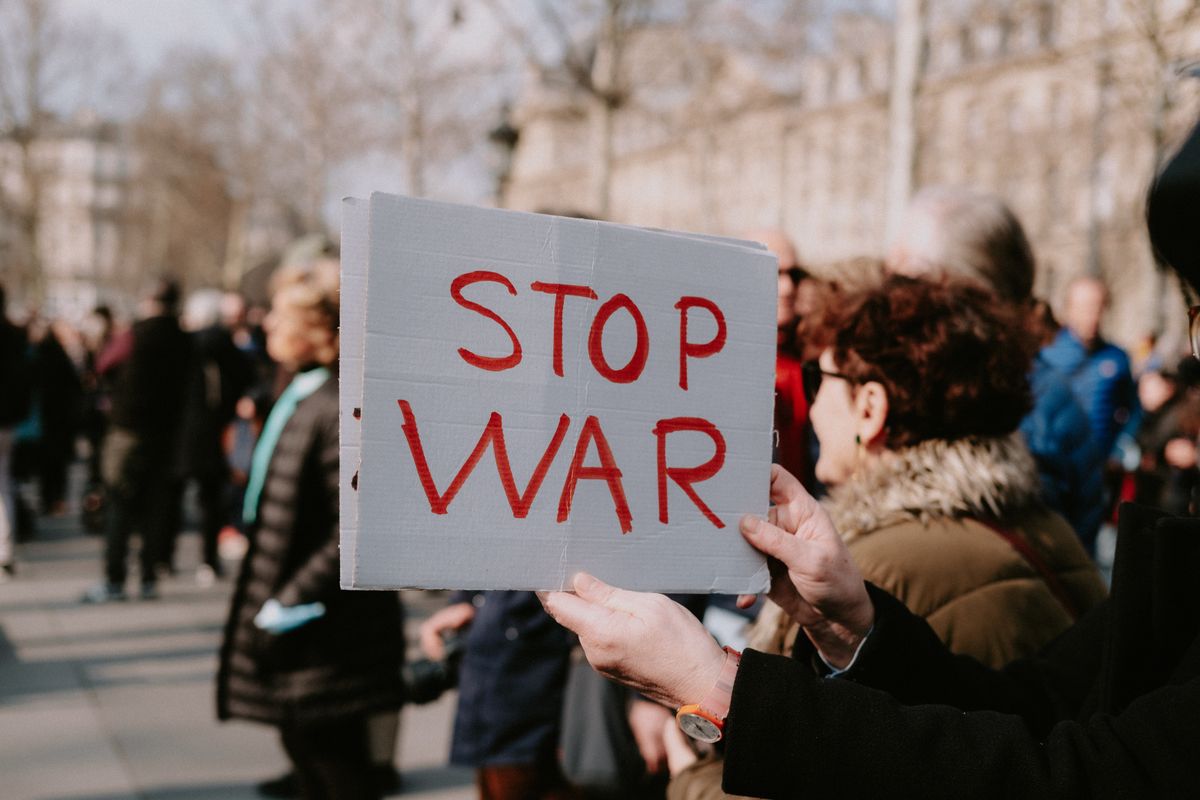
According to CBS News YouGov polling, 78% of Americans want the Iran war to end now, while only 22% want it to continue until Iran makes further concessions. At first glance, this appears to support the administration’s push toward a negotiated exit. But the deeper numbers show a more uncertain picture.
Only 22% of respondents say the agreement is better for the United States than for Iran. A larger share believes it favors Tehran or is simply balanced. That gap between wanting the war to end and believing the outcome is a win is the central political tension shaping the debate.
We are not looking at a nation celebrating a diplomatic breakthrough. We are looking at a public trying to close a chapter it no longer trusts.
The Real Story Is Not Support for Peace, But Doubt in the Outcome
The strongest takeaway from the Trump-Iran deal poll is not that Americans support peace. It is that they do not believe peace equals success.
A majority of Americans describe the war as strategically unsuccessful, with more saying it created problems than solved them. That framing matters because it shifts the agreement from “victory settlement” to “exit strategy.”
Even among Republicans, skepticism appears. Only about four in ten GOP respondents say the agreement benefits the United States more than Iran. That is significant for a president whose political strength depends heavily on party unity in foreign policy.
This creates a rare situation in American politics:
a deal that is widely accepted as necessary, but not widely trusted as effective.
The Nuclear Question Is Driving the Deepest Skepticism
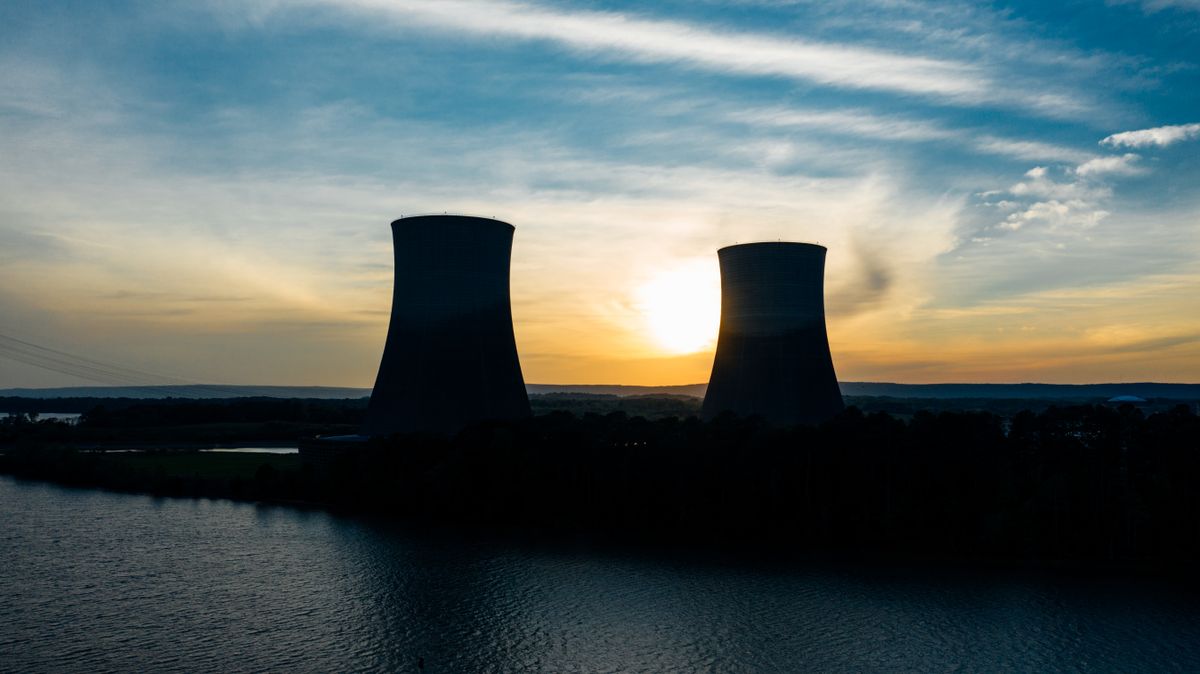
At the center of public doubt is one issue: Iran’s nuclear program.
Trump has repeatedly framed the conflict as a mission to permanently stop Iran from developing nuclear weapons. Yet polling shows most Americans do not believe the agreement achieves that goal.
CBS polling indicates that roughly 69% of Americans believe the deal will not permanently halt Iran’s nuclear ambitions. Even within Trump’s own party, a significant portion shares that concern.
This skepticism is reinforced by earlier Fox News polling showing similar doubts about whether any agreement would fully stop Iran’s nuclear capabilities.
The implication is clear:
Americans are not judging the deal on diplomacy alone. They are judging it on whether it actually eliminates the threat it was designed to solve.
The Trust Gap Between Washington and Tehran Is Now Part of the Story
Another underreported factor shaping public opinion is credibility.
U.S. officials describe the agreement as a framework that includes inspections, sanctions relief, and steps toward de-escalation. Iranian officials, however, have publicly rejected or reframed parts of that interpretation.
This divergence creates what can be called a trust gap agreement;a deal that exists on paper, but is interpreted differently by both sides.
In practical terms, that matters more than rhetoric. If Americans believe both sides are not aligned on what was actually agreed, confidence in the deal drops even if diplomacy continues.
This is where foreign policy becomes perception politics:
The agreement is judged not only by what it does but also by whether anyone believes it will hold.
The Strait of Hormuz Turned the Conflict Into an Economic Pressure Test
One of the most consequential developments in the Iran conflict has been the Strait of Hormuz’s strategic role.
Roughly one-fifth of global oil consumption flows through the Strait, making it one of the world’s most critical energy chokepoints. Any disruption immediately affects global markets, shipping insurance costs, and fuel prices.
That reality changed how Americans experienced the conflict.
Instead of a distant geopolitical issue, the war became tied to everyday economic anxiety:
- gasoline prices
- inflation expectations
- supply chain costs
- global trade stability
This explains why public opinion is driven more by urgency than by enthusiasm. Many Americans are not evaluating strategy in the abstract,they are reacting to signals of economic pressure.

Republicans Are Split in a Way That Matters Politically
One of the most politically significant findings in the Trump-Iran deal poll is not Democratic opposition,it is Republican uncertainty.
Foreign policy is typically an area of strong partisan alignment. However, this agreement shows internal division within Trump’s own coalition.
Some Republican voters see the deal as a necessary exit from a costly war. Others view it as a concession that fails to guarantee Iran’s nuclear containment.
That split weakens one of Trump’s usual advantages: unified messaging from his political base.
It also creates a communication problem for the White House. A deal that is neither fully celebrated nor fully rejected within the party is harder to defend publicly, especially heading into an election cycle where foreign policy credibility can become a defining issue.
The Agreement Is Being Judged as a “Way Out,” Not a Strategic Breakthrough
Perhaps the most important perception shaping the poll is this: many Americans believe the administration is ending the conflict because it wants to stop, not because it has achieved its objectives.
That framing shifts the political meaning of the deal.
If voters believe the U.S. is exiting because the mission is complete, the agreement becomes a success.
If voters believe the U.S. is exiting because the costs have become too high, the agreement becomes a retreat.
Current polling suggests the second interpretation is more common.
That perception does not necessarily mean the agreement is unpopular. It means it is not viewed as decisive.

The Economic Risk Has Not Disappeared With the Signing of a Deal
Even as diplomacy progresses, economic uncertainty remains part of the political backdrop.
Energy markets remain sensitive to instability in the Middle East. Oil prices respond not only to supply disruptions but also to expectations about future conflict.
If the agreement stabilizes the Strait of Hormuz and reduces shipping risk, it could ease inflation pressures. But if tensions resume or implementation stalls, markets could quickly reverse course.
This makes the agreement unusually fragile in political terms. Its success is tied not just to diplomacy, but to market psychology.
The 60-Day Window Has Become a Political Countdown.
The structure of the agreement adds another layer of tension: time.
With a 60-day implementation window, the deal is effectively on probation. Each week becomes a test of whether both sides follow through on their commitments.
That creates a rolling political narrative:
- Inspections must begin.
- Sanctions must be managed.
- Maritime security must hold.
- Nuclear compliance must be verified.
In practical terms, this means the agreement is not a single event. It is a sequence of stress tests.
And in politics, sequences are harder to control than announcements.
The Bigger Issue: Americans Are Evaluating Strategic Competence, Not Just Policy
The Trump-Iran deal poll ultimately reflects something deeper than foreign policy opinion.
It reflects how Americans evaluate presidential judgment.
The key question is not only:
“Do you support the deal?”
It is:
“Do you believe the war was handled in a way that achieved its stated goals?”
On that question, the public is far less confident.
The result is a politically unusual situation:
a widely desired outcome, ending the war, paired with persistent doubt about whether the strategy behind it worked.
Conclusion: A War That Ends Without a Clear Winner
The Iran agreement is entering American political consciousness not as a victory, but as a resolution to an exhausting conflict whose outcome remains unclear.
Americans want the war to end.
They want economic stability.
They want nuclear risk reduced.
But the Trump Iran deal poll shows something more important: they are not convinced those goals have been fully achieved.
That gap between ending a war and proving success is where the political story now lives.