Matcha Has a Toasty New Rival, and It Might Win Over People Who Never Liked Green Tea
The next time you see a brown latte beside a bright green matcha on a café menu, don’t assume it’s coffee. It could be hojicha, a Japanese roasted green tea with a nutty aroma and mellow flavor that’s been finding a larger audience in lattes and desserts. Matcha is hardly disappearing, but hojicha offers something different for anyone who likes the idea of a tea latte more than matcha’s grassy taste.
The appeal is easy to understand after the first sip: roasting gives hojicha notes of toasted nuts and caramel, rather than the vivid vegetal flavor associated with matcha. You can brew it as a clear tea or make it into a creamy drink using powdered hojicha. And while cafés are giving it a fashionable new presentation, the tea itself is not new.
What makes hojicha different?
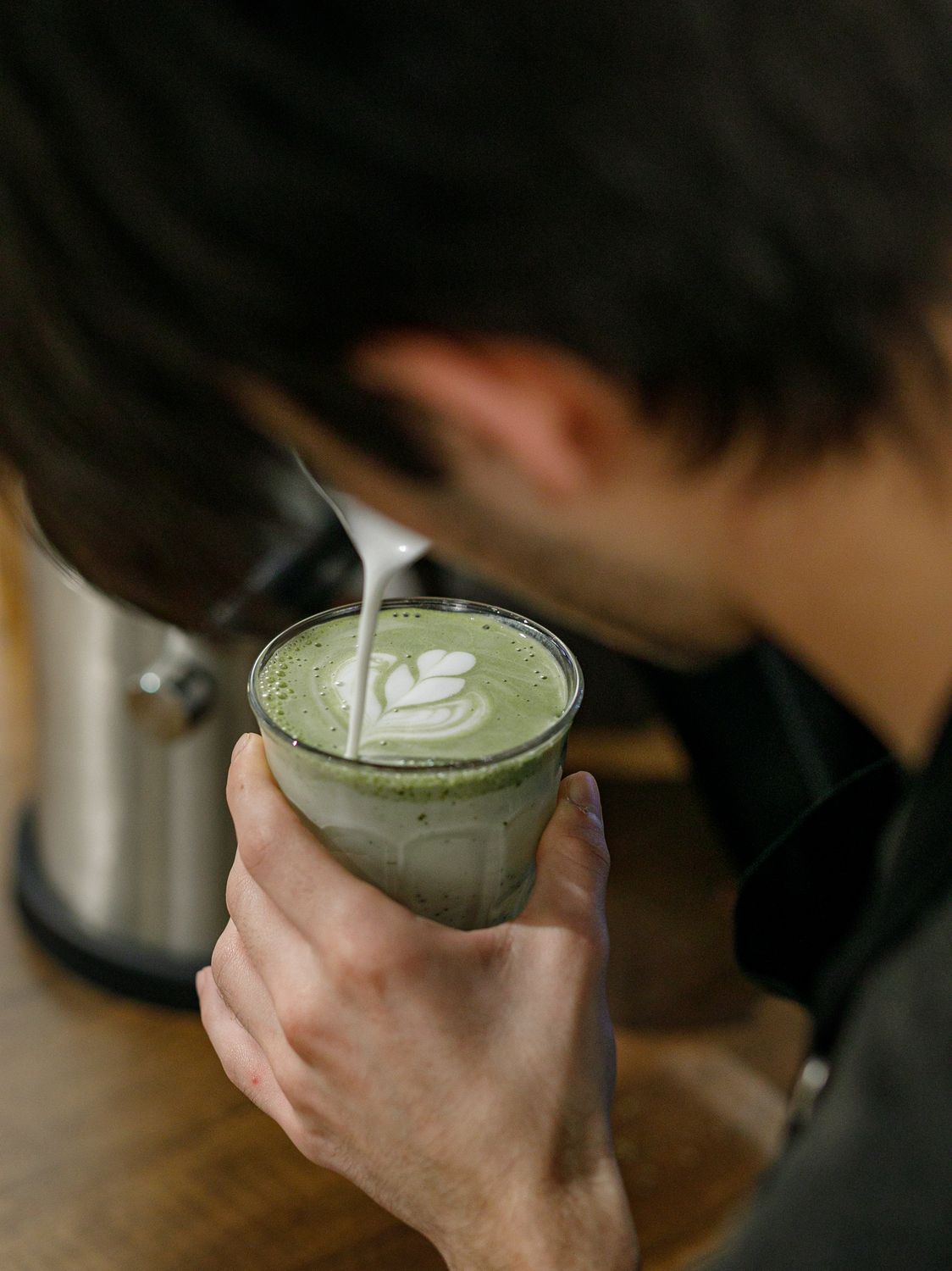
Hojicha and matcha both belong to the green-tea family, but they get their distinctive flavors in different ways. Hojicha is roasted, a process that turns it brown and gives it its warm, toasty character. Matcha, by contrast, is known for its striking green color and more pronounced vegetal taste. If matcha tastes too grassy, hojicha may be an easier introduction to Japanese green tea.
The latte trend can obscure how simply hojicha is traditionally served. Shuko Oda, chef at London’s Koya restaurant,told the BBC, “Traditionally, we don’t put milk or any sugar or sweeteners in with hojicha.” She described it as a clear brown tea suited to any time of day. Koya has long served it as tea, Oda said, though the restaurant also added hojicha ice cream to its menu this year.
That range helps explain why the drink is catching on beyond the teapot. Its roasted flavor works in an iced latte, but it also makes sense in ice cream, baked goods and chocolate. FoodNavigator reports that food and beverage businesses are exploring hojicha across those categories, not just as another way to make a milk-based drink. Still, for a first taste, a plain hot cup may reveal more about the tea than a latte loaded with syrup.
Hojicha also tends to have less caffeine than matcha, which can be a draw for people who want tea later in the day. Lower does not mean caffeine-free, however, and the amount in a cup depends on the tea and how it is prepared. That distinction matters if you are choosing a drink because you are sensitive to caffeine: ask what goes into a café’s latte rather than assuming every hojicha order is equally mild.
Related: 10 Restaurant-Worthy Dishes Chefs Are Bringing Home, and Yes, You Can Actually Make Them
Why is it appearing on more menus?
Demand is growing, though the clearest figures so far describe particular businesses rather than every café. The BBC reported that sales of iced hojicha lattes at Jenki’s six London locations were 55% higher from January through April 2026 than during the same period a year earlier. At How Matcha, director Rashique Siddique said the chain was selling one or two hojicha lattes for every five matcha lattes. Those numbers show momentum without suggesting hojicha has overtaken matcha.
Siddique put the change plainly: “Hojicha feels like where matcha was two or three years ago,” he told the BBC, adding that it was moving from niche to mainstream quickly. Its flavor may be doing as much work as its novelty. A roasted tea latte offers something cozy and familiar to customers who find matcha too bitter, while giving regular matcha drinkers a new order to try.
Café operators are leaning into that difference instead of trying to make hojicha look or taste exactly like matcha. Farmer J added a hojicha-and-maple iced latte to its spring menu, and the company’s chief marketing officer, Ali Recanati, said the tea’s roasted, almost caramel-like flavor works particularly well with milk. Jenki founder Claudia Boyer likewise described hojicha as a more comforting experience than matcha and said customers had responded to additions such as vanilla or maple.
It is worth keeping the trend in perspective. These examples come largely from UK café reporting; they don’t prove that hojicha is taking over menus everywhere. They do, however, show how businesses are introducing it: not as a green matcha copy, but as a distinct roasted-tea option. That is good news for anyone who wants to explore beyond matcha without giving up the ritual of ordering a tea latte.
Is hojicha replacing matcha?
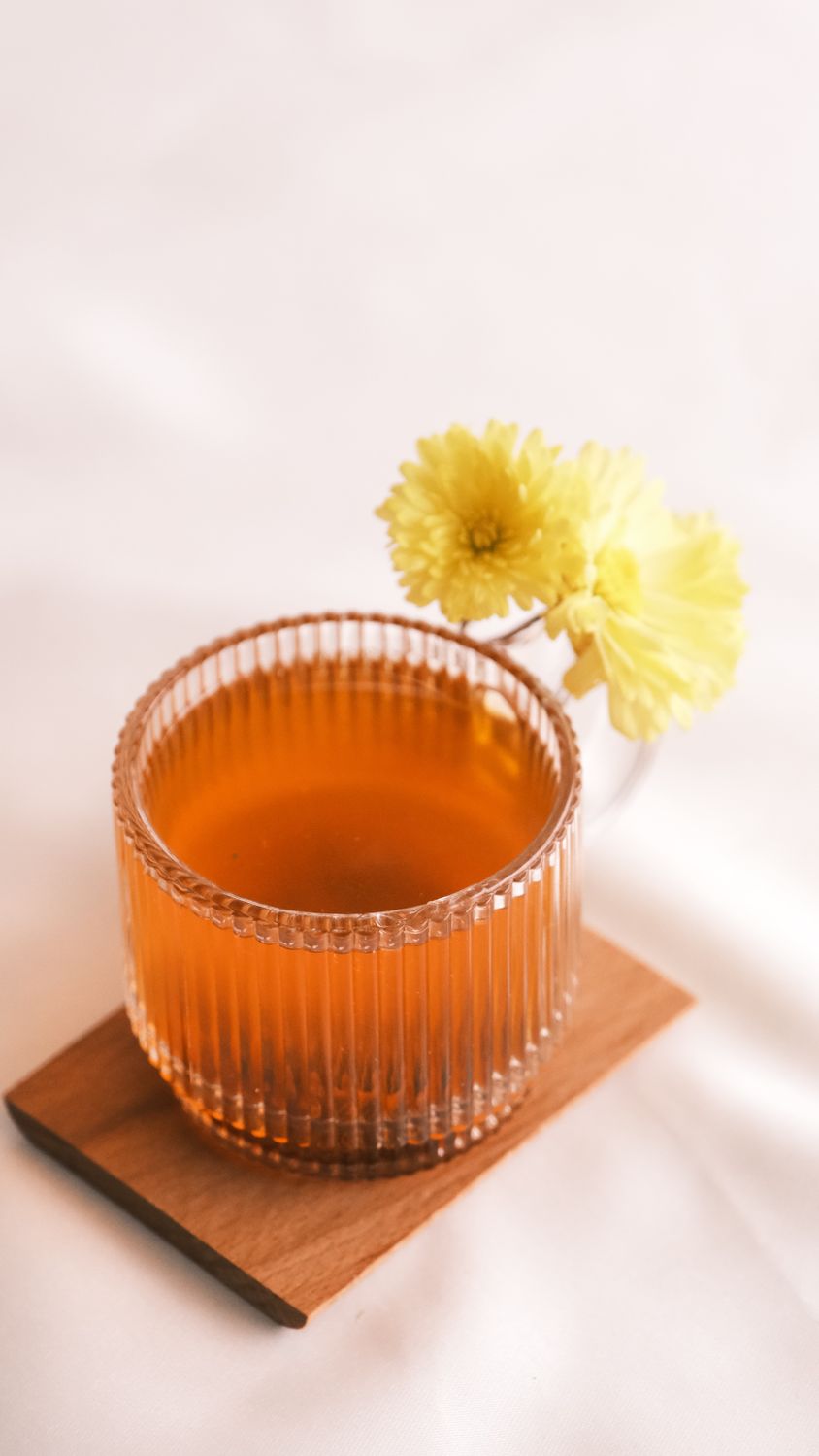
Not, based on the evidence so far. The BBC reported that powdered matcha sales at UK supermarkets and convenience stores had more than quadrupled over the preceding year, citing NielsenIQ data. Mike Turner, founder of specialty tea shop Bird & Blend, told the outlet that matcha sales were holding up well, even if some of the novelty might fade. Hojicha’s rise looks less like a handover and more like a bigger café menu.
The two teas also answer different cravings. Order matcha when you want its bold, vegetal flavor and unmistakable green color; try hojicha when you want toasted, nutty notes. If you are curious about the tea rather than the café’s flavor combinations, start with it brewed plain or ask for a lightly sweetened latte. You can always add sweetness next time, but you cannot taste much hojicha beneath a heavy pour of syrup.
So, is hojicha coming for your matcha fix? Maybe, but it does not need to knock matcha off the menu to earn a place in your rotation. Its quieter color hides a flavor of its own, and that is the fun of discovering it. The next tea you love might not be bright green at all.