7 Restaurant Chains Americans Really Love And the Numbers Back It Up
Walk into any group of Americans and ask them to name their favorite restaurant chain, and you may accidentally start a small civil war.
Someone will defend Chick-fil-A’s waffle fries with their life. Somebody else will insist nothing beats an In-N-Out Double-Double. Then the Olive Garden fan will quietly remind everyone that unlimited breadsticks exist.
So, which restaurant chains do Americans actually love most?
There isn’t one perfect national “favorite restaurant” scoreboard. Customer satisfaction, loyalty, popularity, guest traffic, and sales each measure something slightly different. But when several of those signals point in the same direction, a pretty convincing group of favorites emerges.
Chick-fil-A
Few restaurant brands combine customer satisfaction and serious sales power quite like Chick-fil-A.
In the American Customer Satisfaction Index’s 2025 restaurant study, Chick-fil-A scored 83 out of 100 and led the quick-service category for the 11th consecutive year. It maintained that 83 score in 2026.
Customers clearly keep showing up, too. U.S. system sales reached an estimated $23.9 billion in 2025, while a traditional standalone restaurant averaged just under an eye-popping $9.2 million in annual sales.
The attraction isn’t complicated: chicken sandwiches, nuggets, waffle fries, memorable sauces, and a reputation for friendly service.
And remember, Chick-fil-A does those huge numbers while closing every Sunday.
Texas Roadhouse
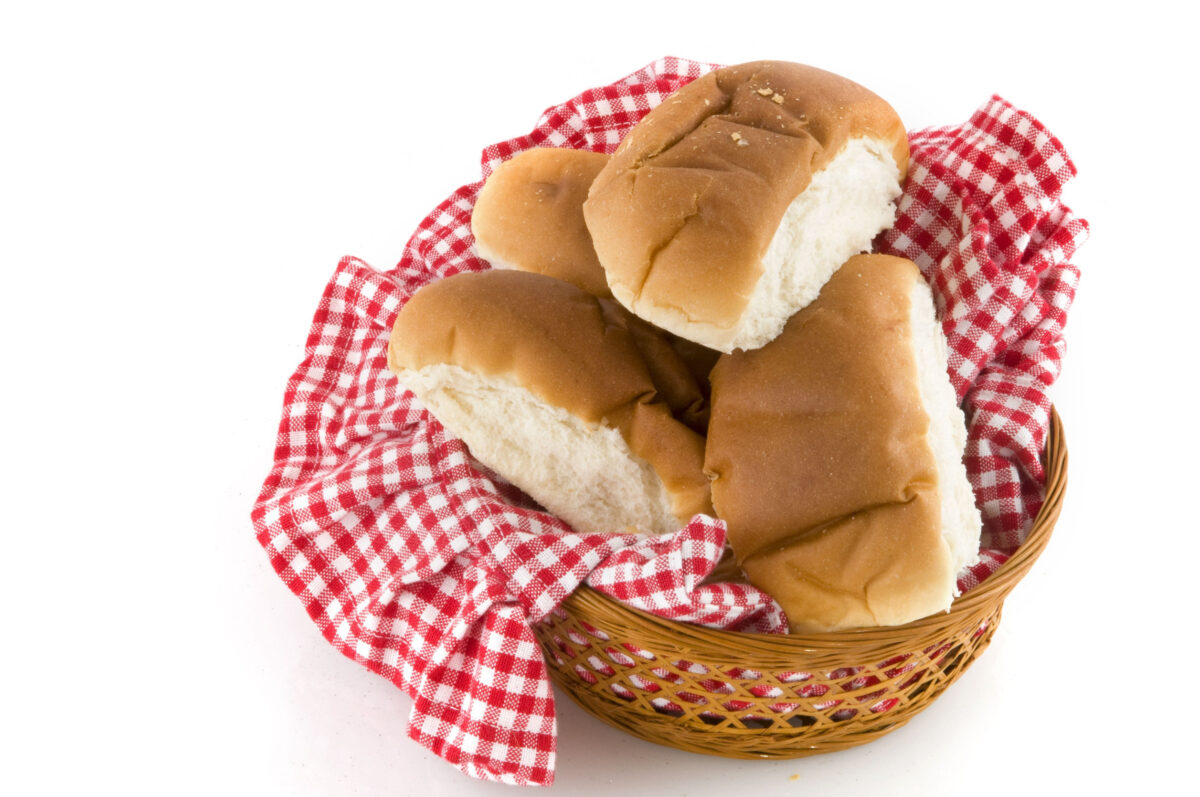
If you’ve ever demolished a basket of Texas Roadhouse rolls with cinnamon butter before your steak even arrived, you already understand part of the appeal.
Texas Roadhouse scored 84 in ACSI’s 2025 study, making it the highest-rated full-service chain that year. It also placed third in Market Force’s 2025 casual-dining Customer Loyalty Index.
Even more interesting is what’s happening at the door. In 2025, comparable-store sales increased 4.9%, including 2.8% traffic growth. That matters because the growth wasn’t simply coming from higher menu prices. More people were actually visiting.
Steaks, ribs, giant portions, lively dining rooms, and those dangerously snackable rolls make Texas Roadhouse feel more like an occasion than an ordinary chain-restaurant dinner.
Culver’s
Culver’s proves you don’t need McDonald’s-sized scale to build a devoted following.
The Wisconsin-born chain scored 78 in ACSI’s 2025 study, the highest score among burger chains. In the Midwest, it tied Chick-fil-A at 82.
Its menu helps explain the enthusiasm. Culver’s built its identity around ButterBurgers, Wisconsin cheese curds and Fresh Frozen Custard rather than trying to look like every other burger drive-thru.
Growth has followed. U.S. sales reached about $3.823 billion in 2024, up 15.5% year over year, and the chain entered 2025 with 997 restaurants.
In other words, more Americans are discovering that cheese curds are a perfectly reasonable side dish.
In-N-Out Burger
In-N-Out is the classic example of a restaurant whose reputation is much larger than its footprint.
Market Force named In-N-Out the overall leader in its 2025 Quick-Service Restaurant Customer Loyalty Index, which considers factors including satisfaction, likelihood to return, and willingness to recommend.
What inspires that loyalty? Simplicity helps. The menu is famously concise, the burgers use fresh beef, fries are hand-cut, and customers can dive into “Not So Secret Menu” customizations such as Animal Style and Protein Style.
The important caveat is geography. Technomic counted 415 U.S. restaurants in 2024, far fewer than truly national burger giants.
So In-N-Out may not be available everywhere, but where it operates, affection runs deep.
Olive Garden
Olive Garden might not be the trendiest restaurant on social media, but never underestimate the gravitational pull of pasta and breadsticks.
YouGov’s 2026 U.S. casual-dining rankings placed Olive Garden first overall. It also ranked first among millennials, Gen X, and baby boomers. Gen Z was the exception, placing Chili’s first and Olive Garden second.
Its ACSI score backs up that broad appeal. Olive Garden scored 81 in 2026, just behind Texas Roadhouse and LongHorn Steakhouse at 82.
The formula is wonderfully uncomplicated: familiar Italian-American dishes, family-friendly portions, soup, salad, and those endlessly discussed breadsticks.
Chili’s Grill & Bar
Chili’s may have the most interesting comeback story on this list.
In fiscal Q3 2025, Chili’s reported a massive 31% year-over-year increase in same-store sales, driven primarily by a 21% jump in traffic.
That surge coincided with aggressive value marketing around its 3 For Me meal and Big Smasher Burger, giving diners a full-service alternative at a time when even fast-food bills were making people wince.
Chili’s also has a generational advantage. YouGov’s 2026 research ranked it the No. 1 casual-dining choice among Gen Z.
Apparently Southwestern Eggrolls still have plenty of cultural mileage left.
Panda Express
Finally, something that isn’t a burger, steak, or basket of bread.
Panda Express made one of the greatest satisfaction jumps in ACSI’s 2025 study, rising four points to a score of 80. That tied Starbucks for second among the highlighted quick-service brands, behind Chick-fil-A.
Its appeal comes from familiarity and flexibility. Customers can combine entrées and sides, choose between indulgent and lighter options, and, obviously, order the chain’s signature Original Orange Chicken.
Panda Express occupies a distinctive place in American quick service: fast, highly recognizable Chinese American comfort food that works equally well in a food court, drive-thru, or takeout box.
So, What Does “Most Loved” Really Mean?
The key lesson is that popularity isn’t the same as size.
McDonald’s, for example, led YouGov’s 2026 quick-service consideration data, yet scored only 70 in ACSI’s 2025 study, the lowest among the reported quick-service brands.
That’s why the chains above stand out. Some win through satisfaction. Others inspire exceptional loyalty. Some are gaining traffic while competitors struggle. Others have products so recognizable that customers practically advertise them for free.
And sometimes, apparently, love really can be measured in cinnamon butter, waffle fries, and unlimited breadsticks.
Other Posts You May Like
- Fast-Food Chains Are Bringing the Human Touch Back, and Customers Are Noticing
- 6 Iconic Fast Food Chains You’ve Probably Never Heard Of
If you like what you just read, then subscribe to our newsletter and follow us on social media.