Foods That Can Be Surprisingly Dangerous If You Eat Them the Wrong Way
Most foods don’t come with an instruction manual.
You buy them, cook them, eat them, and move on with your day.
But a surprisingly small group of foods play by different rules. Prepare them incorrectly, eat the wrong part, store them badly, or consume them with certain medical conditions, and dinner can turn into a medical emergency.
That doesn’t mean these foods are inherently “deadly.” In most cases, the real danger comes down to preparation, contamination, dose, or individual vulnerability.
Here are some foods worth knowing about.
Fugu: The Fish That Requires Serious Skill
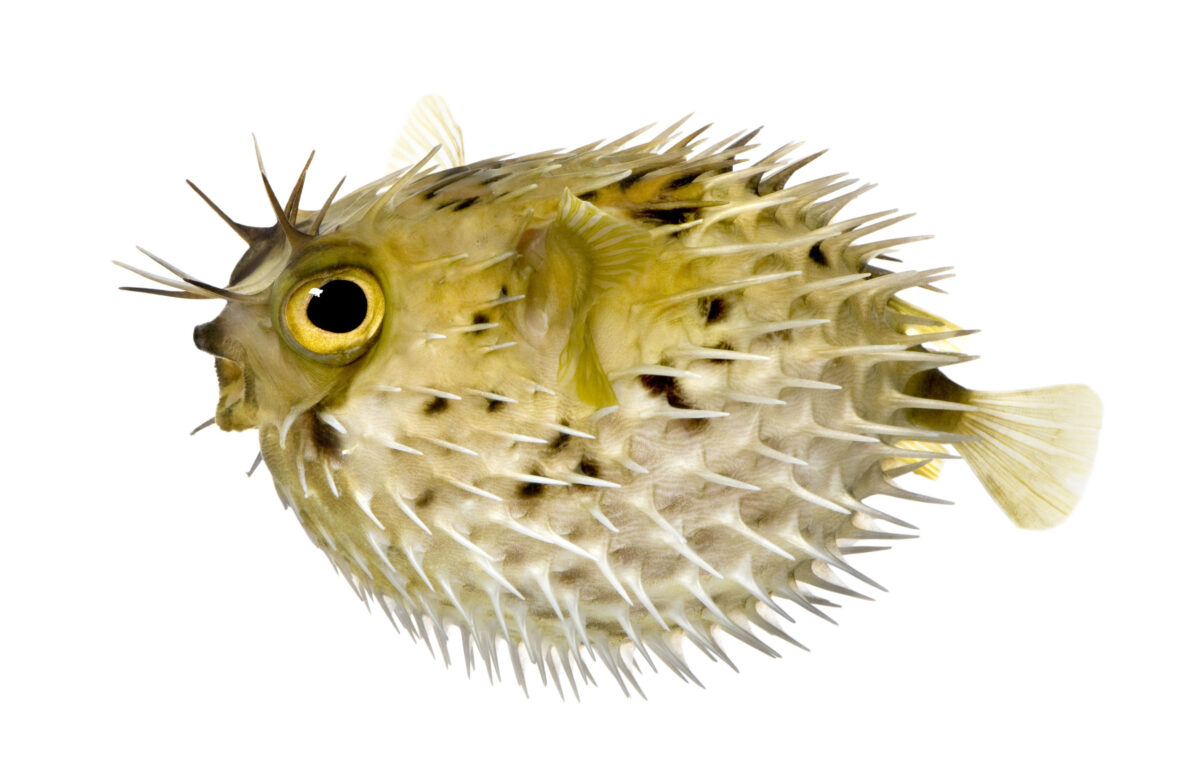
Fugu, or pufferfish, is famous for a reason.
Certain organs can contain tetrodotoxin, a powerful neurotoxin that interferes with nerve signaling. Poisoning can begin with numbness around the mouth and progress to weakness, paralysis, and respiratory failure.
The especially unsettling part? Cooking doesn’t reliably destroy the toxin.
That’s why professionally prepared fugu differs greatly from someone casually cleaning a pufferfish in their kitchen. The key safety measure is expert species identification and precise removal of toxic organs, not simply cooking it longer.
Related: 6 Most Dangerous Creatures Beneath the Waves
Cassava: A Staple That Needs Proper Processing
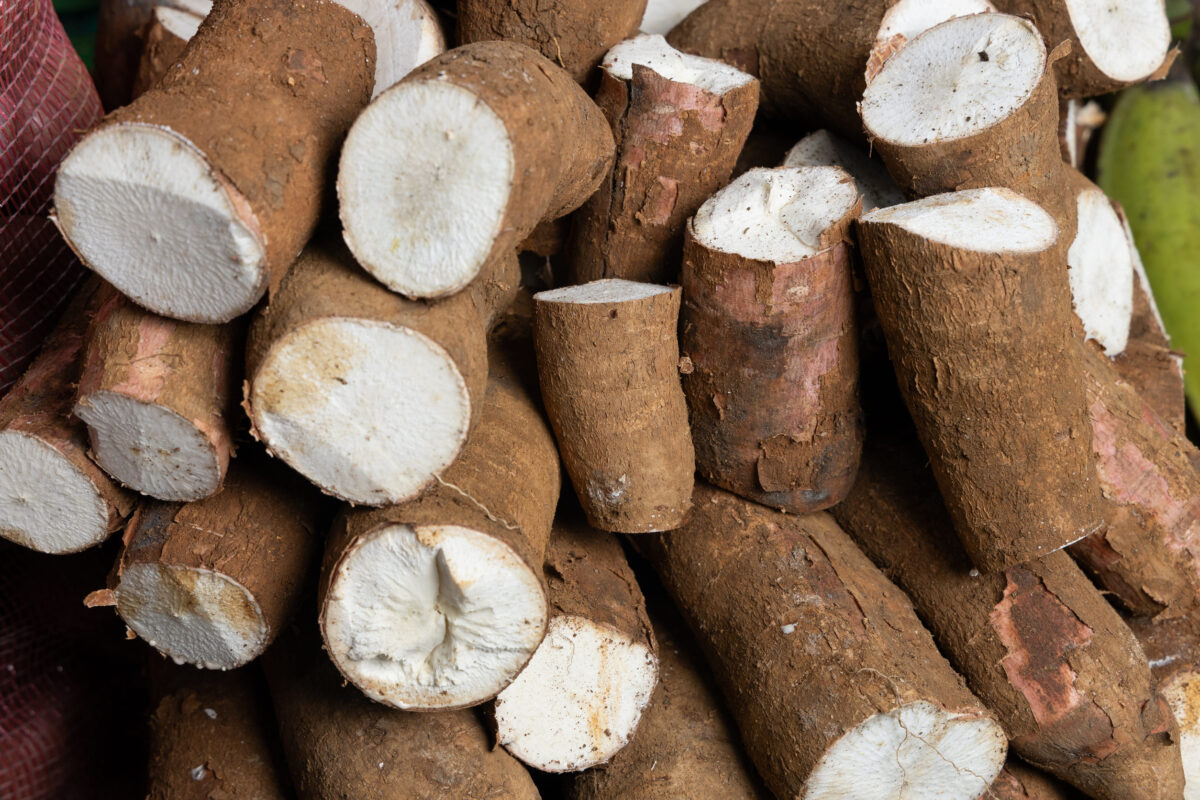
Cassava feeds millions of people across Africa, Latin America, the Caribbean, and Asia. It’s affordable, versatile, and highly useful in regions where other crops struggle.
But raw or poorly processed cassava can release cyanide from naturally occurring cyanogenic compounds.
Traditional preparation methods aren’t unnecessary culinary fussiness. Peeling, soaking, grating, fermenting, drying, and cooking can dramatically reduce cyanide levels.
And simply boiling high-cyanide cassava isn’t always enough.
A 2017 outbreak in Uganda linked improperly processed cassava flour to 98 suspected poisoning cases and two deaths.
Wild Mushrooms: When “Looks Edible” Isn’t Good Enough
Foraging can be wonderful until an edible mushroom has a poisonous look-alike.
Death caps and some “destroying angel” mushrooms contain amatoxins, which can severely damage the liver.
One of the dangerous features of amatoxin poisoning is the delay. Someone may eat the mushroom, feel fine for hours, then develop vomiting and diarrhea. They may even seem to improve before liver or kidney failure begins.
Cooking doesn’t reliably destroy these toxins either.
So when it comes to wild mushrooms, “I’m pretty sure” isn’t a particularly comforting way to identify them.
Raw Oysters: Fresh Doesn’t Mean Pathogen-Free
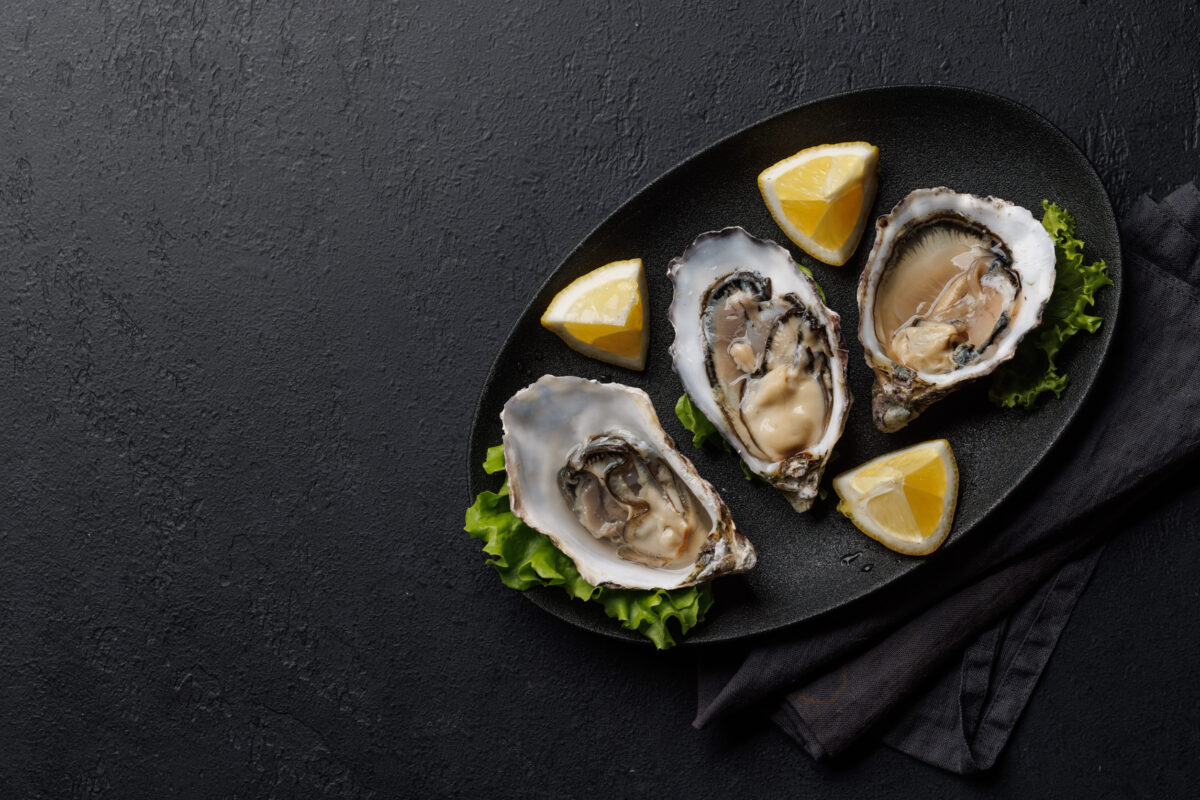
A raw oyster can look pristine and still contain dangerous bacteria.
One of the biggest concerns is Vibrio vulnificus, which can cause bloodstream infections, septic shock, tissue damage, and even death.
The risk is especially high for people with liver disease, kidney disease, diabetes, cancer, immune suppression, and several other chronic conditions.
And no, lemon juice, hot sauce, alcohol, or a heroic amount of cocktail sauce won’t reliably make contaminated oysters safe.
Thorough cooking is what substantially reduces the bacterial risk.
Home-Canned Foods: The Invisible Botulism Problem
Grandma’s homemade vegetables may be delicious, but home preservation needs proper technique.
Improperly canned low-acid foods can create ideal conditions for Clostridium botulinum to produce botulinum toxin.
Botulism can cause blurred vision, difficulty swallowing, muscle weakness, descending paralysis, respiratory failure, and death.
The tricky part is that contaminated food may not smell, taste, or look spoiled.
So this is one situation where the “just taste a little and see” method is a terrible idea. Tested preservation recipes and correct pressure-canning procedures matter.
Raw Sprouts: The Healthy Food With a Bacteria Problem
Sprouts look like the poster child for clean eating.
Unfortunately, the same warm, humid environment that helps seeds sprout also gives bacteria an excellent place to multiply.
Salmonella, harmful E. coli, and Listeria can all be concerns. Washing sprouts doesn’t necessarily solve the problem because contamination may already have multiplied throughout the batch.
Pregnant people, young children, older adults, and people with weakened immune systems need to be particularly cautious. Cooking sprouts until steaming hot lowers the risk.
Raw Kidney Beans: Your Slow Cooker May Betray You
Here’s one that surprises people.
Raw or undercooked red kidney beans contain high levels of a lectin called phytohaemagglutinin.
As few as four or five raw beans may cause severe nausea, vomiting, stomach pain, and diarrhea.
The good news is that properly cooked kidney beans are perfectly normal food.
The important step is adequate boiling. Starting dried kidney beans directly in a low-temperature slow cooker can be a problem because insufficient heat may fail to destroy enough of the lectin.
Raw Apricot Kernels: “Natural” Does Not Mean Harmless
Raw apricot kernels sometimes show up in alternative-health circles under claims involving “vitamin B17.”
There’s a problem. So-called vitamin B17 isn’t actually a vitamin.
Apricot kernels contain amygdalin, which can release cyanide when digested.
European food-safety authorities have warned that eating more than three small raw kernels in one serving can exceed safe cyanide exposure levels for adults.
This is one of those cases where “it comes from a fruit” should not be confused with “therefore I can eat handfuls of it.”
Star Fruit: Fine for Most People, Dangerous for Some
Star fruit is a great example of how food safety can depend on who is eating it.
For most healthy people, it’s an ordinary tropical fruit.
But for people with significant kidney disease, especially those on dialysis, it can become dangerous because the kidneys may be unable to clear certain compounds properly.
Reported effects include persistent hiccups, confusion, seizures, coma, and, in severe cases, death.
For people with kidney disease, the relevant safety advice isn’t a special cooking method. It’s avoidance.
Leftover Rice: It’s the Storage, Not the Reheating
Finally, let’s rescue reheated rice from an unfair reputation.
Reheating rice isn’t inherently dangerous.
The real issue is cooked rice left warm or at room temperature for too long.
Bacillus cereus spores can survive cooking. If rice sits in favorable conditions, bacteria can multiply and produce toxins. One of those toxins is heat-stable, meaning reheating the rice later may not undo the problem.
The practical rule is simple. Cool leftovers promptly, refrigerate them properly, and don’t leave cooked rice sitting around for hours.
The Bottom Line
The lesson here isn’t “be afraid of food.”
It’s almost the opposite.
Food traditions around the world have developed soaking, fermenting, boiling, preservation, refrigeration, professional preparation, and other techniques precisely because humans learned how to manage natural hazards.
So enjoy cassava. Eat kidney beans. Order oysters if they’re appropriate for you. Reheat yesterday’s rice.
Just remember that with a few foods, how you prepare, store, source, and eat them matters every bit as much as what’s on the plate.
Other Posts You May Like
If you like what you just read, then subscribe to our newsletter and follow us on social media.