Home Prices Are Dropping in 1 in 3 U.S. Housing Markets — Florida, Texas, and Hawaii Take the Hardest Hit in 2026
The U.S. housing market is sending a clear signal in 2026: the boom is over in several hot regions, and the correction is accelerating fast. National home price growth has slowed to just 0.9% year-over-year, while more than 30% of major metros are now seeing outright price declines across key indexes.
What makes this shift more dramatic is speed. In just 24–36 months, some pandemic-era “hot spots” have flipped from double-digit gains to -5%–8% price corrections, reshaping wealth expectations for millions of homeowners.
Florida’s Housing Slowdown Hits 5 of the Top 10 Declining Markets
Florida is now the epicenter of America’s housing cooldown, with 5 of the top 10 worst-performing metros showing consistent annual price declines of -5.2% to -6.8%.
Cape Coral, North Port, Naples, Punta Gorda, and Sebastian are all experiencing measurable equity erosion, with Punta Gorda alone seeing nearly an 8% loss in value, wiping out tens of thousands in median home equity per property.
What changed in under 48 months is demand pressure: migration slowed, inventory surged past pandemic lows by 20%–40% in several counties, and insurance premiums jumped sharply in coastal regions, reshaping affordability calculations almost overnight.
Texas Markets Are Cooling After a Pandemic Boom of Up to 40% Price Surges.
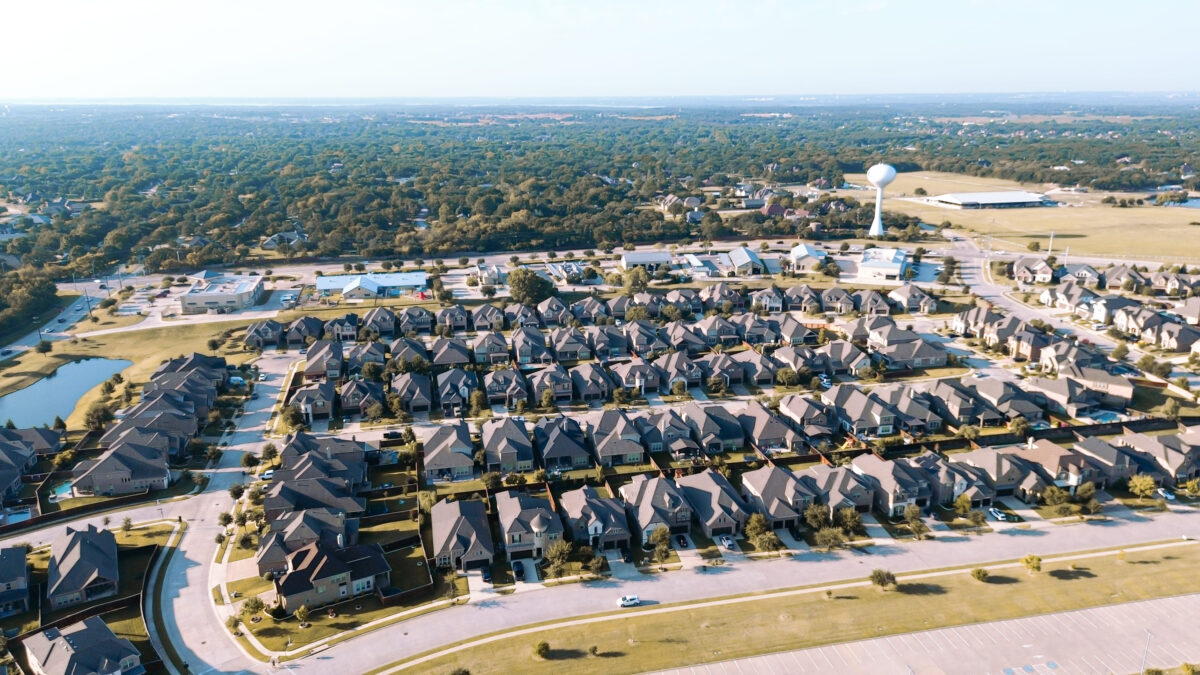
Recent data from Zillow shows that the Wichita Falls housing market has cooled, with average home values dropping by 0.5 percent over the past year to $174,763, and homes typically going to pending in about 39 days. Today, those same markets are recalibrating under rates above 6.5%–7%, cutting affordability by nearly half for many buyers.
According to Redfin, in March 2026, home prices in Texas fell by 1.8 percent from the previous year, while the number of homes sold rose by 3.5 percent year over year.h seeing price drops of around -7% to -8% despite median listing prices still above $1 million.
According to Zillow, the average home value in Kahului is now $1,029,403, representing a 4.4 percent decrease over the past year.
Insurance costs have surged dramatically in these regions, with wildfire-risk coverage increases estimated between 25%–60% over the past 2–3 years, forcing buyers to reprice what “affordable luxury” actually means.
Inventory Surge + Migration Slowdown Is Driving the Correction.
Across the hardest-hit metros, inventory levels are up roughly 18%–35% compared to pandemic lows, while inbound migration has slowed in key Sun Belt states by an estimated 10%–20% year-over-year.
This imbalance is creating what economists call a “soft correction cycle,” where prices don’t crash instantly but gradually fall as listings accumulate, and demand cools. According to Florida Realtors, investor purchases of U.S. homes increased by 3.4% year over year in the second quarter, marking the largest growth since the second quarter of 2022.
Homeowners in Declining Markets Are Losing Up to 8% of Their Equity.
In the most affected metros, homeowners are already seeing real financial impacts. According to Redfin, Punta Gorda home prices increased by 11.0% over the past year, with homes selling for a median price of $ 450,000.
For households that bought with minimal down payments of 5%–10%, even a small price drop can erase a large portion of the equity buffer, increasing financial exposure.
Why Buyers Are Suddenly Back in Control in 2026
Buyer leverage is increasing in markets with rising inventory and falling prices, especially where homes now sit on the market an average of 30–60 days longer than during the 2021–2022 boom cycle.
Negotiation power has returned in many metros, with sellers increasingly offering concessions worth 2%–5% of the home price, including closing cost assistance and rate buydowns.
This shift marks a major reversal from the pandemic era, when over 60% of homes in hot markets sold above asking price, compared with today, when price cuts are becoming more common than bidding wars in several cities in Florida and Texas.
The New Reality: Housing Is Splitting Into Winners and Losers

The U.S. housing market is no longer moving in one direction. Instead, it is dividing into two distinct tracks: stable or rising Northern and Midwest markets, and cooling Sun Belt and coastal expansion zones.
In declining metros, prices are falling by -5% to -8% annually, while stable regions are still posting +1% to +4% growth, creating one of the widest regional performance gaps in over a decade.
This divergence means location is now more important than ever, with identical homes in different states experiencing completely opposite financial trajectories in the same 12-month period.
Bottom Line: The Boom Has Ended, But the Repricing Has Just Begun
What we are seeing in 2026 is not a collapse but a rapid rebalancing across 40+ U.S. metros where prices rose too fast between 2020 and 2022.
With mortgage rates hovering above 6%–7%, inventory up by double digits in key states, and equity losses reaching nearly 8% in the hardest-hit cities, the housing market is now resetting expectations at scale.
For buyers, that means more negotiating power than has been seen in over 5 years. For sellers, it means pricing discipline is no longer optional; it is essential.
The American housing map is being redrawn in real time, one metro at a time.