
8 Familiar American Foods That Can Mean Something Totally Different Depending on Where You Are
Traveling across the United States can feel strangely familiar. The language is mostly the same, the menus are readable, and you recognize plenty of the food.
Then you order chili in Cincinnati.
Suddenly, spaghetti appears on your plate.
Regional American food is full of these little culinary plot twists. Familiar names can deliver something dramatically different depending on where you are. Sometimes the meat changes. Sometimes the sauce changes. Sometimes you need an entirely new vocabulary just to order lunch correctly.
Here are eight foods worth knowing before your next U.S. road trip.
Chili: Texas vs. Cincinnati
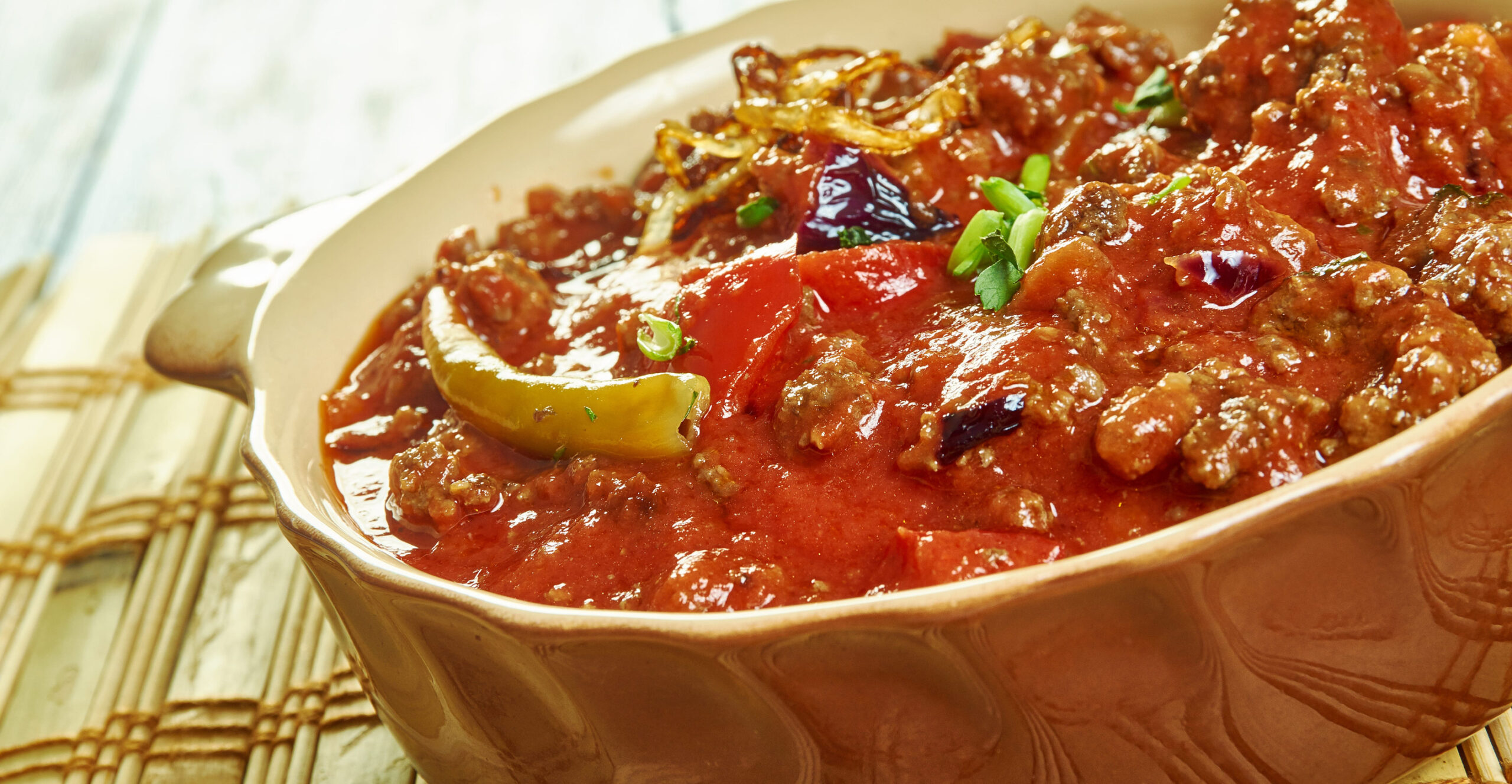
Ask for chili in Texas, and you may get a serious bowl of beef and red chiles, traditionally without beans and sometimes without tomatoes. It is rich, hearty, and very much a spoon-required situation.
Order chili in Cincinnati, however, and prepare for a completely different experience. Cincinnati chili is a finely ground, warmly spiced meat sauce commonly served over spaghetti and buried beneath shredded cheddar. Rather than simply ordering chili, locals use a “way” system. A three-way means spaghetti, chili, and cheese. A four-way adds onions or beans. A five-way adds both.
For the classic Cincinnati experience, order a three-way instead of a generic bowl.
Barbecue: The Word That Explains Almost Nothing
“Let’s get barbecue” sounds straightforward until you realize that barbecue can change dramatically across state lines.
In Central Texas, brisket often gets top billing. Expect smoky beef seasoned relatively simply and possibly sold by weight on butcher paper.
In eastern North Carolina, barbecue traditionally means pork, often whole-hog pork dressed with a thin vinegar-and-pepper sauce.
Kansas City broadens the menu considerably, with ribs, brisket, pulled pork, sausage, and famously delicious burnt ends, often accompanied by a thicker, sweeter tomato-based sauce.
The lesson is simple: never assume the word “barbecue” tells you what meat you are ordering.
Pizza: Same Word, Completely Different Geometry
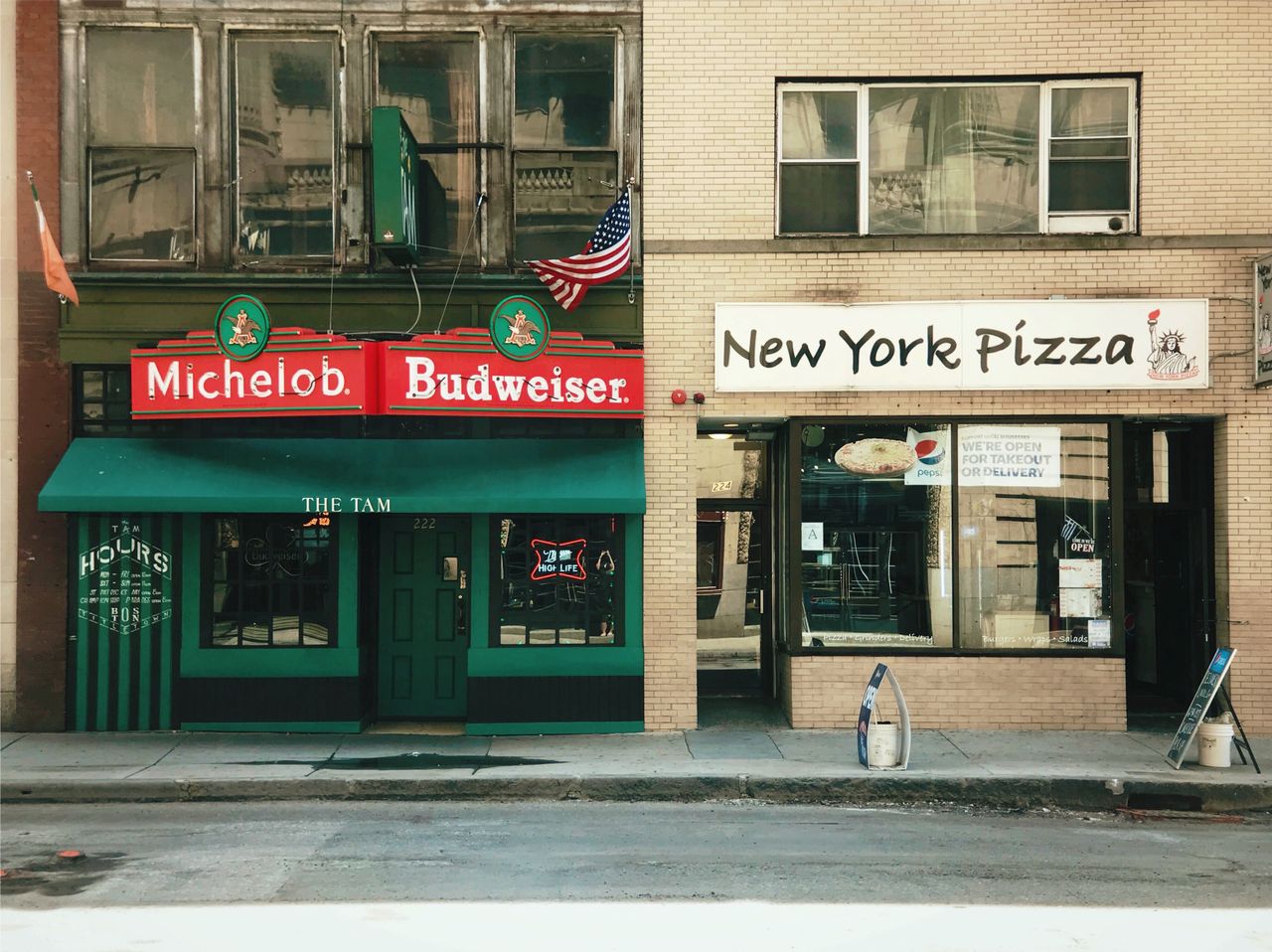
American pizza could practically qualify as a regional geography lesson.
New York pizza is famously thin, wide, and foldable, making it ideal for grabbing a slice and eating it on the move.
Chicago deep dish goes in the opposite direction. The crust climbs the sides of a deep pan, cheese and toppings sit underneath, and tomato sauce goes on top. This is not a two-minute snack. It is a commitment.
Then there is Detroit-style pizza. It is rectangular, airy inside, and gloriously crisp around the edges, where cheese deliberately caramelizes against the pan.
One important Chicago warning: deep dish is not the city’s only pizza tradition. Thin, square-cut tavern-style pizza is also deeply rooted there.
Related: 6 Best Cuisines in the World
Hot Dogs: From Simple Snack to Full Garden
A New York street-cart hot dog can be beautifully uncomplicated. You might get sausage, a bun, mustard, and perhaps sauerkraut or onion sauce.
A Chicago-style dog looks as if someone raided the produce aisle. The classic version piles an all-beef frank with mustard, bright-green relish, onions, tomato, a pickle spear, sport peppers, and celery salt inside a poppy-seed bun.
In West Virginia, a hot dog may come topped with chili sauce, mustard, onions, and coleslaw.
Also, use ketchup carefully in Chicago. The traditional Chicago dog is famously ketchup-free.
Lobster Roll: Hot or Cold?
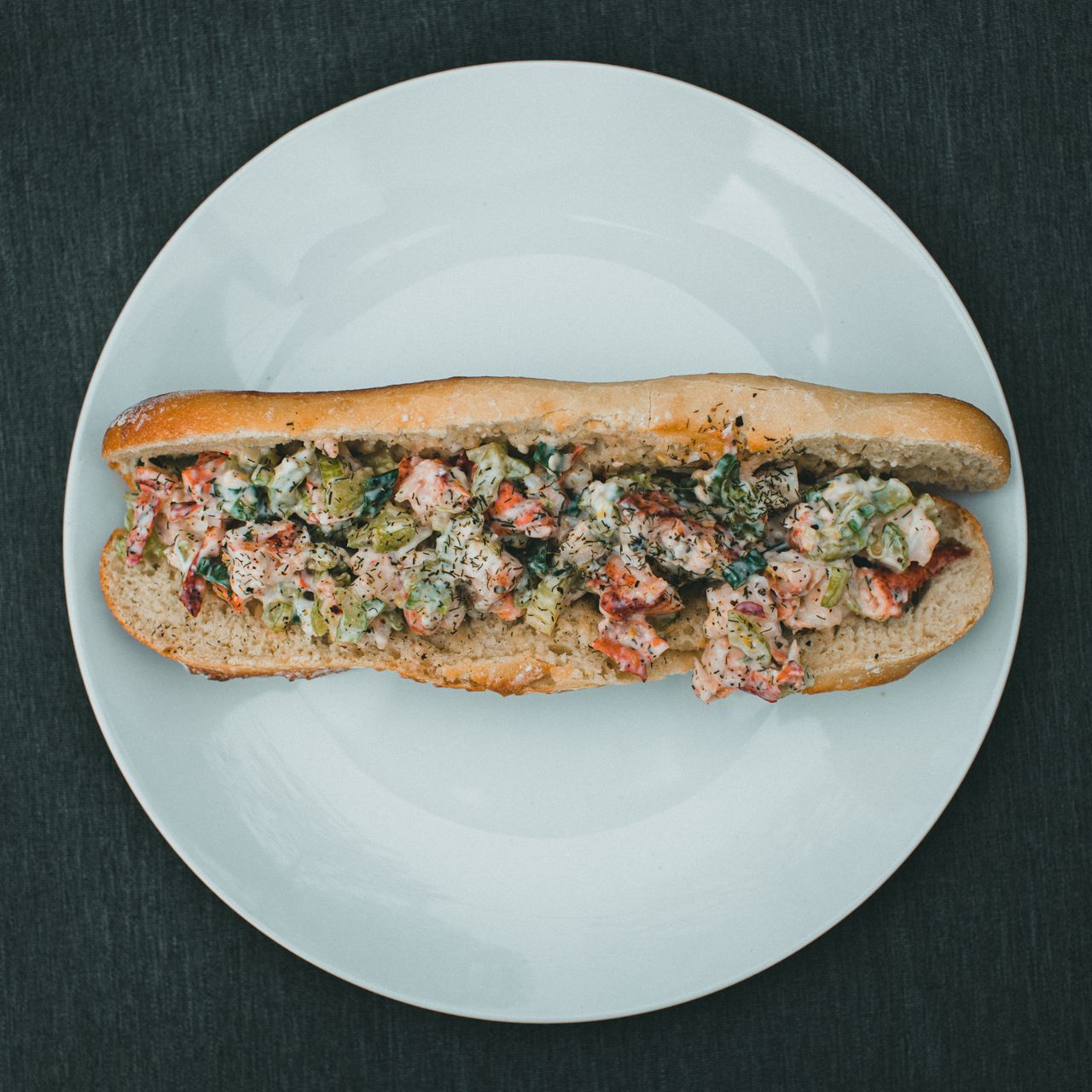
Few regional food differences are as simple, or as important, as this one.
A classic Maine-style lobster roll usually features chilled lobster lightly dressed with mayonnaise and served in a toasted split-top bun.
Connecticut’s classic version goes hot, with warm lobster and melted butter but no mayonnaise.
Both are called lobster rolls. One is cool and creamy. The other is warm and buttery.
Before ordering, ask the most useful seafood question in New England: “Is the lobster warm or cold?”
Related: 10 things people once called ugly that are now seen as attractive
Milkshake: Rhode Island Has a Vocabulary Test for You
Across most of America, “milkshake” means exactly what you expect: milk blended with ice cream.
Rhode Island likes to make things more interesting.
Traditionally, a Rhode Island milkshake can mean milk mixed with flavored syrup without ice cream. Add ice cream, especially to coffee milk, and you have a “cabinet.”
Meanwhile, in Massachusetts, the thick ice-cream drink you may know as a milkshake is often called a “frappe.”
If you want the full ice-cream experience in Rhode Island, ordering a coffee cabinet may be safer than confidently asking for a milkshake.
Italian Beef: Learn the Moisture Settings
Chicago’s Italian beef sandwich comes with something many sandwiches lack: a moisture vocabulary.
Thin slices of seasoned roast beef are piled onto a long roll with beef jus. Then you choose how wet you want it.
“Dry” means no extra juice. “Wet” means extra jus spooned over the sandwich. “Dipped” means the entire sandwich gets submerged.
You also choose “sweet” for roasted bell peppers or “hot” for spicy giardiniera.
Yes, a dipped sandwich may become gloriously soggy. That is not a kitchen mistake. That is the experience.
Po’ Boy, Hoagie, Hero, or Grinder?
America’s long sandwiches remind us that similar shapes don’t necessarily mean similar meals.
In New Orleans, a po’ boy might arrive overflowing with fried shrimp, oysters, or roast beef and gravy on local French bread. Ask for it “dressed,” and you will typically get toppings such as lettuce, tomato, pickles, and mayo.
Philadelphia’s hoagie is more commonly associated with cold Italian meats, cheese, lettuce, tomato, onion, oil, and vinegar.
New York has the hero. Parts of New England have the grinder. They may look related, but treating all of these names as interchangeable can lead to a very different lunch than you expected.
That is really the fun of regional American food. The surprise is rarely that one state has a “better” version. It is that seemingly ordinary menu words carry local history, immigrant traditions, ingredients, and rituals with them.
So when traveling, ask questions. Learn the local terminology. Find out whether the lobster is hot, whether the beef is dipped, and what exactly “barbecue” means before you order it.
Worst-case scenario, you receive something unexpected.
Best-case scenario, that unexpected plate becomes the thing you remember most about the trip.
Other Posts You May Like
- 7 Worst American Foods That Leave International Visitors Horrified
- 7 American Foods Only Locals Know About
If you like what you just read, then subscribe to our newsletter and follow us on social media.


