8 Most Dangerous Countries in the World That Could Endanger Your Life
The world is far more perilous than most travelers or global observers realize. Some nations combine political instability, armed conflict, rampant crime, and humanitarian collapse, creating environments where survival is constantly at risk. Visiting or living in these countries without preparation is not just risky—it can be deadly. In these regions, violence, corruption, and chaos dominate daily life, making even routine activities a threat to safety.
Understanding the most dangerous countries is critical for anyone traveling, working abroad, or conducting international business. These countries are not dangerous in abstract—they present real, tangible risks to life, health, and well-being. Knowledge and awareness are essential to mitigate exposure to the constant hazards that define these regions.
Yemen
Yemen combines armed conflict, political collapse, and widespread famine, creating one of the most lethal environments on Earth. Civilian populations are caught between airstrikes, insurgent activity, and blockades that restrict food, medicine, and basic necessities.
Terrorist organizations exploit the instability, targeting both local populations and aid workers. Disease outbreaks, malnutrition, and inadequate healthcare amplify the risk, leaving little room for safety or recovery. Yemen’s combination of humanitarian disaster and active conflict ensures it remains a high-risk nation for any human presence.
South Sudan
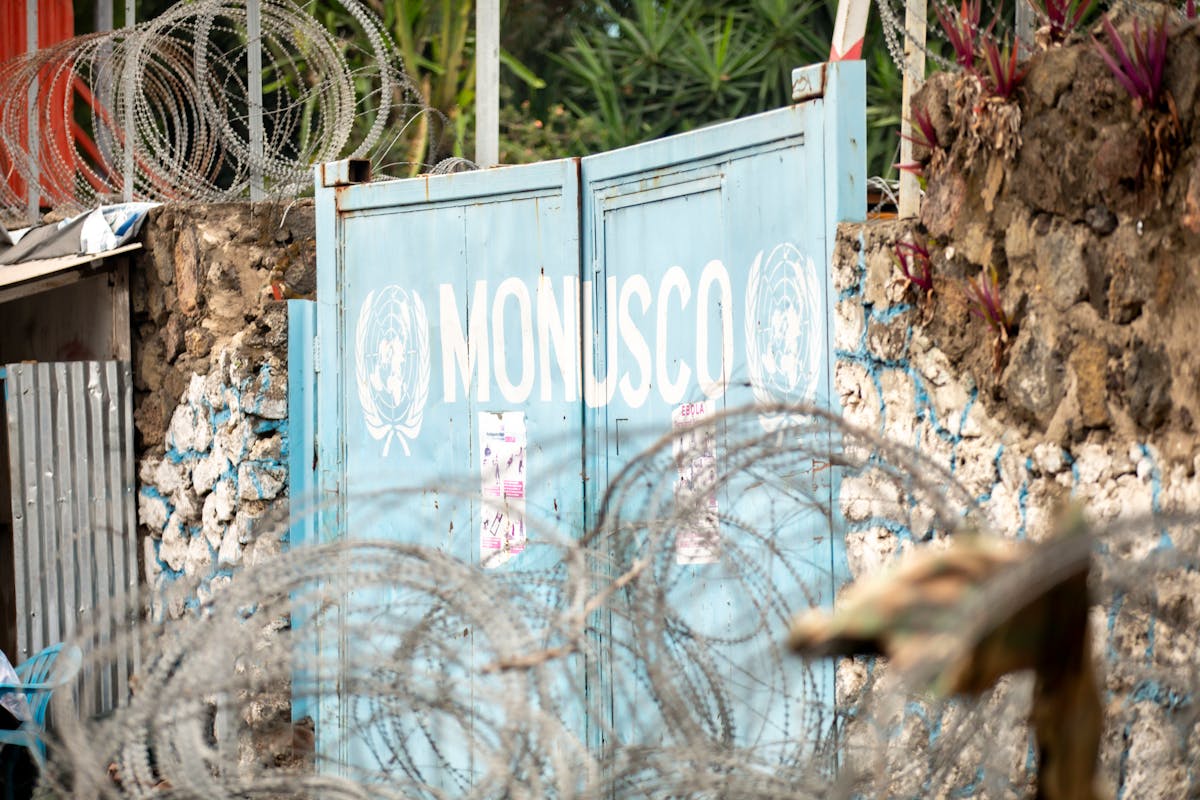
South Sudan’s violent history continues to destabilize daily life. Ethnic conflicts, rebel factions, and political rivalries result in armed clashes, mass displacement, and civilian casualties.
Weak government structures and minimal law enforcement contribute to rampant crime and lawlessness. Scarcity of essential services, such as hospitals and clean water, exacerbates the dangers of daily survival. The security situation makes South Sudan one of the most perilous countries for both residents and foreigners.
Afghanistan
Afghanistan remains one of the deadliest countries due to prolonged conflict, insurgency, and terrorist activity. Militant groups operate with significant influence, conducting attacks, bombings, and armed confrontations across urban and rural areas.
Infrastructure is critically underdeveloped, limiting access to medical care, food, and transportation. Civilian populations are vulnerable to both extremist activity and collateral damage from ongoing conflicts. International organizations and travelers operate under extreme security protocols to navigate this volatile landscape safely.
Somalia

Somalia is notorious for the presence of extremist groups and the threat of piracy along its extensive coastline. Militant attacks, kidnappings, and bombings are common, particularly in urban centers like Mogadishu.
The lack of effective governance allows violent crime and organized crime to flourish. Limited healthcare, famine-prone regions, and widespread poverty compound the risks. Somalia demonstrates how lawlessness combined with terrorism creates extreme danger in everyday life.
Syria
Syria has been devastated by over a decade of civil war, creating a country where danger is omnipresent. Airstrikes, gunfire, and urban combat pose immediate threats to civilians and visitors alike. Multiple armed factions, foreign interventions, and terrorist groups maintain control over large portions of the country, making travel unpredictable and hazardous.
Infrastructure destruction has severely limited access to hospitals, clean water, and basic services. Displacement and humanitarian crises compound the risk, leaving ordinary life a struggle for survival. Syria exemplifies a nation where political chaos translates directly into mortal danger.
Democratic Republic of Congo

The Democratic Republic of Congo combines ethnic conflict, armed insurgency, and endemic disease, producing an environment of extreme risk. Rebel groups control large territories, conducting attacks, abductions, and looting with impunity.
Chronic poverty, weak infrastructure, and health crises such as Ebola outbreaks further amplify the dangers. Civilians face a constant threat from both human conflict and environmental hazards, creating a nation where basic survival is precarious. The DRC’s combination of violence and health crises makes it one of the deadliest countries in the world.
Libya
Libya suffers from ongoing civil conflict, fractured governance, and competing armed militias. Political instability and territorial disputes result in frequent skirmishes, gunfire, and attacks on civilians.
Kidnappings, extortion, and arbitrary violence are widespread, making travel unpredictable. Limited emergency response, destroyed infrastructure, and sporadic access to medical care intensify the hazards. Libya exemplifies a nation where weak state control directly endangers anyone within its borders.
Iraq

Iraq continues to experience threats from insurgency, terrorism, and sectarian violence despite improvements in certain regions. Bombings, armed attacks, and targeted killings occur unpredictably, placing both residents and visitors at risk.
Landmines, unexploded ordnance, and fragmented security systems heighten the danger. Political instability and corruption exacerbate the risks, limiting access to reliable healthcare and emergency support. Iraq’s complex security environment makes safety tenuous even in areas that appear stable.
Conclusion
The most dangerous countries in the world are not dangerous by chance,they are defined by a combination of armed conflict, political instability, crime, and humanitarian crises. Afghanistan, Syria, Yemen, South Sudan, Somalia, Libya, Democratic Republic of Congo, and Iraq represent extreme risk environments where survival is uncertain and daily life is perilous.
Understanding these realities is essential for travel, work, and humanitarian operations, emphasizing the critical need for preparation, vigilance, and informed decision-making in these volatile regions.