Stop Reheating the Same Dinner: 5 Leftover Meals That Feel Worth Making
At some point in every refrigerator’s weekly cycle, dinner begins to look like a negotiation.
A container of chicken sits beside a cup of rice. Roasted vegetables are still good, but no one is excited to see them in the same arrangement for a second night. There may be half a pan of mashed potatoes, a few spoonfuls of sauce, or pasta that no longer feels like a complete meal.
The answer is not always a complicated recipe. It is often a change of format.
Leftovers become more interesting when they move into a new role: chicken becomes the filling for a crisp quesadilla, rice becomes the base of a skillet dinner, and roasted vegetables become part of a frittata rather than another side dish. The goal is not to disguise food. It is to give it a fresh setting, a new texture, and a reason to return to the table.
Before cooking, begin with the practical part. The U.S. Department of Agriculture advises refrigerating perishable leftovers within two hours, using shallow containers to cool food promptly, and eating most cooked leftovers within three to four days. Reheat leftovers to 165°F. USDA’s leftover safety guidance provides the full recommendations.
Here are five genuinely different dinners built from foods that are already cooked.
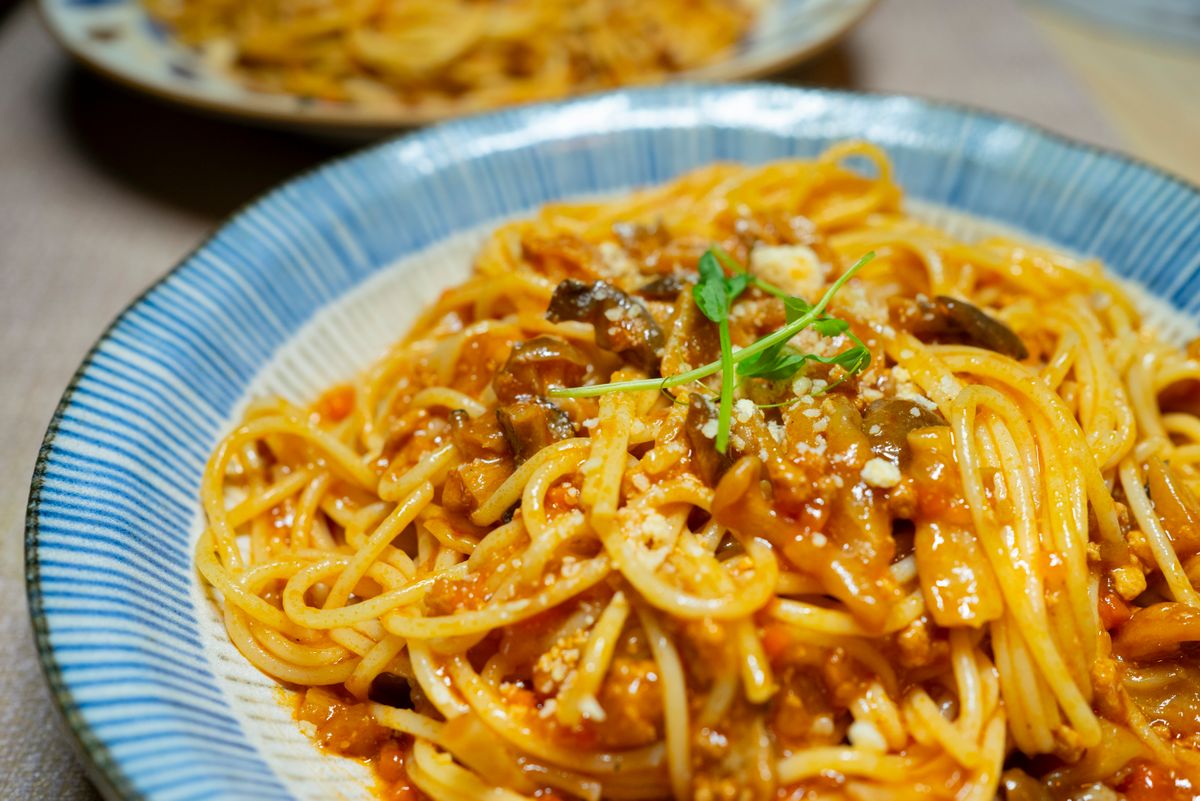
Turn leftover chicken into a skillet quesadilla dinner
Leftover roast chicken, grilled chicken, or turkey has a second life far beyond the sandwich.
Shred it, then combine it with shredded cheese, chopped cooked vegetables, a spoonful of salsa or a little leftover sauce. Fill tortillas and cook them in a lightly oiled skillet until the outside is crisp and the cheese has melted.
The appeal is contrast. The chicken is already tender, so the hot skillet adds what leftovers often lack: crunch. Add a simple salad, sliced avocado, or a bowl of beans, and dinner feels assembled, not recycled.
This is also a flexible formula. Cooked steak, pulled pork, roasted mushrooms, or beans can replace the chicken. What matters is using a modest amount of filling so the tortilla can brown without spilling at every turn.
Give leftover rice a crisp, vegetable-forward skillet treatment
Cold, cooked rice is especially suited to a skillet meal because it separates more easily than freshly steamed rice.
Heat a wide pan, add a little oil, then cook any leftover vegetables until hot. Add rice and let it sit briefly against the pan before stirring. That contact creates lightly crisp edges and prevents the whole dish from tasting like a microwaved side.
Finish with scrambled egg, soy sauce, scallions, garlic, ginger, or a small amount of leftover cooked meat. No rigid formula is needed. A cup of rice, a handful of vegetables, and one or two flavor-builders are enough for a quick dinner.
Health Canada’s meal-planning guidance similarly recommends using cooked rice with vegetables, garlic, ginger, and soy sauce for a fast stir-fry. It suggests folding leftover cooked meat into stir-fries, soups and other meals. Its leftover meal-planning guide offers additional ways to repurpose cooked ingredients.
Related: 8 Highly Protein-Rich Vegetables You Need to Include in Your Diet
Make a roasted-vegetable frittata
Roasted vegetables are often at their best when they stop being a side dish.
Scatter leftover vegetables into an oven-safe skillet or baking dish, then pour beaten eggs over them. Add cheese if you have it, season with salt and pepper, and bake until the eggs are set.
This works well with roasted potatoes, peppers, onions, broccoli, zucchini, mushrooms, and greens. Small pieces are best because they distribute evenly and warm through at the same pace as the eggs.
A frittata gives odds and ends a clearer purpose. Serve it with toast for dinner, cut it into slices for lunch the next day, or cool and pack it for later. USDA researchers suggest adding roasted vegetables to an omelet as a practical way to reuse cooked produce. USDA Agricultural Research Service guidance also recommends turning leftover tomato sauce into pita pizza or baked pasta.
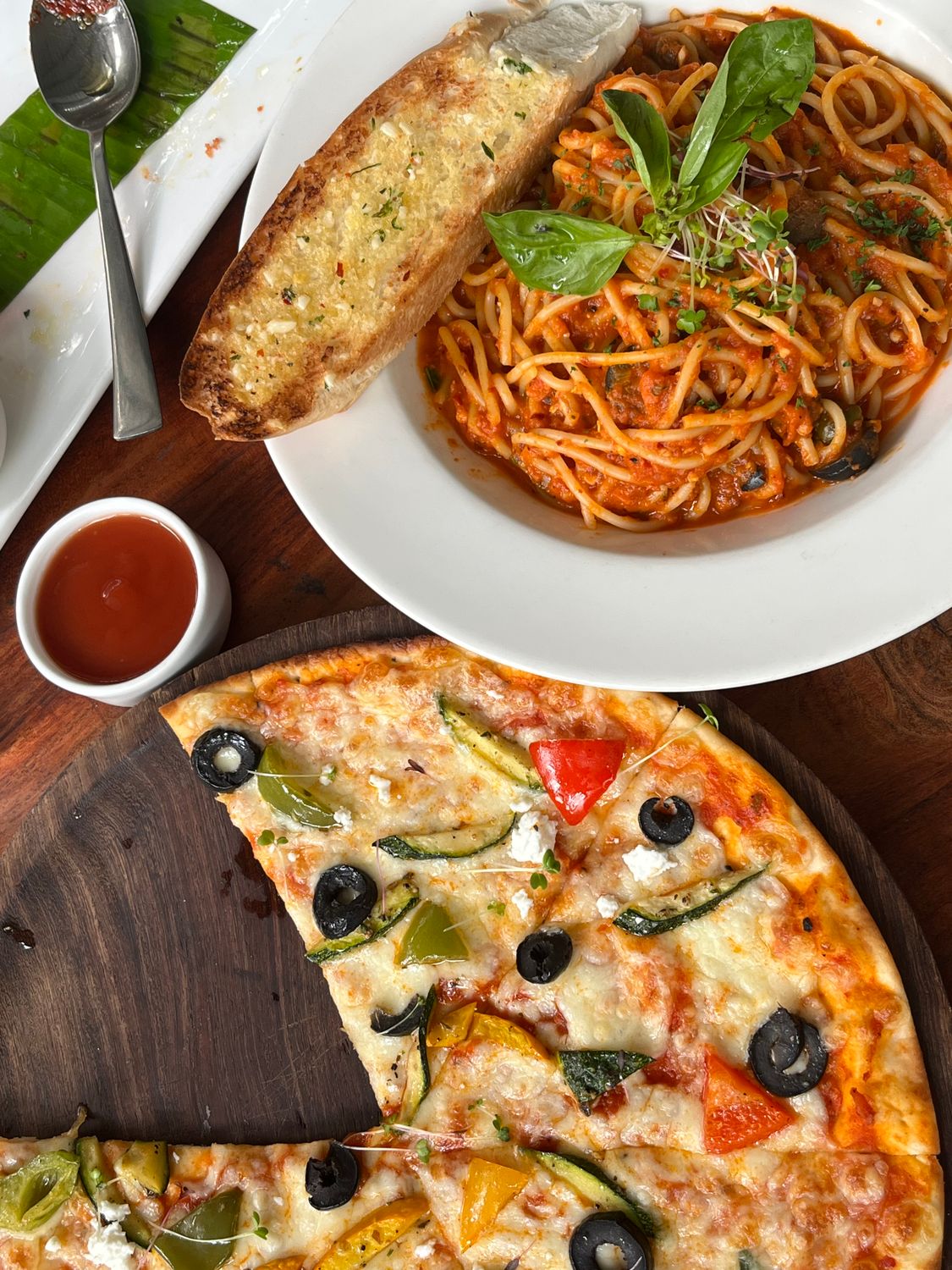
Turn leftover mashed potatoes into a crisp-topped pie
Mashed potatoes can be more than a reheated scoop beside another meal. Use them as a topping for a simple skillet pie. Start with leftover cooked meat, lentils, or beans.
Add cooked vegetables and enough gravy, stock or tomato sauce to keep the filling moist. Spoon the mashed potatoes over the top, rough up the surface with a fork, then bake until the filling bubbles and the potato peaks turn golden.
The familiar shepherd’s-pie structure works with many combinations. Leftover roast beef with peas and gravy is an obvious fit, but shredded chicken with carrots and a light sauce works just as well. Beans and vegetables make a satisfying meatless version.
The important detail is moisture. A filling needs sauce or broth to bring the ingredients together. Without it, the dish is simply separate leftovers wearing a potato lid.
Bake leftover pasta into a crisp-edged casserole
Leftover pasta does not need to return to the microwave in the same sauce it had yesterday.
Toss cooked pasta with extra tomato sauce, a spoonful of cream sauce, vegetables, cooked sausage, or shredded chicken. Add cheese, transfer to a baking dish, and bake until hot and the edges are browned.
This dinner works because baking changes the texture. The pasta softens in the sauce while the exposed edges become crisp. A handful of breadcrumbs on top gives it another layer of contrast, especially when the leftovers are soft from refrigeration.
Do not overcomplicate it. The best baked pasta begins with enough sauce to keep the noodles from drying out and a reasonably sized dish so the center heats evenly.
Make leftovers work on purpose.
The easiest way to avoid a refrigerator full of unrelated containers is to think in components: cooked protein, vegetables, starch, and sauce.
A single ingredient can move in several directions. Chicken can become quesadillas, soup, or baked pasta. Roasted vegetables can go into frittatas, pizza, or grain bowls. Rice can become a skillet dinner. Mashed potatoes can become a topping rather than a side. Keep food-safety basics in view.
The most successful leftover dinner doesn’t pretend yesterday’s meal never happened. It simply gives those ingredients a better next chapter.