9 Restaurant Classics You Can Make at Home With Familiar Grocery-Store Ingredients
There is a particular kind of restaurant letdown: the moment a memorable dish arrives at the table, and you assume it belongs to an occasional night out.
Many restaurant classics look difficult because they arrive with polished service, practiced timing and a little ceremony. At home, though, the building blocks are often familiar: onions, pasta, lemons, chicken, butter, cheese and a hot skillet.
The difference is usually one technique worth slowing down for, whether that means patiently cooking onions, browning a cutlet properly or learning how to bring a pan sauce together.
These nine dishes do not require a specialty-food-store trip. Some ingredients, including steak, shrimp, and Parmesan, can vary in price, but the methods rely on items available at most regular supermarkets and on techniques that improve with practice.

French Onion Soup
French onion soup is built from simple ingredients, but it rewards patience. Onions, butter, broth, bread, and melted cheese do most of the work. Wine can add depth, but it is optional.
The central step is cooking the onions slowly until they are deeply soft and browned. Depending on the quantity of onions and the heat, that can take 45 minutes or longer. Once the onions have developed their color and sweetness, add broth and let the soup simmer before finishing bowls with bread and cheese.
The result depends less on unusual ingredients than on resisting the urge to rush the onions.
Chicken Parmesan
Chicken Parmesan looks substantial on a restaurant menu, but its structure is straightforward: breaded chicken, tomato sauce, and melted cheese.
Start with thin chicken cutlets, then bread and pan-fry them until the coating is crisp and golden. Add marinara, top with mozzarella and Parmesan, and bake only long enough for the cheese to melt and the chicken to finish cooking.
A good-quality jarred marinara is a practical shortcut for a weeknight version. The key is to brown the breaded chicken before adding the sauce, which helps it stay crisp beneath the cheese.
Shrimp Scampi
Shrimp scampi is a relatively quick skillet pasta built around a short ingredient list: shrimp, garlic, butter, lemon, and pasta. Some versions use white wine, while others lean on lemon juice and pasta water for brightness and balance.
The technique is simple but worth watching. Cook the shrimp only until opaque, then remove them if needed while the sauce comes together. Return the shrimp at the end, toss with pasta and serve promptly.
The finished plate has the bright, buttery character often associated with restaurant cooking, but it starts with a few familiar ingredients and one well-managed pan.
Beef Stroganoff
Beef stroganoff turns a simple skillet combination into a comforting dinner with mushrooms, onions, broth, and sour cream.
Brown the beef in batches so it develops color instead of steaming. Cook the mushrooms and onions in the same pan, then use broth to loosen the flavorful browned bits left behind. Stir in the sour cream at the end over gentle heat to keep the sauce smooth.
Serve it over egg noodles, rice, or mashed potatoes. The dish is adaptable, but tender cuts of beef or thinly sliced steak cook faster than tougher cuts.
Related: 8 Meats You Should Never Grill
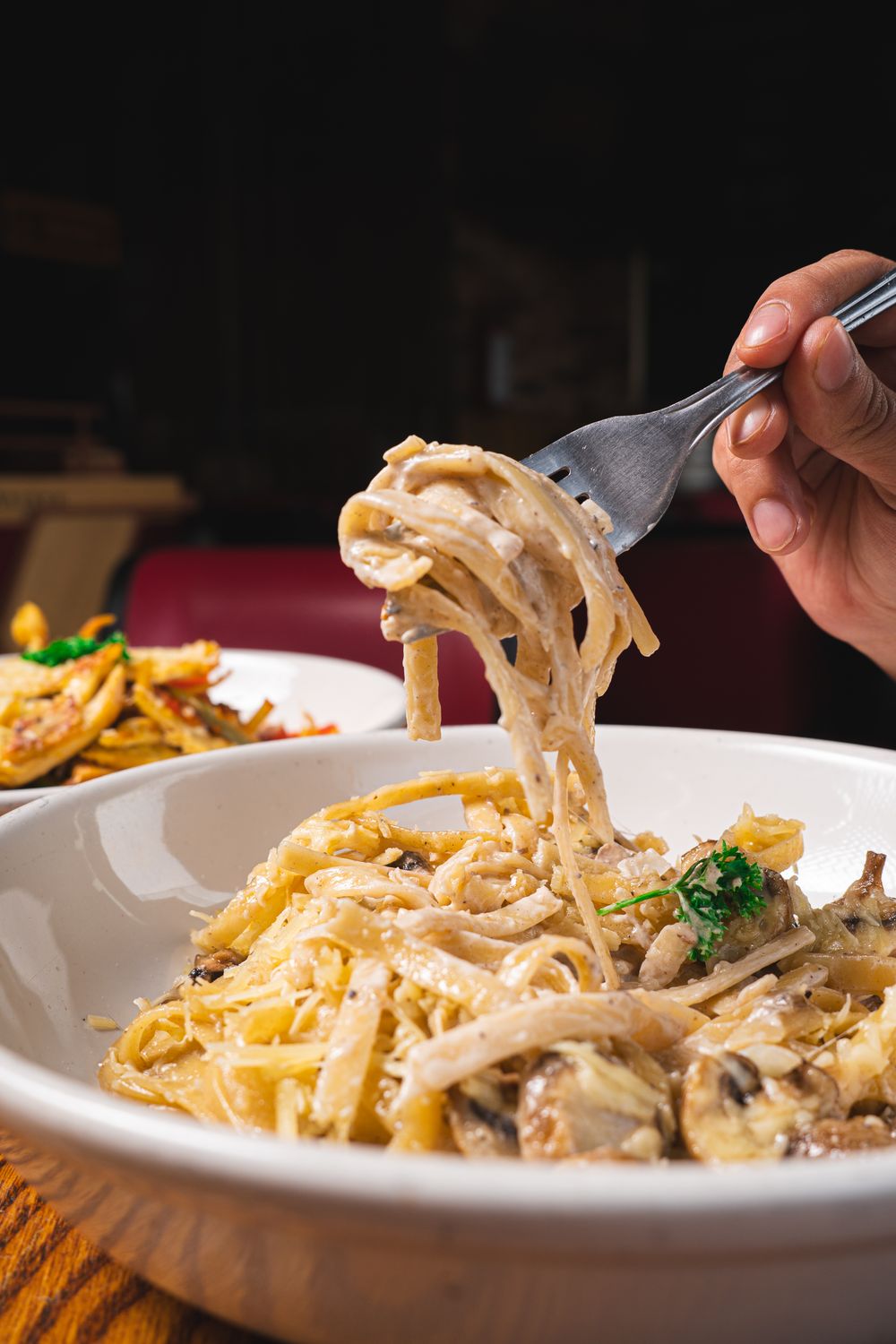
Fettuccine Alfredo
The traditional Roman-style version of fettuccine Alfredo centers on butter, Parmesan, and pasta, with hot pasta water helping form a sauce that clings to the noodles. It differs from the cream-heavy Alfredo commonly served in many American restaurants.
The important part is timing. Toss hot pasta with butter and finely grated Parmesan, then add a little pasta water as needed to help the mixture emulsify. Work off direct high heat so the cheese is less likely to clump.
The ingredient list is short, but it still benefits from attention. Freshly grated Parmesan melts more smoothly than pre-shredded cheese, and add pasta water gradually rather than all at once. A Roman-style fettuccine Alfredo guide from Serious Eats describes the butter, Parmesan, and pasta-water approach.
Caesar Salad
This one comes with a genuinely good story attached. According to AP reporting marking the dish’s 100th anniversary, Italian immigrant chef Caesar Cardini reportedly invented the salad on July 4, 1924, at his restaurant in Tijuana, Mexico, improvising with whatever ingredients were left in the kitchen during a busy holiday rush: romaine lettuce, garlic-flavored oil, Worcestershire sauce, lemon, egg, and Parmesan.
A century later, that improvised dressing is still the whole trick: whisk those ingredients together, toss with crisp romaine, and the dish essentially makes itself.
Steak au Poivre
Steak au poivre sounds like steakhouse territory, but the method centers on a well-seared steak and a quick pan sauce.
Coat the steak with cracked black pepper, season it, then sear it in a hot skillet. After resting the steak, use the same pan to build a sauce with the drippings, a splash of brandy or wine if desired, and butter or cream.
The process uses the browned bits left behind by the steak, which is why one pan matters. Serve the sauce alongside the meat rather than drowning it, and the pepper remains a defining part of the dish rather than an afterthought.
Chicken Piccata
Chicken piccata takes thin chicken cutlets, lemon, capers, butter, and wine or broth and turns them into a bright, savory skillet dinner.
Lightly flour the chicken and sear it until golden. Then use the pan to make a sauce with lemon juice, capers, and broth or wine. Swirl in butter near the end for a smooth finish.
It is an approachable example of a useful restaurant technique: cook the main ingredient first, then build a sauce in the same pan. Serve it with pasta, rice, roasted potatoes, or a simple green vegetable.
Crème Brûlée
Crème brûlée may look like a special-occasion dessert, but it is essentially a baked custard finished with a thin layer of caramelized sugar.
Egg yolks, cream, sugar, and vanilla form the base. The custard bakes gently, usually in a water bath, until set around the edges with slight movement in the center. After it chills, sprinkle sugar over the top and caramelize it with a kitchen torch or carefully under a broiler.
The crackling surface is the drama, but the dish’s success depends on a smooth custard. Use gentle heat, avoid overbaking, and let it cool fully before adding the sugar topping.
What These Dishes Share
These dishes are not identical in cost, cooking time, or difficulty. Shrimp and steak, for example, may cost more than pasta or chicken, depending on where you shop. But they share a useful lesson: restaurant food is often more about method than mystery.
Caramelize onions slowly. Brown breaded chicken before adding sauce. Use the pan’s browned bits to build flavor. Toss pasta carefully with cheese and pasta water. Watch the heat when cooking shrimp or custard.
Those habits make familiar ingredients feel more considered at home. The next time a restaurant dish seems reserved for a celebration, look beyond the menu description. In many cases, the home version begins at an ordinary grocery store and improves with a little patience.