9 Boomer Grocery-Shopping Habits Younger Shoppers Find Puzzling
Grocery shopping might seem like one of the most ordinary parts of life, but the way Americans fill their carts has changed dramatically.
Smartphone apps, digital coupons, self-checkout stations, online ordering and social media recommendations have become part of the routine for many younger shoppers. Baby boomers, meanwhile, are more likely, in several surveys, to favor familiar stores, traditional service, and shopping methods they have relied on for years.
That does not mean every boomer shops the same way. Many regularly use smartphones, digital coupons and online grocery services. Still, research from FMI, PowerReviews, Morning Consult, YouGov and other consumer surveys reveals some clear generational differences.
Here are nine grocery-shopping habits associated with boomers that can leave younger shoppers wondering why anyone would do things that way.
Staying Loyal to the Same Supermarket
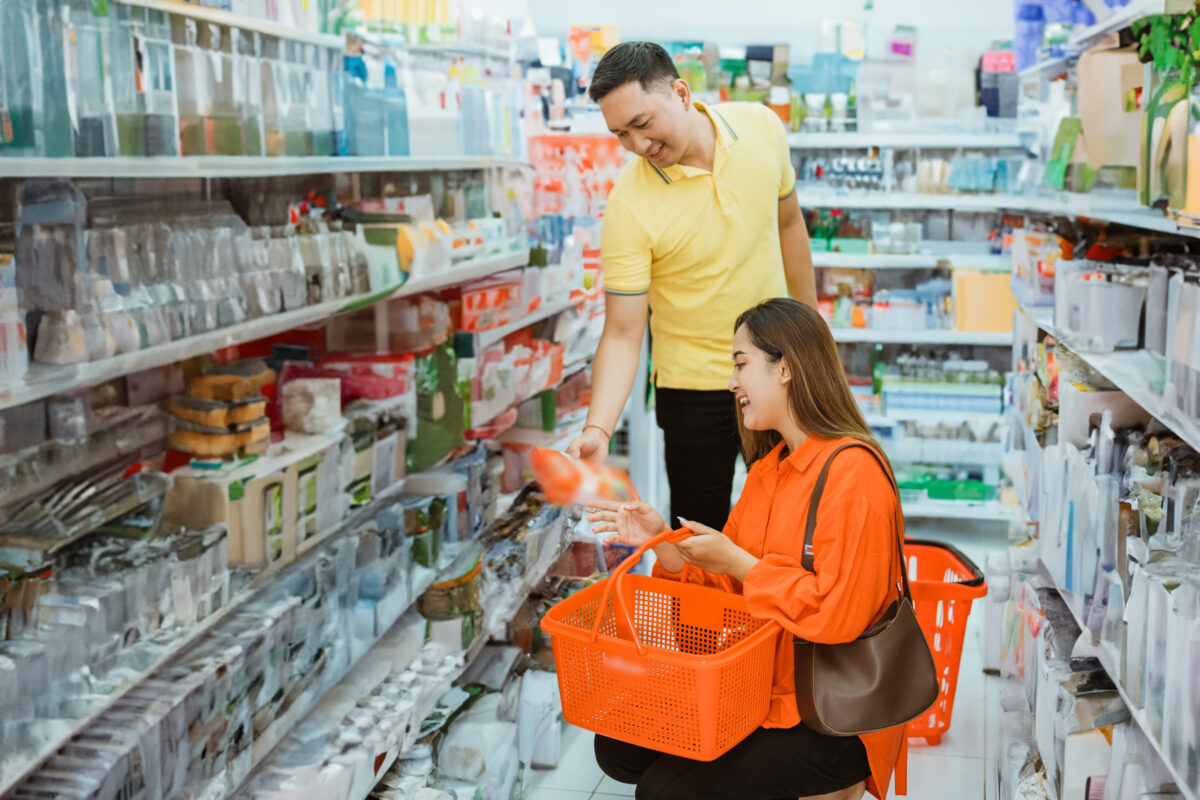
Younger shoppers often bounce between supermarkets, warehouse clubs, discount chains, and mass retailers, depending on price or convenience.
Boomers tend to show more loyalty.
Morning Consult research found baby boomers are more likely than the general population to say they stick with products and services they like. Earlier research from FMI also identified strong loyalty to primary grocery stores among boomer shoppers.
The divide remains visible today. FMI reported in 2026 that only 27% of boomers named a mass retailer as their primary grocery destination, compared with 42% of Gen Z and 44% of millennials.
For a younger shopper willing to visit three stores to save money or find a particular snack, returning to the same supermarket year after year may seem surprisingly old-school.
Choosing a Cashier When Self-Checkout Is Available
Self-checkout can mean leaving the store without waiting behind a full cart or making small talk with a cashier.
Plenty of older shoppers would still rather have an employee ring everything up.
A YouGov survey conducted in April 2026 found that 62% of Americans age 65 and older preferred cashier-assisted checkout when the cashier and self-checkout lines were equally long. Just 34% chose self-checkout.
Among adults ages 18 to 29, the pattern reversed. A majority, 52%, preferred self-checkout, while 26% chose a cashier.
For some younger shoppers, picking the staffed lane when a machine is available can look inefficient. For older customers, personal service may be part of what a grocery store is supposed to provide.
Paying Attention to Printed Coupons and Circulars
A millennial might open an app before buying cereal. A Gen Zer might search online for a promo code.
Some boomers are still paying attention to what arrives in the mailbox.
Vericast research published in 2022 found that 43% of surveyed baby boomers said coupons arriving by mail or in the newspaper were most influential when deciding to try a new store or product. Another 38% pointed to printed circulars delivered to their homes.
Digital bargain hunting is far from absent among older shoppers. FMI reported in 2024 that 57% of boomers used smartphones to look for deals.
Still, the continued usefulness of printed grocery advertising helps explain why those weekly supermarket circulars have not completely disappeared.
Building the Shopping List Over Several Days

Some younger consumers decide what they need shortly before leaving home or use an app to build a list on the fly.
Boomer shopping lists have traditionally involved more planning.
FMI research examining shopping-list habits found that boomers were more likely than millennials to build their lists throughout the week as products ran low.
The research is older, so it should not be treated as a description of every boomer today. But the habit fits a more planned grocery-shopping style: notice that the coffee is almost gone on Tuesday, write it down, and buy it during the regular shopping trip.
It is a different rhythm from deciding what to cook after seeing a recipe online minutes before heading to the store.
Related article: 7-common-grocery-items-you-might-be-overpaying-for/
Sticking With Familiar Brands
New packaging, influencer recommendations, and viral products can send younger customers searching through several stores.
Boomers are generally less interested in chasing the newest thing.
Morning Consult found that boomers were less likely than the broader population to say they were always looking for the latest trends and more likely to stick with products they already liked.
That tendency showed up in grocery products and other consumer categories.
To a younger shopper accustomed to constantly seeing new foods reviewed on TikTok or Instagram, buying the same mayonnaise, cereal, or coffee for years may seem unnecessarily rigid. For a loyal shopper, however, familiarity reduces the risk of wasting money on something disappointing.
Wanting to Inspect Produce Themselves
Ordering groceries online can turn a weekly chore into a few taps on a phone. Yet physical stores remain important to many consumers, especially when fresh food is involved.
FMI’s 2026 grocery research found that shoppers value being able to select products in stores personally. When asked what they would miss if they could no longer shop for groceries in person, 48% said they would miss selecting products.
The same report found that 69% of shoppers wanted to examine produce up close.
Older FMI research found particularly strong interest among boomers in high-quality fruits, vegetables and meats.
For shoppers who grew up choosing every tomato and checking every package of meat themselves, letting someone else select fresh food for an online order may be a hard habit to break.
Caring More About Price Than a Trendy Shopping Experience
A beautiful grocery store with prepared meals, specialty products, and a sleek shopping experience can be attractive, but boomers appear less willing than millennials to pay extra for those perks.
FMI reported in 2023 that 50% of millennials said they would pay more to shop at a more pleasant store. Only 16% of baby boomers said the same.
The research also found that 47% of millennials were willing to spend more to avoid visiting multiple stores.
Boomer shoppers appear more likely to judge value in traditional terms, including price, quantity, and product quality.
That can make minimalist supermarkets, sale hunting and price comparisons more appealing than paying a premium for atmosphere or convenience.
Using a Smartphone Selectively Instead of Constantly
The stereotype that boomers refuse to use technology doesn’t hold up well.
PowerReviews found in a 2023 grocery survey that boomers used phones in stores for several practical reasons. Among them, 58% used phones to find or redeem coupons, 35% checked competitor prices, 35% reviewed shopping lists, and 32% consulted product ratings or reviews.
At the same time, 2026 consumer research from RRD found that 52% of boomers rarely or never used smartphones while walking through store aisles.
That suggests a more selective approach to grocery technology. The phone may be a useful tool without becoming the center of the entire shopping experience.
Treating the Grocery Store as More Than a Pickup Point
For younger consumers, the ideal grocery trip may be the one that barely happens at all: order online, schedule pickup, and keep moving.
Traditional grocery shopping can serve a different purpose.
FMI’s 2026 research found that in-person shopping still carries social benefits, including connection and enjoyment. Twenty-two percent of shoppers said they would miss the human connection if they could no longer shop in stores.
For someone accustomed to staffed counters, familiar employees and a regular weekly shopping trip, grocery shopping can be more than simply acquiring food.
And that may be the biggest generational difference of all.
What looks slow or outdated from one perspective can look comfortable, reliable, and sensible from another. Younger shoppers may have apps, algorithms and delivery windows, but boomers have decades of experience deciding exactly how they want to shop.
Neither approach is necessarily better. They reveal how much an everyday trip to the grocery store has changed.
Other articles you may like:
– 11-grocery-store-items-from-the-1960s-that-vanished-from-the-shelves-can-you-remember-even-5/
– alarming-ways-rising-costs-are-shrinking-the-american-grocery-cart/
– 8-grocery-store-tricks-nutritionists-use-to-shop-smarter/