7 Subscriptions Hiding in Your Grocery Budget, and What Each Costs Now
You may know exactly what you spent on milk, eggs, meat, and snacks last week. But another part of your grocery budget may be quietly sitting outside the receipt: subscriptions.
Delivery memberships, warehouse clubs, and grocery add-ons can make shopping easier, but the membership fee usually comes separately from the food itself. That matters when Americans are already spending a sizable amount on groceries. Bureau of Labor Statistics data shows the average consumer unit spent $6,224 on food at home in 2024.
Subscriptions are also extremely common. A 2025 CNET/YouGov survey found that 80% of U.S. adults had paid for at least one subscription during the previous year. Subscribers reported spending about $90 a month across their subscriptions.
If your grocery spending seems a little higher than expected, these seven memberships are worth checking.
Walmart+ Can Add $12.95 a Month.
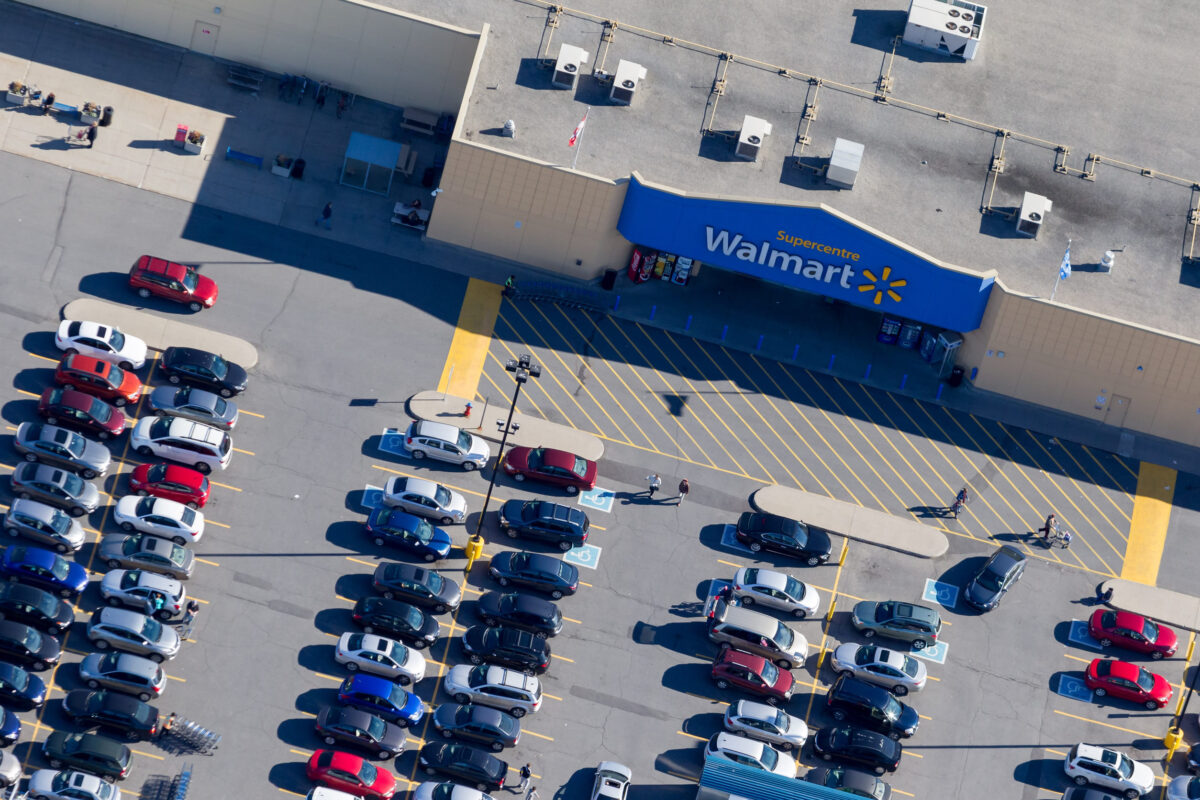
Walmart+ currently costs $12.95 a month or $98 a year, plus applicable tax. The membership includes eligible shipping without an order minimum and scheduled delivery from local stores when qualifying orders meet the $35 minimum.
The important word here is “membership.” That fee does not buy your groceries.
And depending on how you order, other costs may still pop up. Express delivery can carry a speed-related fee, and ordinary delivery tips are separate. Walmart also offers InHome as an additional upgrade costing $7 a month or $40 a year for Walmart+ members.
In other words, that grocery run can have a few layers.
Instacart+ costs $9.99 a Month.
Instacart+ is another subscription that can easily become part of the monthly food routine. It costs $9.99 a month or $99 a year.
Members can get $0 delivery fees on eligible grocery and retail orders of at least $10 per retailer, although different minimums apply in some cases. Costco orders, for example, have a $35 minimum.
But “$0 delivery” does not mean “no extra charges.” Service fees can remain, tips are separate, and priority or long-distance delivery charges may also apply.
That is why the total at checkout matters more than the words “free delivery.”
Costco Membership Starts at $65 a Year
Costco’s Gold Star membership costs $65 a year, and the Executive membership costs $130. The research doesn’t list a standard monthly billing option.
That annual payment is easy to forget because it does not appear every time you buy groceries.
Delivery can complicate the math even more. Costco Same-Day requires a $35 minimum, and the company says Same-Day item prices are higher than warehouse prices because service and delivery costs are built in.
So even if you love buying in bulk, it helps to separate the cost of the membership, the groceries, and the convenience of delivery.
Related: 8 Costco and Walmart Shopping Mistakes That Quietly Drain Your Wallet
Sam’s Club Now Starts at $60 a Year.

Sam’s Club charges $60 a year for Club membership and $120 for Plus. Those prices increased on May 1, 2026, when Club went from $50 to $60 and Plus went from $110 to $120.
Plus members can get free standard delivery on eligible orders of $50 or more. Orders below that level cost $8 for standard delivery, and express delivery costs $10 per order. Club delivery is listed at $12 per order.
If you still mentally budget using the old membership price, your annual grocery-related costs may already be $10 higher than you remember.
Kroger Boost Can Cost Up to $12.99 a Month.
Kroger offers two paid Boost plans.
Boost Essential costs $8.99 a month or $69 a year and focuses on qualifying next-day delivery. The higher Boost tier costs $12.99 a month or $99 a year and includes qualifying same-day delivery.
Both plans come with other benefits, including points and exclusive offers, but delivery still comes with conditions. The advertised order threshold is $35, and Boost express delivery costs $4.95 per order. Other fees, taxes, or tips can also apply.
There is another detail worth watching. Annual Essential includes six months of an eligible streaming service, but that service can become a separate automatically renewing paid subscription after the included period ends unless canceled.
That’s a subscription hiding inside another subscription.
DashPass costs $9.99 a Month.
DoorDash DashPass costs $9.99 a month or $96 a year. Although many people may associate DoorDash with restaurant delivery, DashPass can also apply to grocery, convenience, and retail orders at participating merchants.
Eligible orders can receive $0 delivery fees and reduced service fees.
Reduced is the keyword.
Service fees aren’t always eliminated, and taxes, tips, and other charges may remain. The required subtotal also varies by eligible merchant and is shown in the app.
If you signed up for takeout but now use it for groceries too, DashPass may have quietly become part of both budgets.
Amazon Grocery Delivery Can Be Another $9.99 a Month.
Amazon’s grocery-delivery subscription costs Prime members $9.99 a month or $99.99 a year. Registered EBT customers can qualify for a $4.99 monthly option without needing Prime.
The subscription covers qualifying deliveries from Whole Foods Market, Amazon Fresh, and participating local grocery retailers.
One important catch: this grocery subscription is separate from regular Prime membership. That means eligible Prime customers may pay for one subscription for Prime and another specifically for grocery delivery.
Amazon’s minimum order requirements can also vary by region, so shoppers should rely on the qualifying minimum shown for their location rather than assuming one nationwide number.
Related: Amazon Workers’ Reliance on Food Stamps Soars as the Company’s Profits Reach $78 Billion
Check the Subscription Before Blaming the Grocery Cart
None of these memberships are automatically a bad deal. If you use the delivery, rewards, or convenience often enough, a subscription may make sense for your household.
The problem comes when the monthly or annual charge disappears into the background.
So before cutting another snack off the grocery list, take five minutes to check your recurring payments. Your cart may not be the only thing eating into your grocery budget.