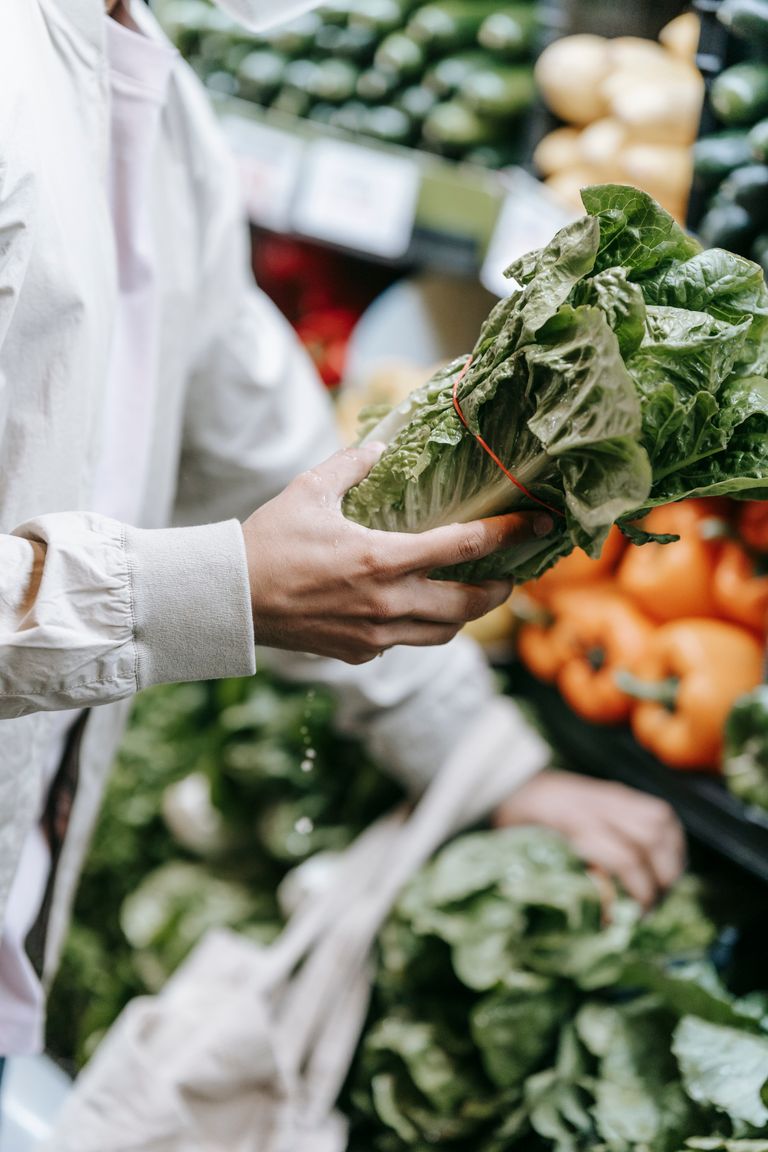
Target’s 2,000th Store Has a Food Section 30% Bigger Than Usual
Target’s milestone store makes one thing clear: groceries are becoming a much bigger part of the shopping experience.
Target’s 2,000th U.S. store opened in Fuquay-Varina, North Carolina, as part of the retailer’s 2026 expansion. The 148,000-square-foot location is Target’s latest food-forward prototype, with a food and beverage department 30% larger than the chain average.
The Grocery Section Is Getting Serious
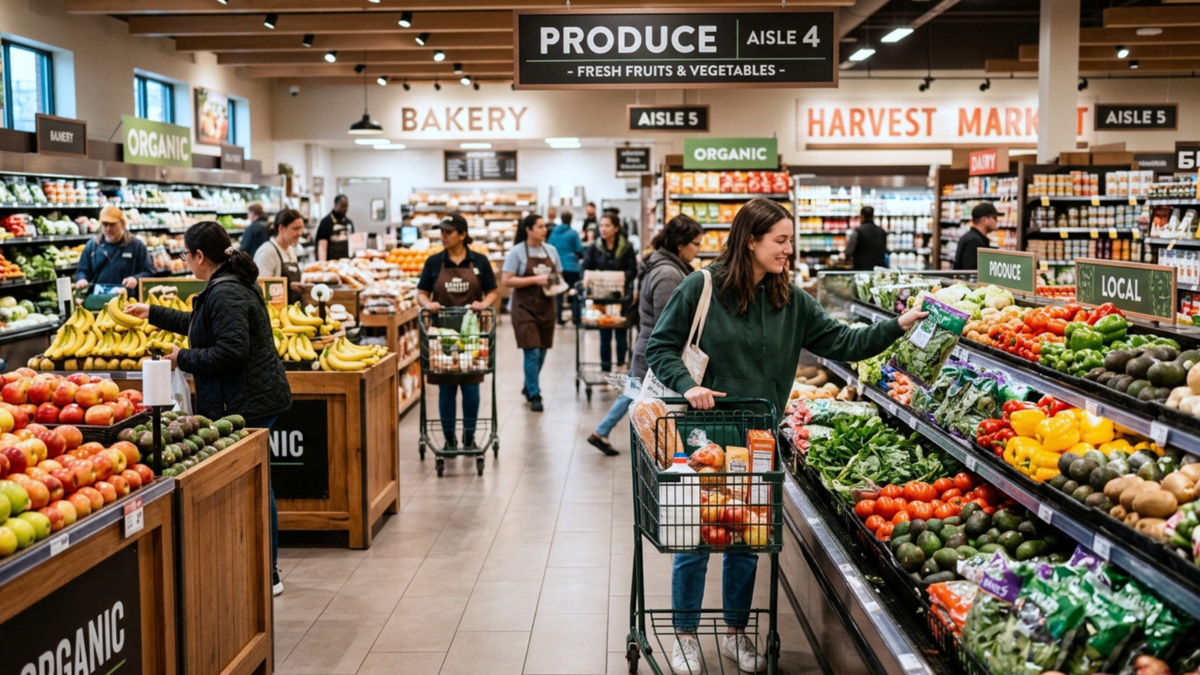
Target clearly wants shoppers to think about food differently when they walk through its doors.
The expanded department gives the store more room for food and beverages, including Target-owned brands and national brands. It is a noticeable change for a retailer better known for combining clothing, home goods, beauty, and seasonal merchandise with everyday essentials.
That could be especially appealing to shoppers who enjoy discovering better everyday food choices while they are already shopping for everything else.
This Target Is Bigger Than Most
The sheer size of the milestone store gives Target plenty of room to experiment with its next generation of stores.
At 148,000 square feet, the Fuquay-Varina location is larger than many conventional Target stores. It also includes a CVS Pharmacy, Starbucks Café, and Disney Shop, making the location feel more like a destination than a quick stop for one or two products.
The new store’s food-forward design is particularly interesting because Target is giving food significantly more physical space rather than simply adding a few more products to existing shelves.
Why Put So Much Space Into Food?
Groceries have one enormous advantage over many other products: shoppers need them again and again.
A customer might buy a new lamp, shirt, or piece of furniture only occasionally, but breakfast foods, snacks, and dinner ingredients can bring that same customer back every week. Giving food more space therefore gives Target another opportunity to become part of a shopper’s routine.
The strategy also fits Target’s reputation for discovery. Shoppers may enter looking for something ordinary and find a seasonal snack, a new brand, or an interesting ingredient they never planned to buy.
Related: 11 Grocery Store Items From the 1960s That Vanished From the Shelves. Can You Remember Even 5?
It Still Feels Like Target
The goal is not to turn Target into another traditional supermarket with a red bullseye outside.
The expanded food department sits alongside the departments that make Target recognizable. Someone can pick up groceries, browse clothing, check out home décor, grab a coffee, and collect household essentials during the same visit.
That mixture is what makes the concept interesting. Target is not asking shoppers to choose between grocery convenience and its broader shopping experience—it is trying to combine the two.
Convenience Is Built Into the Design
A bigger store would be far less useful if shoppers had to spend twice as long getting what they need.
The Fuquay-Varina location includes Drive Up with 24 pickup lanes, Order Pickup, and same-day delivery, while next-day delivery is also available across the Raleigh market.
That gives shoppers a choice. You can wander through the expanded food department when you have time, or order ahead when you need groceries and want to get home.
For anyone trying to make simple daily routines more convenient, that flexibility could be one of the store’s biggest advantages.
The 2,000th Store Could Be a Preview of What’s Next
This milestone is less about celebrating a number and more about showing what Target thinks its future stores should look like.
Target planned more than 30 new stores in 2026, along with more than 130 remodels, as part of a $5 billion investment program. The company also has a longer-term goal of opening more than 300 new locations by 2035.
That makes the Fuquay-Varina location worth watching. If shoppers respond well to the larger food department, similar ideas could appear in more Target stores around the country.
Target Wants You to Stay a Little Longer
The clever part of the strategy is that the larger food section does not have to feel like a separate grocery store.
You can walk in for cereal and leave with dinner, household supplies, and something completely unexpected. That mixture of convenience and discovery has always been part of Target’s appeal, and giving food more space could make the weekly Target run even more useful.
The retailer’s milestone store suggests Target’s future may involve less separation between grocery shopping and everything else. Instead, one trip could cover more of what people need while still leaving room for a little browsing.
And if your Target trips already run longer than planned, a food section 30% bigger than usual probably will not make that problem any better.
Would a 30% larger food section make you choose Target for your regular grocery shopping, or would your usual supermarket still win?